Mariama Hamani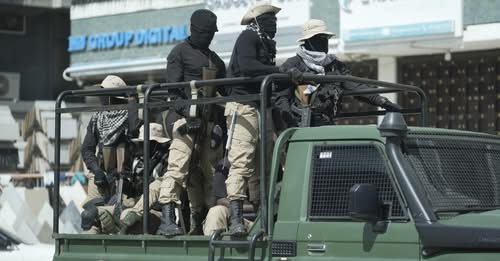
Government Commission Releases Official Death Toll Amid Criticism
Six months after the October 2025 presidential election, Tanzania’s state-appointed inquiry commission broke its silence in Dar es Salaam, revealing a grim toll of 518 lives lost during postelection unrest. The announcement, though intended to close a dark chapter, has instead intensified tensions between authorities and critics who dismiss the findings as an undercount.
A government-appointed commission delivers its controversial verdict
The findings, delivered in a charged atmosphere, attribute the fatalities to clashes between demonstrators and security forces, as well as intercommunal violence. While this marks the first official acknowledgment of the tragedy’s scale, officials attribute the majority of deaths to “uncontrolled unrest” during unauthorized protests. The report also implicates certain opinion leaders in stoking tensions.
Opposition and rights groups challenge the official narrative
The government’s figure of 518 deaths has drawn immediate skepticism. Critics argue the true toll is far higher, alleging systemic repression rather than isolated incidents.
Opposition parties claim the actual death count exceeds thousands, highlighting forced disappearances that the report fails to acknowledge.
Human rights organizations, including international watchdogs, contend that satellite imagery and survivor testimonies reveal a premeditated crackdown, contradicting the government’s narrative of isolated misconduct.
Is the report a step toward closure or a cover-up?
The discrepancy between official and independent estimates has ignited a national debate over the state’s handling of the crisis. By presenting a reduced death toll, analysts suggest the government may be attempting to balance international pressure with domestic accountability—acknowledging some responsibility while avoiding potential human rights prosecutions.
“This report is not about truth—it’s about rehabilitating the regime’s image abroad,” asserted a spokesperson for a local civil society group, speaking on condition of anonymity.
Will reconciliation follow—or further division?
As the commission’s findings take center stage, calls for an independent international inquiry grow louder. Analysts warn that without transparency on the true death toll and those responsible, the wounds of 2025 will continue to fester in Tanzania’s political landscape. The nation now faces a fractured reality where neither side accepts the other’s version of events.



 Boureima Amadou