Mariama Hamani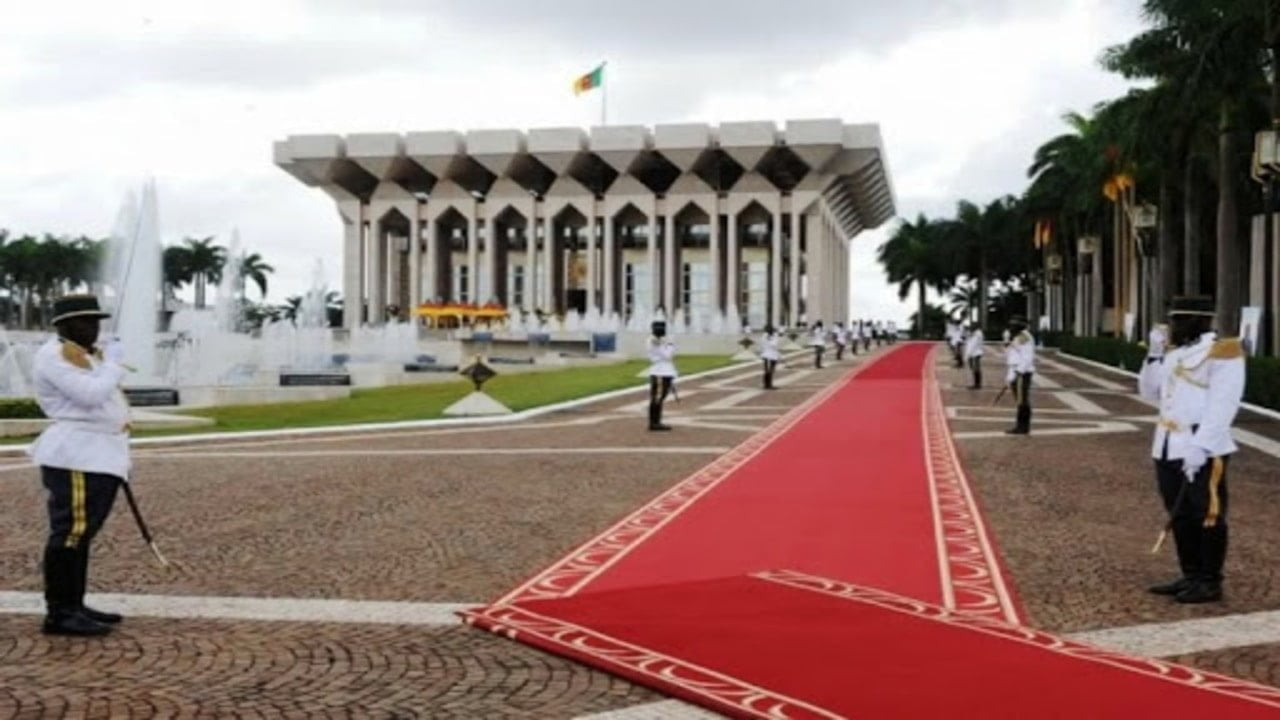
Political party calls for transparency as president’s prolonged absence raises concerns
Since departing Yaoundé on a private visit to Europe in early June 2026, President Paul Biya remains absent from the Palais de l’Unité. Official statements from the Civil Cabinet have provided no details beyond confirming the president’s departure and accompanying delegation. However, multiple reports indicate that the head of state traveled to Switzerland for undisclosed reasons. More than 40 days later, there has been no public update on his whereabouts or condition, leaving both media outlets and citizens struggling to verify information.
In the absence of official communication, growing concerns have emerged among the population. Even members of the Union démocratique du Cameroun (UDC)—including party leader Patricia Tomaino Ndam Njoya—have openly questioned what they describe as an unexplained prolonged absence at the highest level of government. The silence surrounding the president’s extended stay has intensified debates about institutional stability and the need for clear mechanisms governing presidential absences.
UDC proposes constitutional safeguards to prevent institutional paralysis
The UDC has stepped forward with a series of recommendations aimed at strengthening the country’s governance framework. At the heart of their concerns is the necessity to formalize procedures for presidential absences, whether temporary or prolonged. The party emphasizes the importance of constitutional compliance, particularly following the 2026 constitutional revision that introduced the position of vice-president—a role that remains unfilled.
Among the key proposals put forward by the UDC are:
- Establishing precise timelines and rules to regulate any extended absence of the head of state, ensuring transparency in decision-making processes;
- Requiring regular updates to the nation and Parliament to maintain public trust and institutional continuity;
- Empowering the president to delegate specific functions formally in cases where continuity is critical, with published decrees to avoid ambiguity;
- Implementing a neutral and transparent process to assess temporary or permanent incapacitation, preventing any risk of institutional gridlock;
- Ensuring that institutions provide clear public reassurances regarding the effective continuity of the state during the president’s absence.
The timing of this prolonged absence has only heightened scrutiny, particularly as it coincides with the aftermath of a contested presidential election and the beginning of President Biya’s eighth term. The president had pledged to form a new government to implement his policy agenda, yet more than six months later, the cabinet reshuffle has yet to materialize. Additionally, the 2026 constitutional amendment mandating the appointment of a vice-president remains unimplemented.
In this climate of uncertainty, incidents such as the circulation of unverified presidential decrees at the Cameroon Radio Television (CRTV) have underscored the risks of institutional instability. As mid-July approaches, attention is also turning toward the upcoming legislative and municipal elections, a pivotal moment that has already prompted internal realignments within political parties—including the ruling party itself.
Meanwhile, groups such as the Brigade Anti Sardinard have staged symbolic demonstrations outside the president’s official residence, demanding his immediate return. These public actions reflect the mounting tension and uncertainty gripping the nation as citizens and institutions grapple with the prolonged absence of their leader.

 Boureima Amadou