Mariama Hamani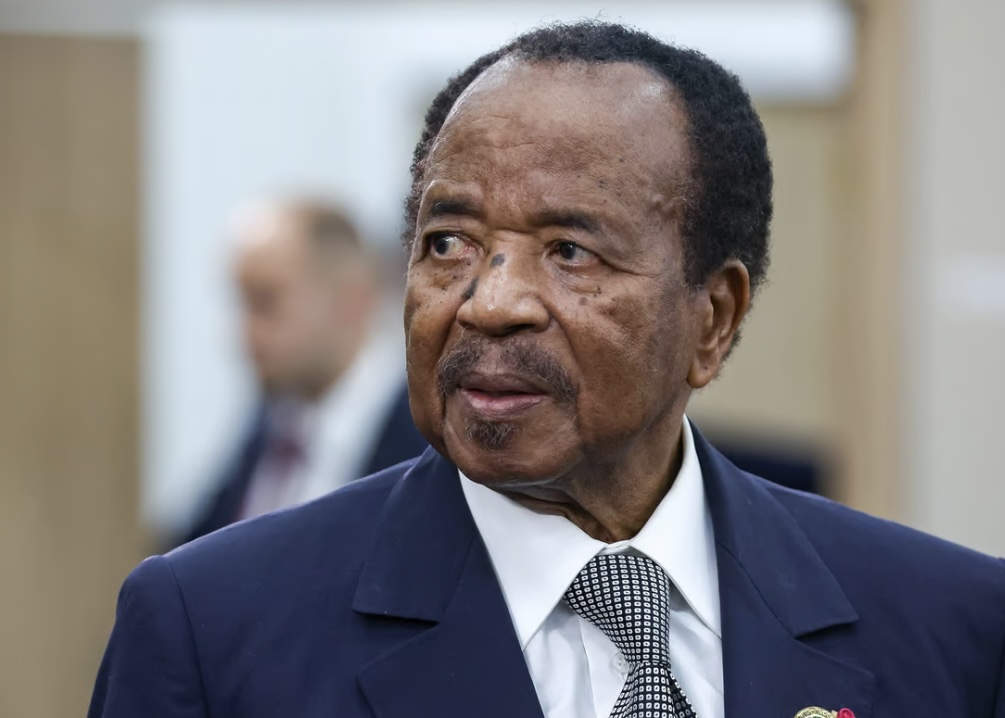
Cameroon’s prolonged presidential absence fuels criticism and uncertainty
The Cameroon People’s Democratic Movement (CPDM) convened an urgent meeting of its top officials this week, marking 45 days since President Paul Biya departed for a private visit to Europe. No official announcement has been made regarding his expected return, leaving the nation in a state of growing speculation. While the ruling party insists state institutions are functioning normally, opposition leaders are demanding transparency about presidential powers and the contingency measures in place for extended absences.
- Politics

The CPDM’s Secretary-General, Jean Nkuete, convened what was described as a ‘critical working session’ via an official communiqué released midweek. The statement provided no details about the agenda or the reasons behind the gathering. President Biya, now 93, left Cameroon on June 7 for what was initially described by his office as a ‘brief private trip to Europe.’ Since then, no public update has confirmed a return date.
The prolonged silence surrounding the president’s whereabouts has fueled persistent rumors and debates. The CPDM has attempted to quell concerns, with party propaganda chief Christophe Mien Zok publishing an editorial on July 15 in the state-run newspaper L’Action. In the piece, he reassured citizens that ‘the government remains fully operational’ and dismissed claims of an ‘autopilot presidency.’ State media channels have continued to broadcast messages attributed to President Biya, including greetings sent to French President Emmanuel Macron for Bastille Day and to the President of Montenegro, though no new public activities have been reported since his departure.
Opposition voices demand accountability
The president’s extended absence has intensified calls for clarification from opposition figures. Member of Parliament Jean-Michel Nintcheu has urged the Constitutional Council to declare a vacancy in the presidency. Meanwhile, the Cameroon Democratic Union (CDU) has adopted a more cautious stance, avoiding personal speculation about President Biya’s health but emphasizing that national stability cannot rely on ambiguity. In a statement issued on July 18, the party acknowledged that a prolonged absence abroad does not automatically constitute a vacancy but stressed the need for transparency regarding the actual exercise of presidential duties and the legal frameworks for temporary incapacitation.
Constitutional gaps exposed by prolonged absence
Cameroon’s legal framework lacks clear provisions regarding maximum durations for presidential absences from national territory. Constitutional experts argue this gap warrants urgent legislative review, though no statute specifies when the Constitutional Council should intervene. The CDU has also highlighted another concern: the vice-presidency position, reintroduced during the April constitutional reforms, remains unfilled. The party advocates for legal reforms to clarify procedures during extended presidential absences. President Biya, in power since 1982, has previously taken trips to Europe, but none have matched the current duration in terms of official silence about his return.


 Boureima Amadou