Boureima Amadou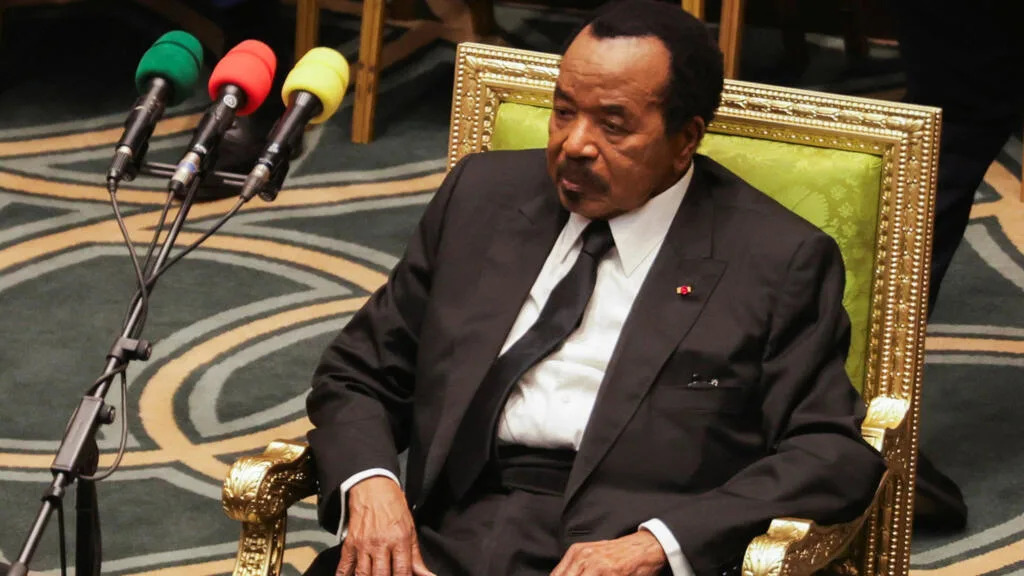
Cameroun’s ruling party dismisses concerns over president’s prolonged absence
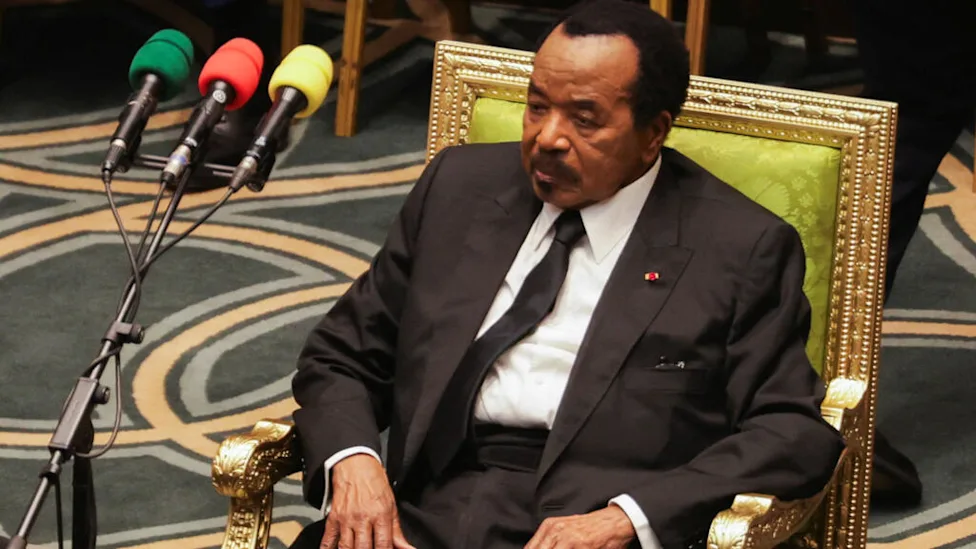
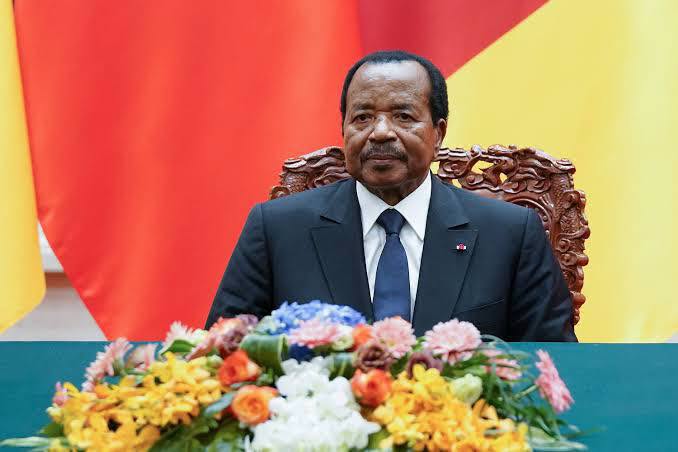
Jacques Fame Ndongo, Cameroon’s Minister of State, has firmly rejected claims that President Paul Biya’s extended absence from the country constitutes a power vacuum. He dismissed such assertions as legal, political, and logical barbarism, emphasizing that no law in Cameroon stipulates a maximum duration for a head of state’s absence abroad.
The minister argued that attempting to apply a non-existent constitutional provision to President Biya would be akin to wandering through a legal swamp, where reason and law dissolve into vagueness. He added that the Head of State, in power since 1982, remains actively engaged in governance, meticulously reviewing documents either in person or through recognized electronic means.
“This is not a stay—it’s a de facto exile”
The Movement for the Renaissance of Cameroon (MRC), led by opposition figure Maurice Kamto, swiftly responded. Mamadou Mota, the party’s vice-president, questioned the threshold at which the supreme magistracy’s exercise becomes a mere illusion. Forty-five days away from national territory do not constitute a stay—they amount to a de facto exile, he argued.
The MRC derided the notion of Cameroon becoming the world’s first nation governed through clandestine telecommuting, mocking the idea of a President Biya overseeing state affairs remotely via electronic means.

 Mariama Hamani