Mariama Hamani
Critical questions raised over three-month FSNC suspension
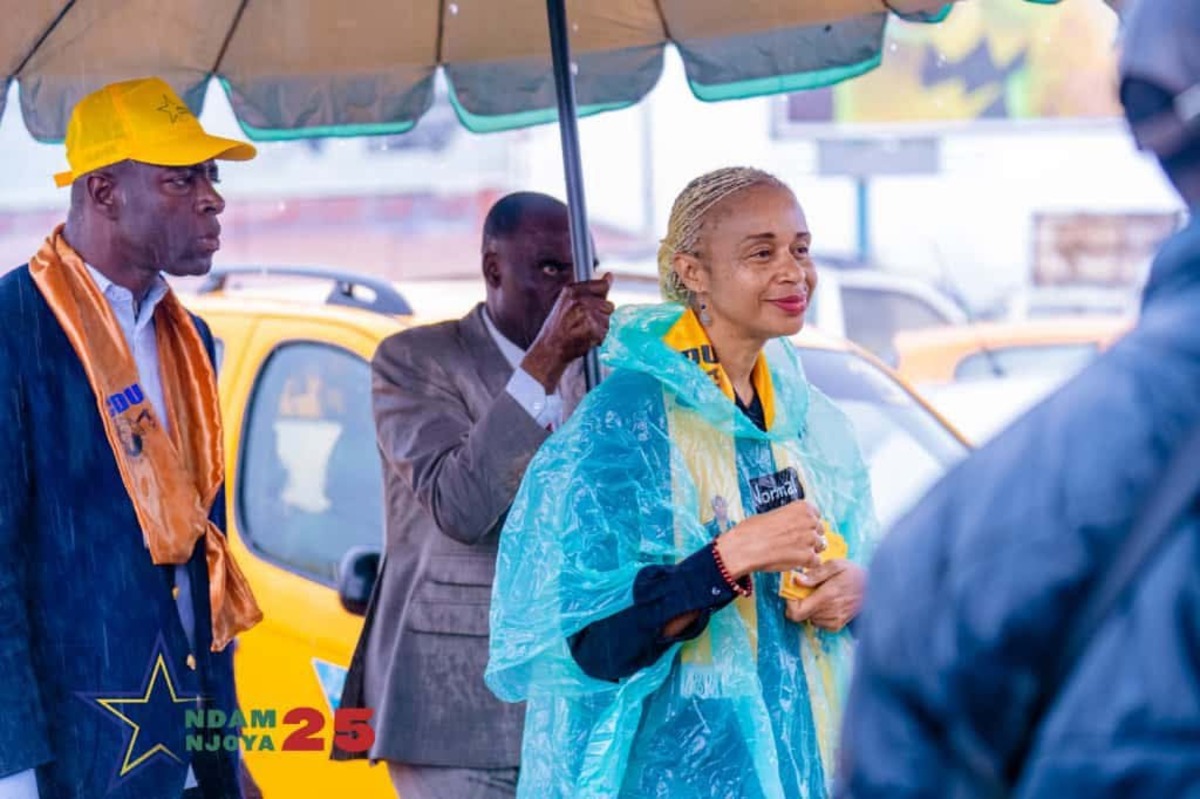
The Union for Democracy in Cameroon (UDC) has sharply questioned the government’s decision to suspend the Front for National Salvation of Cameroon (FSNC) for three months. Led by prominent figure Hermine Patricia Tomaino Ndam Njoya, the UDC’s statement highlights deep reservations about the move announced by Territorial Administration Minister Paul Atanga Nji. The suspension of Issa Tchiroma Bakary’s party has left many questioning whether this action is a precautionary step or an additional measure beyond existing legal rulings.
Government cites national security threats as justification
According to the minister’s order, the FSNC is accused of inciting insurrection, threatening national unity, and undermining sovereignty. Specific allegations include calls for violence that led to public and private property destruction, severe public disorder, and the foreign residence of a party leader. These accusations have fueled public debate over the government’s approach to maintaining national stability.
Opposition party demands clarity on legal and political implications
The UDC’s statement outlines key concerns regarding the suspension’s alignment with broader justice processes. Questions raised include:
- Legal basis: Is the suspension legally justified, or does it represent an overreach by executive authorities?
- Political fallout: How will this decision impact Cameroon’s political climate and opposition participation?
- Proportionality: Does the three-month suspension proportionally address the alleged infractions without stifling democratic freedoms?
Broader implications for Cameroon’s democratic landscape
This suspension marks a significant moment in Cameroon’s political discourse, raising concerns about the balance between security measures and democratic principles. Observers are closely monitoring whether this action will serve as a turning point in how national authorities address political dissent or set a precedent for future restrictions on opposition activities.