Mariama Hamani
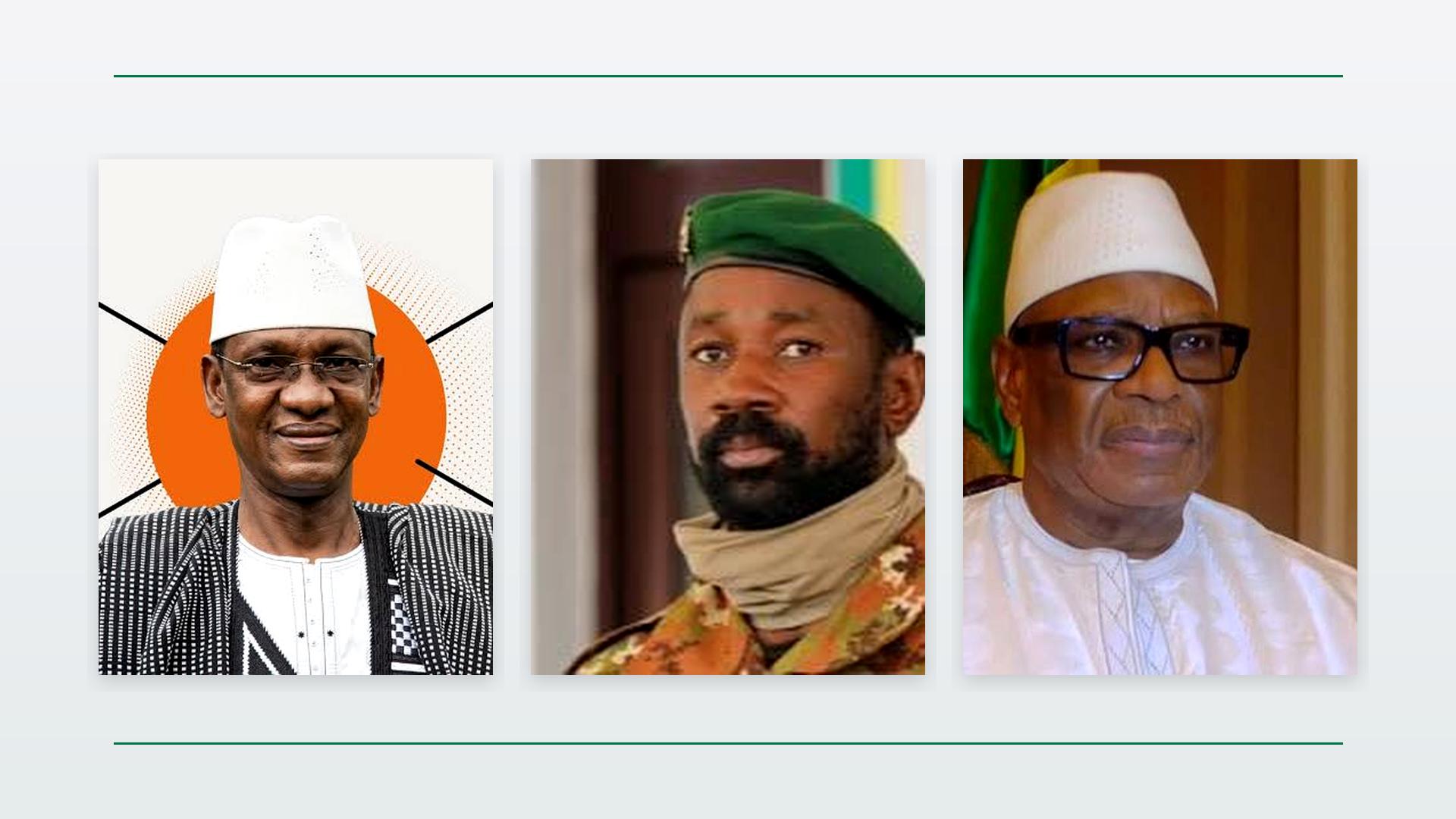
The once-dominant voices of Mali’s political landscape have vanished. Over three decades of multiparty democracy, these figures shaped governance, dominated headlines, and controlled the levers of power. Yet since General Assimi Goïta’s military junta solidified its grip, the old political elite hasn’t merely faded into the background—it has been systematically dismantled, silenced, and erased from public life.
From dominance to displacement: the junta’s three-pronged offensive
The collapse of Mali’s traditional political class wasn’t accidental. It was orchestrated through a calculated campaign that left few options for survival. The junta’s strategy hinged on three pillars, each designed to neutralize opposition, dismantle institutions, and consolidate absolute control:
- Judicial repression as a weapon: High-profile politicians, from former heads of state to influential party leaders, now face relentless legal persecution. Charges ranging from “undermining state security” to “financial misconduct” serve as pretexts for detention without trial. The case of former Prime Minister Choguel Maïga—once a key architect of the regime’s ideology—now languishing in provisional detention—exemplifies how even loyalists aren’t spared when the junta tightens its grip.
- Forced exile as a choice: For those who escaped imprisonment, exile became the only path to safety. From Ivory Coast to Senegal and France, dissidents maintain a fragile political existence, their influence gutted by a media landscape under Bamako’s iron-fisted control. Without access to national platforms, their voices are reduced to whispers.
- Self-censorship as survival: Those who remain in Mali operate under an unspoken but suffocating rule: speak only if it pleases the regime. The suspension of political parties, dissolution of civil society groups, and relentless propaganda have turned criticism into an act of treason. The smallest dissent is swiftly labeled as collaboration with “destabilizing forces.”
From scapegoats to spectators: how the junta rewrote the rules
The military takeover didn’t occur in a vacuum. It capitalized on widespread public frustration with three decades of perceived corruption, elite infighting, and abject failure to address the country’s deepening security crisis. By positioning the traditional political class as the sole architect of Mali’s collapse, Goïta’s junta provided a convenient narrative—one that justified its ascent and legitimized its iron-fisted rule.
Yet what began as a populist purge quickly evolved into an institutional coup. Elections remain indefinitely postponed. Democratic institutions have been sidelined in favor of tailor-made transitional bodies designed to rubber-stamp the junta’s agenda. Parties that once dictated policy are now reduced to spectators in a national rebirth scripted entirely by the military.
The high cost of an empty political stage
The eradication of Mali’s political old guard has left a gaping void. While the junta may enjoy short-term stability, the absence of structured opposition carries grave risks. Without a robust political arena to mediate competing interests, the regime risks entrenching itself in a perilous cycle of isolation. Economic woes, security threats, and social unrest persist—yet there’s no forum for debate, no mechanism for compromise, and no institutional memory to guide recovery.
By silencing the voices of the past, Bamako may have extinguished immediate dissent. But in doing so, it has also strangled the possibility of a democratic future. The junta’s iron grip risks transforming Mali into a nation led by urgency rather than vision—a country where power is preserved through repression, not progress.