Mariama Hamani
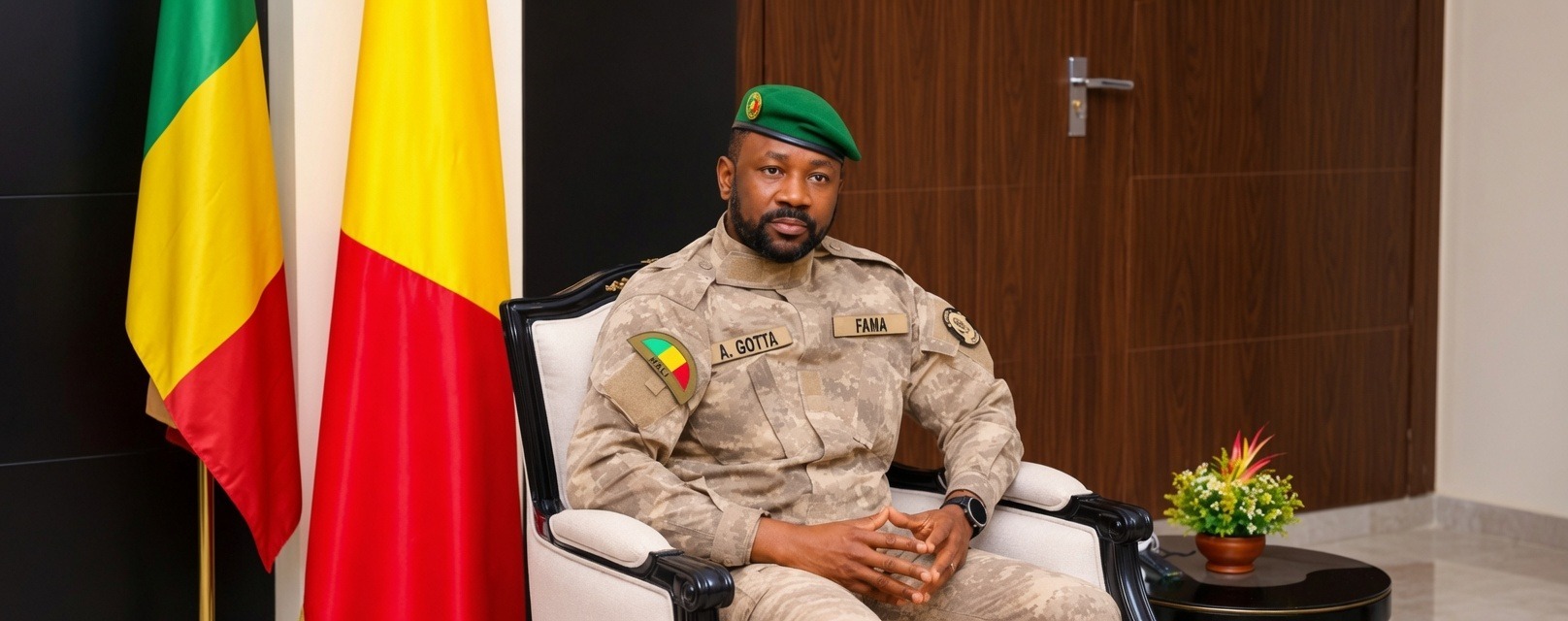
The promise of Mali’s military-led transition was clear: reclaim lost ground. Yet beneath the triumphant communiqués and the rhetoric of restored sovereignty lies a grim reality. In their relentless pursuit of armed groups, the Malian Armed Forces (FAMa) and their Russian-backed Africa Corps allies are systematically violating international conventions, turning the war on terror into an everyday nightmare for civilian populations.
When military doctrine clashes with international law
The Mali of 1965 already committed to the Geneva Conventions. By 1989, the country ratified additional protocols safeguarding civilians during non-international armed conflicts. Theoretically, the rules were set: distinguish civilians from combatants, ban degrading treatment, and protect detainees. Past training manuals even made human rights education mandatory in barracks. But today, the gap between written orders and battlefield conduct has widened into a chasm.
What were once isolated incidents are now standard practice. Brutality has replaced strategy, and the protection of civilians has become an afterthought.
Documented atrocities paint a damning picture
The evidence is damning. Investigations reveal a pattern of abuses across central and northern Mali: summary executions, systematic looting, and the destruction of entire villages. Human rights organizations have documented dozens of arbitrary killings, torture through methods like waterboarding and electric shocks, and enforced disappearances. These crimes are not isolated—they are part of a coordinated approach that blurs the line between counterterrorism and state terror.
Local communities, particularly the Fulani, bear the brunt of this violence. Trapped between the brutality of jihadist factions and the state’s indiscriminate crackdown, families face daily threats to their survival.
The exodus of oversight and the rise of impunity
The departure of the UN peacekeeping mission (MINUSMA) in late 2023 was not just a political maneuver—it was a deliberate curtain drawn over war crimes. Without international monitors on the ground, the junta gained carte blanche to escalate abuses. Reports from humanitarian groups indicate a sharp spike in documented violations within months of the withdrawal, confirming that oversight was the only deterrent keeping atrocities in check.
No justice, no accountability: the collapse of legal recourse
The path to justice has vanished. With the International Criminal Court’s withdrawal looming and Mali’s judicial system under military control, avenues for redress have evaporated. Regional bodies offer little hope: the African Union delivers muted statements, while ECOWAS focuses narrowly on constitutional order, leaving tactical decisions in Bamako unchallenged.
A strategy of terror that threatens state legitimacy
The junta’s approach is self-defeating. Rather than crushing insurgency, its reliance on terror fuels recruitment into armed groups. Every civilian casualty deepens resentment, undermines trust in the state, and strengthens jihadist propaganda. By sacrificing human rights on the altar of control, Mali risks forfeiting its own legitimacy—not only in the eyes of its people, but in the eyes of the world.