Mariama Hamani
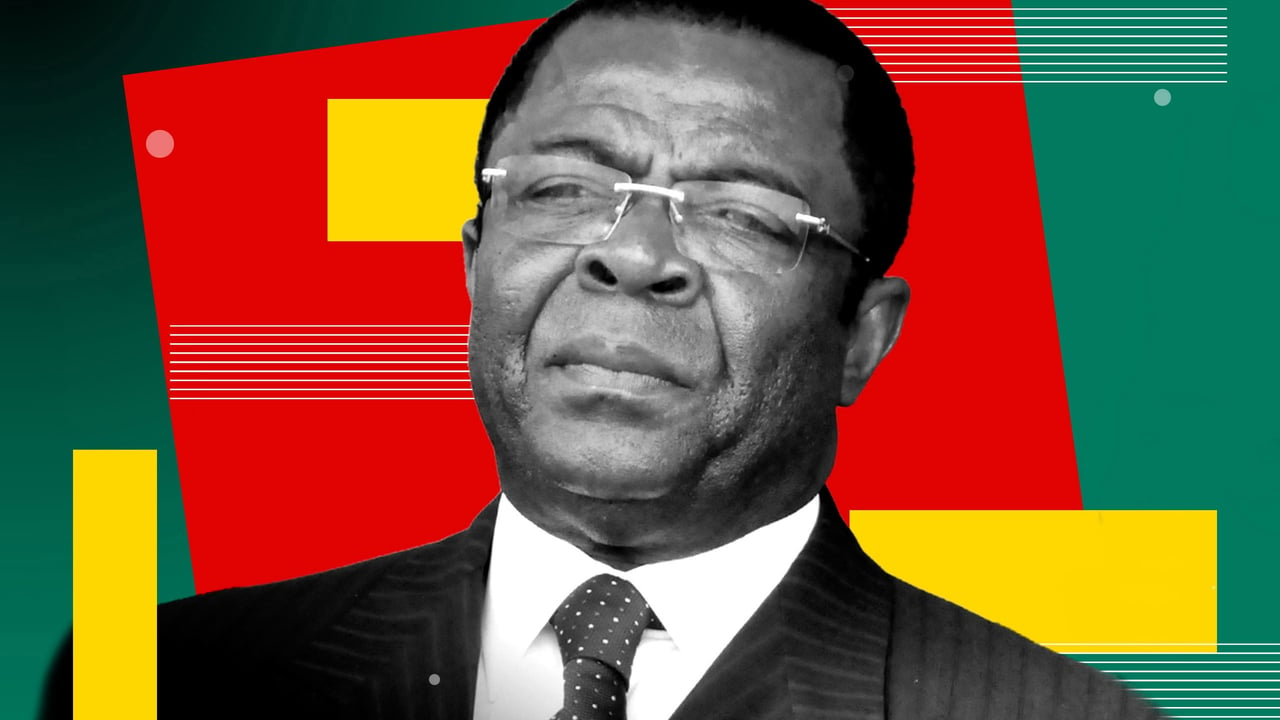
Edgar Alain Mebe Ngo’o once stood at the pinnacle of Cameroon’s security apparatus, a man whose influence shaped national defense policies for over a decade. Today, his name is synonymous with political downfall—a stark reminder of how quickly fortunes can reverse in the corridors of power.
The trajectory of Mebe Ngo’o‘s career mirrors the rise and fall of many who dared to challenge the entrenched power structures in Cameroon. Once a trusted figure within the regime of President Paul Biya, he rose through the ranks as a sécurocrate—a powerful security technocrat who wielded significant influence over state security matters. His portfolio expanded as he became a key architect of Cameroon’s military and intelligence strategies, earning both admiration and criticism along the way.
From trusted insider to political exile
Mebe Ngo’o’s downfall was as swift as his ascent. Once considered untouchable, he found himself on the wrong side of a political system that tolerates no rivals. His dismissal from government marked a turning point in Cameroon’s political landscape, signaling a shift in power dynamics that continues to reverberate across the nation.
The circumstances surrounding his removal remain shrouded in ambiguity. Official statements cited administrative restructuring, but insiders suggest deeper political maneuvering was at play. What is certain is that his departure sent shockwaves through the security establishment, where he had cultivated a loyal following among military and intelligence officers.
The legacy of Cameroon’s power struggles
Mebe Ngo’o’s story is not unique. Since Paul Biya assumed power in 1982, Cameroon has witnessed a revolving door of high-profile officials who rose to prominence only to be cast aside. Some, like Mebe Ngo’o, fell out of favor after challenging the president’s authority. Others were sidelined for perceived disloyalty or simply because their influence grew too great to be contained.
The pattern reveals a political system where loyalty is prized above all else. President Biya’s long tenure has seen him navigate a delicate balance between rewarding loyalty and eliminating potential threats. The result is a political landscape where few figures manage to maintain their standing indefinitely.
The fall of Mebe Ngo’o serves as a cautionary tale for those who seek to wield power in Cameroon. His story underscores the fragility of political alliances in a system where power is concentrated in the hands of a few. For a nation grappling with internal challenges and external pressures, his downfall highlights the need for stability and reform in governance.
Unanswered questions linger
While Mebe Ngo’o’s removal has been officially documented, many questions remain unanswered. What were the exact reasons behind his dismissal? Did he pose a genuine threat to the regime, or was his fall orchestrated by rivals within the establishment? The lack of transparency has fueled speculation, with some suggesting that his removal was part of a broader purge within the security sector.
What is clear is that Mebe Ngo’o’s departure has left a void in Cameroon’s security apparatus. His successor now faces the challenge of maintaining the delicate balance of power while navigating the complex web of military and political alliances that define Cameroon’s governance.
For the people of Cameroon, his downfall is a stark reminder of the unpredictable nature of politics in a nation where power is both a prize and a peril.

 Boureima Amadou