Mariama Hamani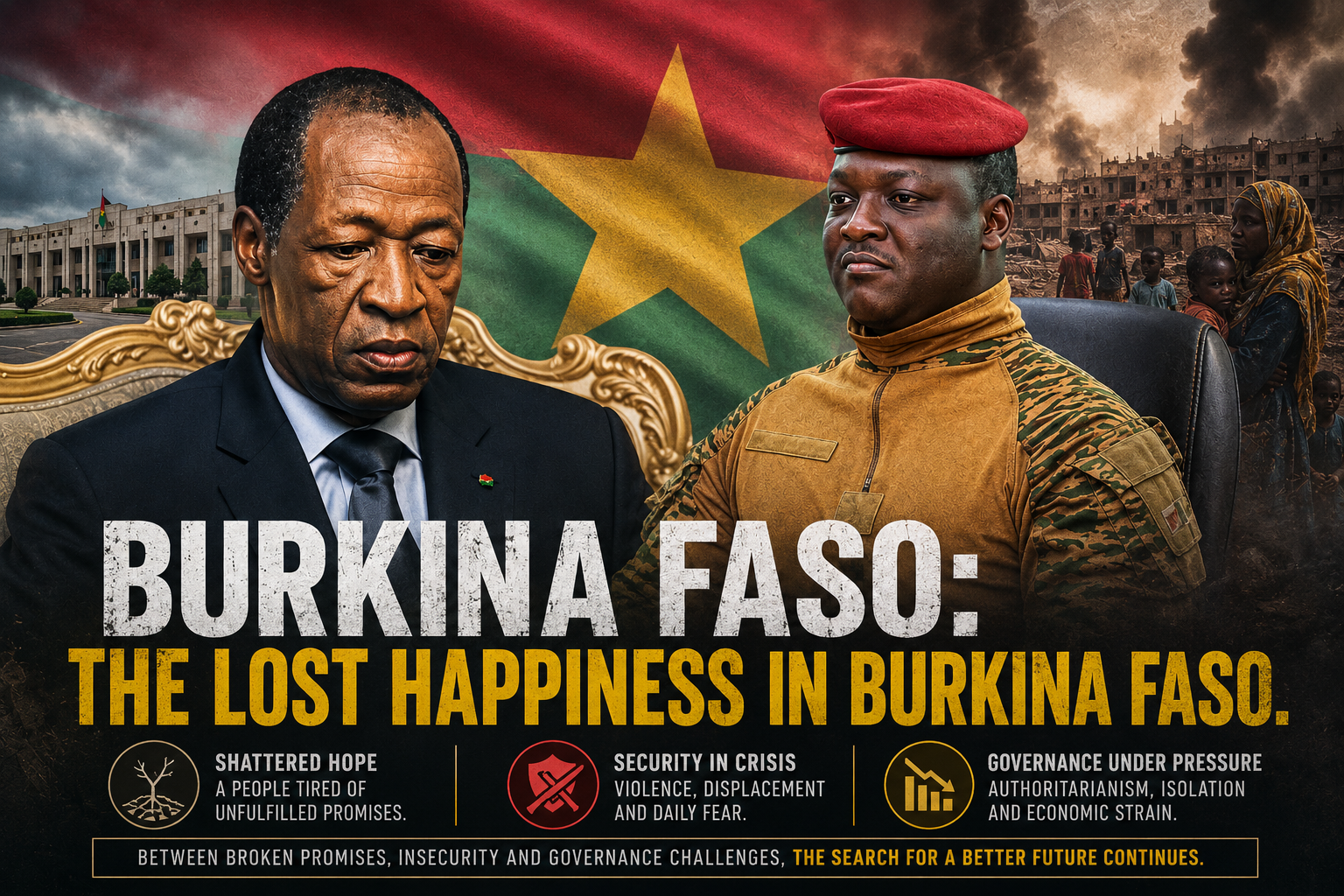
The Burkina Faso of yesterday was known more for its stability than for the crises that now dominate headlines. Though his rule was far from flawless, Blaise Compaoré faced constant criticism for consolidating power, restricting political freedoms, and stifling democratic transitions during his 27-year tenure. International observers and domestic opponents alike condemned his governance, yet one undeniable fact persisted: life under his leadership was, at least, predictable.
From stability to uncertainty: contrasting eras
Before the Sahel’s descent into chaos, Burkina Faso operated without the looming threat of armed attacks. Communities moved freely across regions, farmers tended their fields, traders supplied markets without fear, and families traveled without dreading the journey. Terrorism, which would later reshape the region, had not yet plunged the country into the depths of a security crisis.
This is not to romanticize Compaoré’s regime. His government was widely criticized for suppressing dissent and limiting political alternatives. Yet, despite its flaws, it fulfilled a fundamental state duty: ensuring basic security for its people. Without safety, all other achievements—policy reforms, economic progress, or democratic ideals—lose their value in the eyes of those who need protection most.
Traoré’s promises unmet: a nation still searching for security
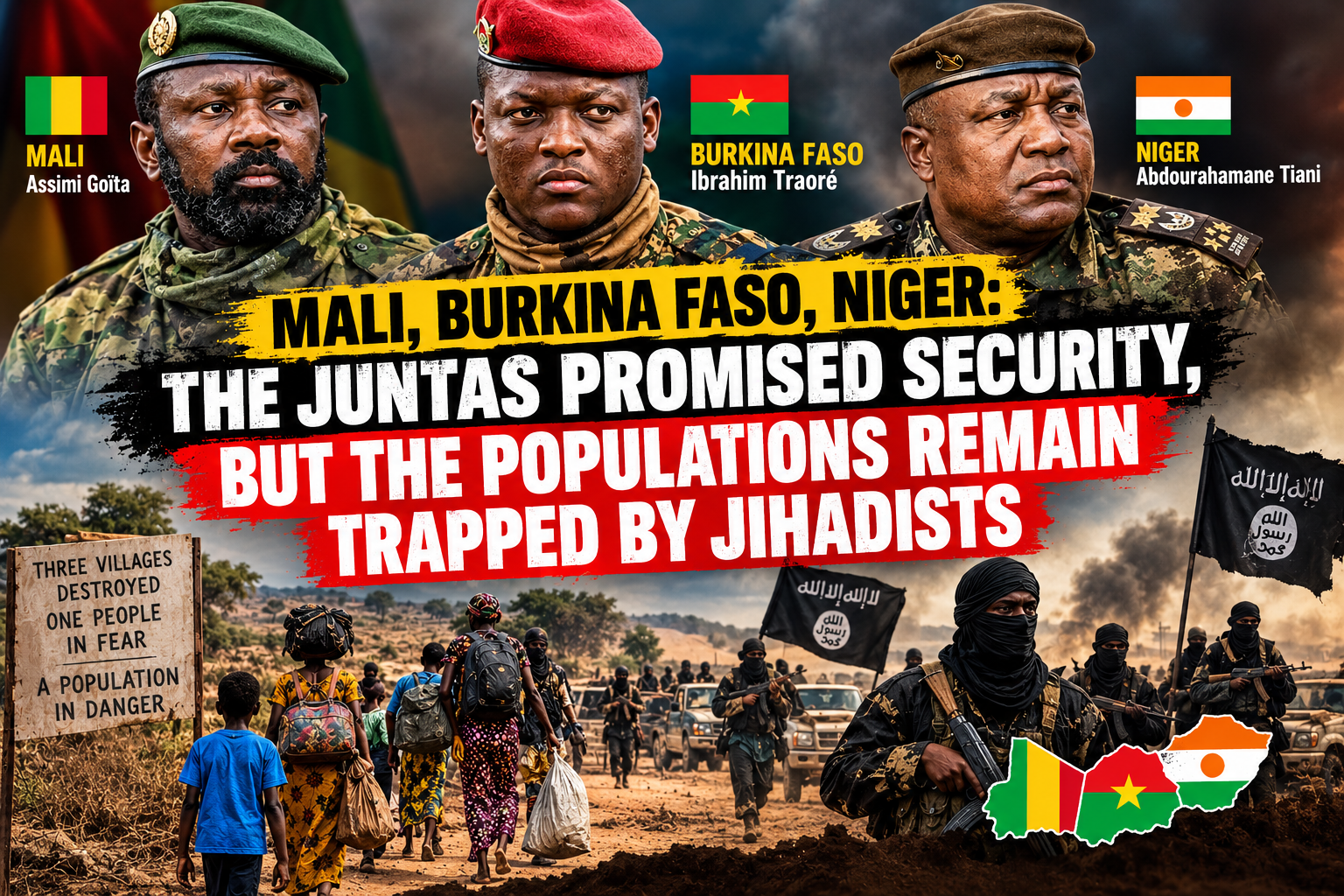
When Captain Ibrahim Traoré seized power in a military takeover, Burkinabè citizens anticipated decisive action against armed groups. The new leadership vowed to reclaim lost territories, strengthen national sovereignty, and deliver a more robust response to jihadist threats. Nearly a decade later, those aspirations remain largely unfulfilled. Official statements continue to trumpet military victories and territorial gains, yet in practice, many regions remain under siege. Roads are perilous, villages are cut off, and the cycle of violence persists.
Perhaps the most telling sign of failure isn’t the persistence of attacks but the exodus they’ve prompted. Thousands of Burkinabè now believe safety lies beyond their borders. Every week, families abandon homes, farms, and livelihoods, fleeing to neighboring countries or safer zones within Burkina Faso. No population voluntarily abandons its homeland unless forced to by dire necessity. This silent flight is a damning indictment of the current government’s inability to fulfill its most basic responsibility: protecting its citizens.
Sovereignty in words, not action
Traoré’s administration has framed its mission in terms of national pride, rejecting past alliances and advocating for self-reliance. These messages resonate with a segment of the population weary of foreign influence. Yet sovereignty cannot be reduced to rhetoric. A government’s legitimacy is measured by its capacity to exert control over its territory and shield its people from harm. When villagers live under the constant threat of extremist raids, when markets operate under the shadow of fear, and when roads become death traps, declarations of autonomy ring hollow.
Another striking contrast emerges when comparing the outspoken critics of Compaoré’s era with their silence today. Those who once condemned his authoritarian tendencies now appear reluctant to hold the current leadership to the same standards. This discrepancy fuels suspicions of selective accountability—a perception that some leaders face harsher scrutiny than others based on shifting political winds rather than tangible results.
The true measure of a nation’s success
The happiness of Burkina Faso cannot be quantified by political slogans or the popularity of its leader. It is measured in the safety of its villages, the security of its highways, the functioning of its schools, the vibrancy of its markets, and the hope families hold for the future. Until Burkinabè can live without the specter of violence dictating their choices, the debate over Ibrahim Traoré’s leadership will remain unresolved.
History does not remember leaders for their speeches or their defiance of foreign powers. It remembers them for their ability—or failure—to deliver what matters most: a life lived in dignity, freedom, and peace.


 Boureima Amadou