Boureima Amadou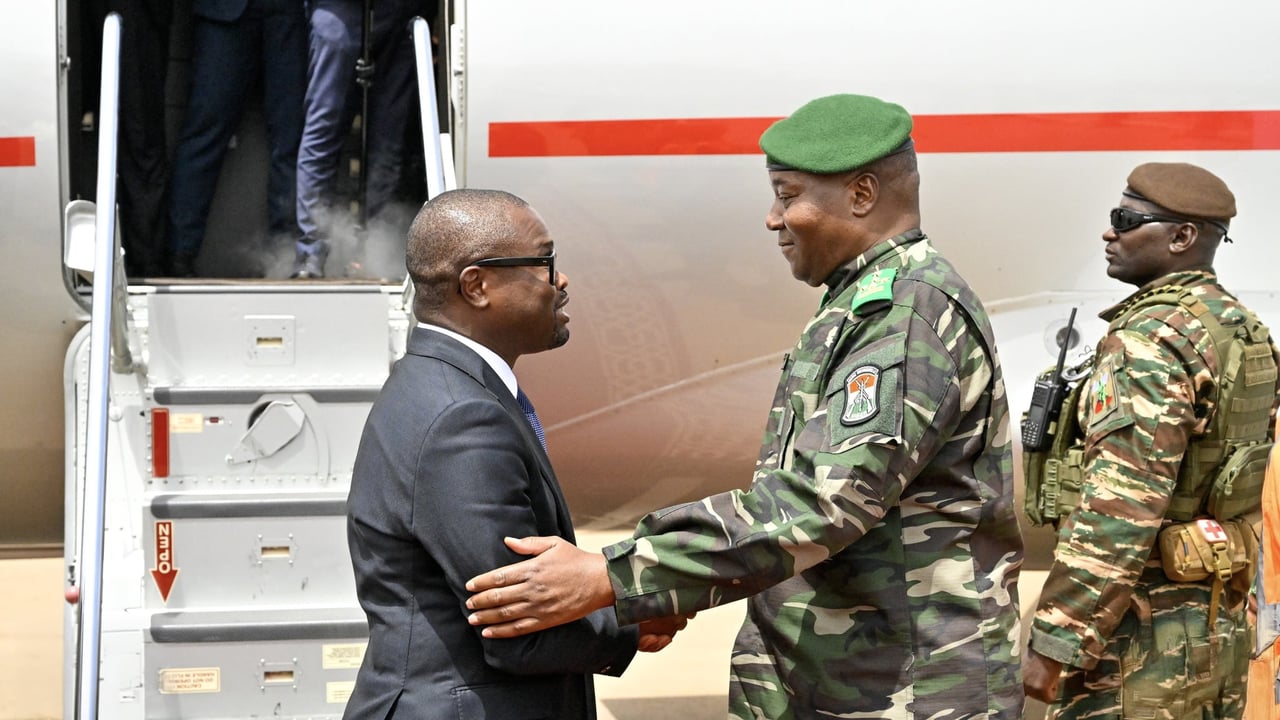

Diplomatic thaw between Cotonou and Niamey
In a significant diplomatic breakthrough, Romuald Wadagni, Benin’s Minister of Foreign Affairs, and Abdourahamane Tiani, Niger’s Head of State, held high-level talks in Niamey on Monday, June 2, 2026. The meeting concluded with a joint commitment to reopen the land border between the two nations, which has been closed for over a year due to security concerns and political tensions.
The announcement marks a turning point in relations between Benin and Niger, two key players in West Africa’s economic and security landscape. The closure had disrupted trade flows, particularly for goods transiting between the two countries, and strained diplomatic ties.
Border closure: a year of economic strain
The border shutdown, which began in early 2025, was initially justified by security imperatives. However, its prolonged closure had severe economic repercussions, especially for Beninese merchants and Nigerien farmers who rely on cross-border commerce. The decision to reopen comes after months of behind-the-scenes negotiations and confidence-building measures.
During the talks, both leaders emphasized the need to restore normalcy in bilateral relations. Wadagni highlighted Benin’s commitment to regional stability, while Tiani underscored Niger’s efforts to address security challenges through dialogue rather than isolation.
A step toward regional integration
The reopening of the border is expected to boost trade and strengthen economic ties between Benin and Niger. It also signals a broader commitment to regional integration within the Economic Community of West African States (ECOWAS), which has been advocating for the free movement of goods and people across borders.
Analysts believe this development could pave the way for further cooperation in areas such as security, infrastructure, and agriculture. The two nations share a 764-kilometer border, making their relationship crucial for West Africa’s stability and economic growth.
Next steps and challenges ahead
While the commitment to reopen the border is a positive step, several challenges remain. Security concerns, particularly in the Sahel region, continue to pose risks. Both governments will need to implement robust monitoring mechanisms to ensure the border remains safe and functional.
Additionally, logistical hurdles, such as customs procedures and infrastructure upgrades, must be addressed to facilitate smooth trade flows. The leaders have agreed to form a joint technical committee to oversee the reopening process and address any emerging issues.
Reactions from the private sector
The announcement has been met with cautious optimism by business leaders in both countries. Beninese traders, who have faced significant losses due to the border closure, expressed relief at the prospect of resumed trade. Similarly, Nigerien exporters are eager to reconnect with Beninese markets.
A Beninese merchant based in Parakou commented, “This is a long-awaited relief. Our businesses have suffered for too long. We hope the reopening happens swiftly and without unnecessary delays.”
Looking ahead: what’s next for Benin-Niger relations?
The reopening of the border is just the beginning of what both nations hope will be a renewed era of cooperation. Future discussions may include deeper economic partnerships, joint infrastructure projects, and enhanced security collaboration.
For now, the focus remains on turning this commitment into action. The joint technical committee is expected to finalize the reopening timeline within the coming weeks, with both sides eager to restore full trade and diplomatic relations.