Cameroon reshuffles top judicial body after six-year delay

Following nearly six years of stagnation, President Paul Biya has appointed fourteen new members to Cameroon’s Superior Council of the Judiciary, a move expected to revive the country’s stalled judicial machinery. The council, which operates under presidential oversight, plays a pivotal role in overseeing the justice system and ensuring its smooth functioning.
The newly appointed judges, selected on June 2, will serve a five-year term, succeeding a mandate widely criticized for its inactivity. Their arrival comes at a critical time, as the prolonged paralysis of the council has left hundreds of trainee magistrates in limbo—many unable to secure permanent positions for years. Career advancements for sitting judges, including promotions and transfers, have also ground to a halt.
A new chapter for Cameroon’s judiciary
The council’s prolonged dormancy has had far-reaching consequences beyond magistrate training. Judicial appointments, including those for prosecutor and bench positions, have been frozen, disrupting the entire career progression pipeline. Legal experts and stakeholders now anticipate that the newly constituted body will swiftly address these backlogs, particularly the integration of qualified jurists awaiting deployment.
Observers also speculate that these appointments could signal forthcoming political developments, including the long-awaited formation of a new government and the filling of the newly created vice-presidential position—both announced months ago but yet to materialize.

Boureima Amadou
Journalist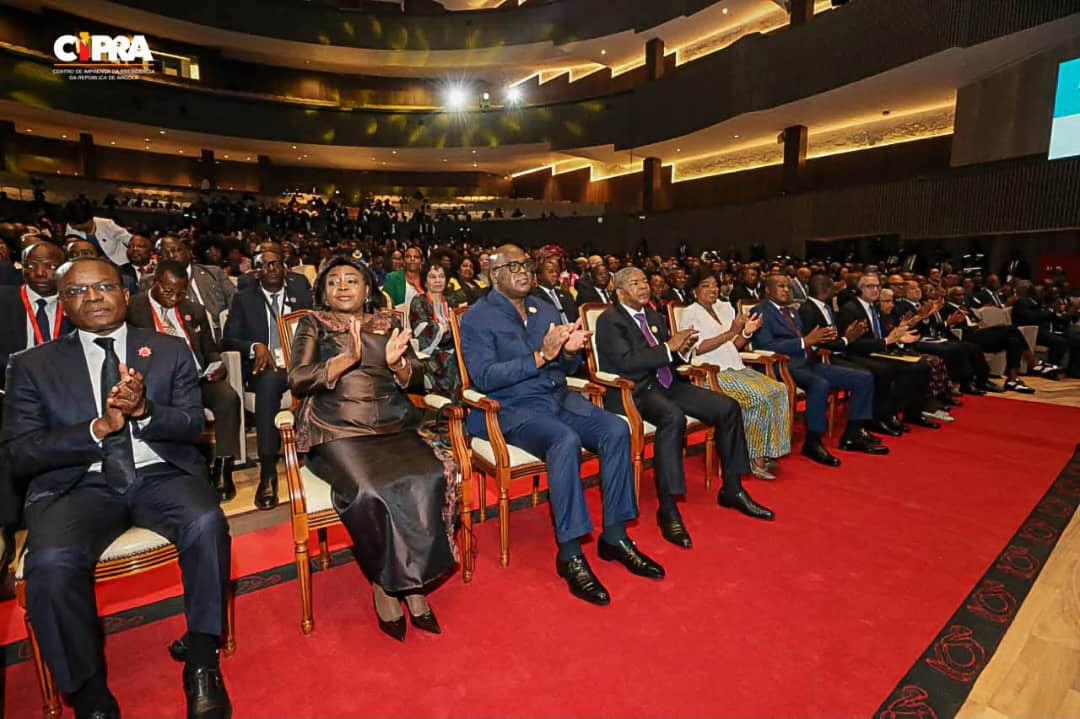
Boureima Amadou
- International
- October 22, 2026
- 10 views
DR Congo’s bold water sovereignty stance at Luanda biennale signals new era for Africa’s rivers
Luanda biennale 2026: A turning point for Africa’s water governance The fourth edition of the Luanda Biennale, held on October 22–23, 2026, under the auspices of UNESCO and the African…
- International
- October 22, 2026
- 20 views
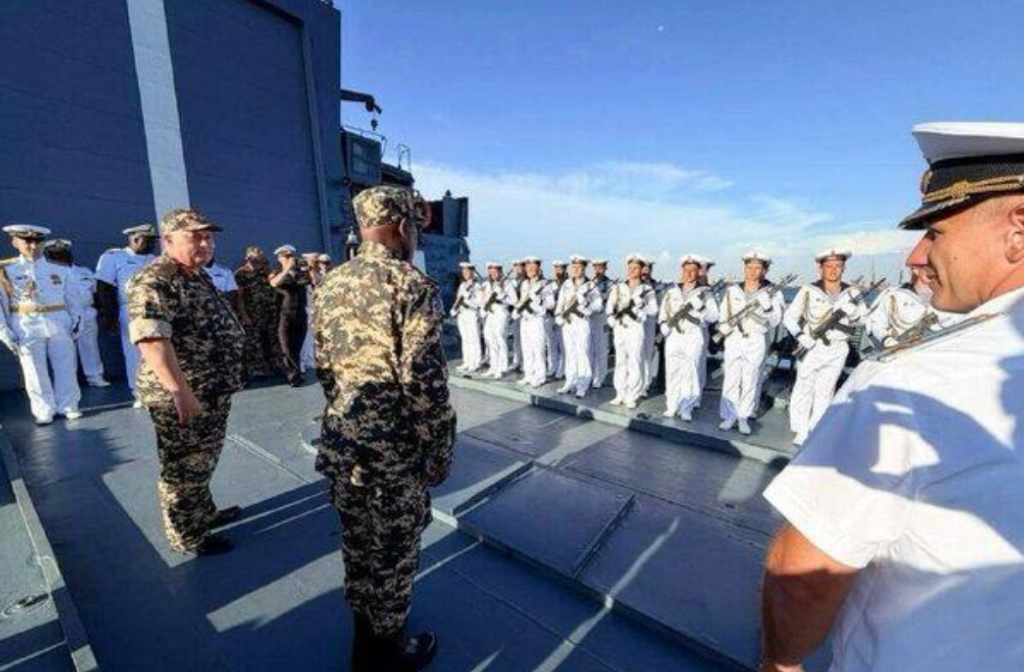
Russia’s naval diplomacy in Namibia: Walvis Bay’s turning point in Moscow’s African strategy
The Perekop’s Arrival: More Than Just a Training Mission The docking of the Russian naval vessel Perekop in Namibia’s Walvis Bay on October 20, 2026, was officially framed as part…