Boureima Amadou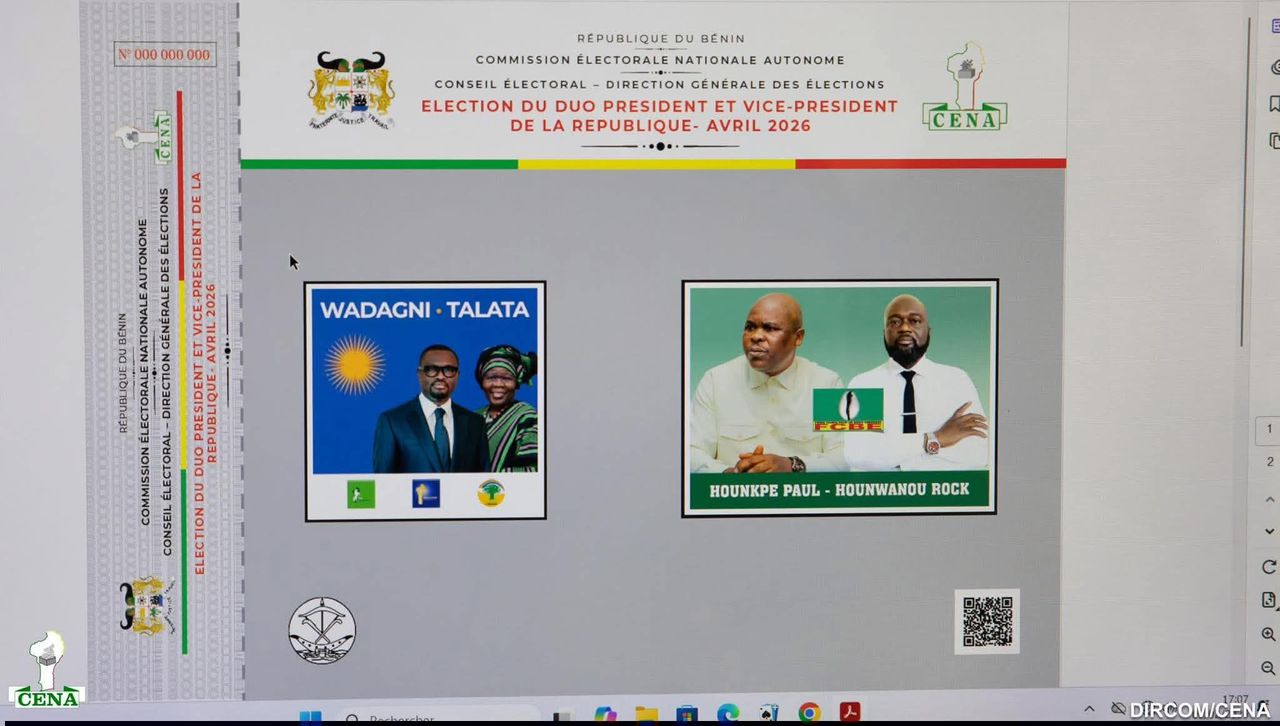
A historic milestone has been reached in Benin’s political landscape. Following the presidential election held on April 12, the Constitutional Court has officially confirmed a voter turnout rate of 63.55%. This impressive figure highlights a significant return of Beninese citizens to the polling stations, marking a new chapter in the nation’s civic life.
A powerful statement of civic engagement
Contradicting previous trends of voter hesitation and predictions of public indifference, Sunday’s vote demonstrated a remarkable level of enthusiasm. The High Court’s data reveals that more than six out of every ten registered voters participated, representing a substantial increase compared to recent electoral cycles.
Local political experts suggest that this 63.55% participation rate is far more than a mere statistic; it serves as a decisive political message. It reflects a collective desire among the population to take charge of the country’s future and provide a clear mandate of legitimacy for institutional reforms through the power of the ballot box.
Widespread mobilisation across the country
From the bustling streets of Cotonou to the northern reaches of Parakou, Abomey, and Natitingou, long queues at polling stations were visible from the early hours. Several key elements contributed to this renewed electoral energy:
- Grassroots campaigning: Candidates and their teams worked extensively on the ground, successfully engaging voters even in the most remote rural communities.
- A peaceful atmosphere: The absence of major disruptions and the efficient management of the process by the CENA (National Electoral Commission) provided a reassuring environment for the public.
- High-stakes transition: The impending departure of outgoing President Patrice Talon created a competitive dynamic that motivated supporters from all political backgrounds to make their voices heard.
Institutional validation and democratic stability
By certifying these results, the Constitutional Court has reinforced the credibility of the entire electoral framework. This high level of participation acts as the foundation for the incoming president’s legitimacy. International observers view this resurgence of the Beninese electorate as a critical step in strengthening democratic stability within the sub-region.
Civil society representatives have lauded the outcome, describing it as a triumph for the nation. The vibrant participation proves that the democratic process in Benin is deeply rooted in the will of its people. As the country prepares for the official transfer of power on May 23, the message remains clear: the citizens of Benin have reaffirmed their commitment to the democratic process through active participation.

 Mariama Hamani