Boureima Amadou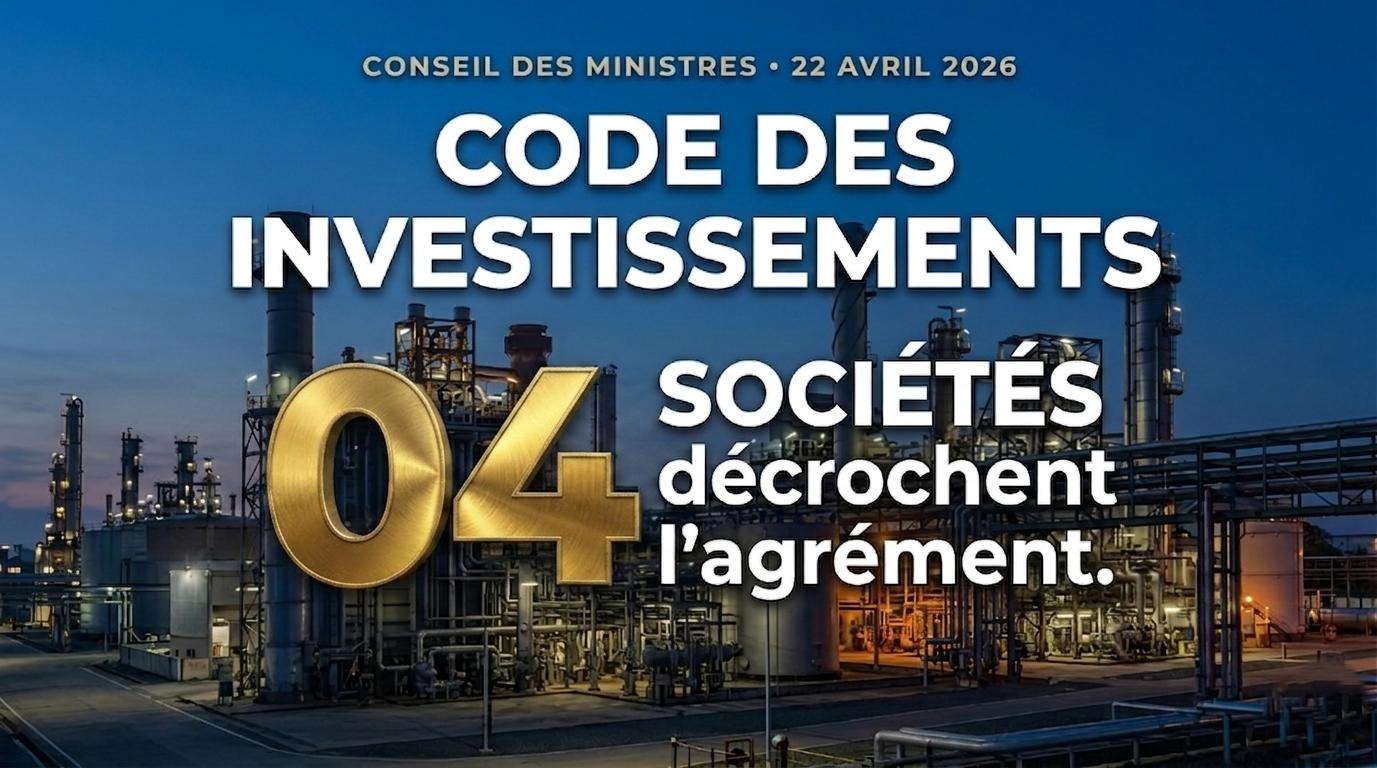
Benin’s industrial landscape is set for a major transformation following the approval of four key manufacturing projects under the country’s investment code. These ventures, cleared by the executive branch, span water production, chemical manufacturing, and agro-processing—all designed to strengthen the nation’s economic resilience and reduce reliance on imports.
The government’s proactive stance is clear: by offering tax exemptions, customs privileges, and streamlined administrative processes, it aims to attract foreign and domestic investment while fostering local job creation. This strategic move aligns with a broader vision to position Benin as a leading industrial hub in West Africa.
four strategic industries, four key locations
The newly approved projects are strategically distributed across the country, each addressing critical gaps in Benin’s production chain:
- Water production: Eau Technologie Environnement SA will operate in the Gakpé industrial zone, leveraging the specific investment regime to meet rising domestic demand for bottled mineral water.
- Chemicals: The Société Bénino-Tunisienne de Commerce SARL will establish a paint manufacturing plant in Sèmè-Podji under the regime A, capitalizing on the area’s prime commercial connectivity.
- Agriculture: BNS Agri Industrie SARL will transform soybeans into crude oil and animal feed in Azonsa, operating under regime B to enhance the local value chain.
- Beverages: LIBS Benin SARL will launch a dual production facility in Allada, churning out both mineral water and canned beer under regime B, tapping into a fast-growing market segment.
economic and social ripple effects
The ripple effects of these projects extend far beyond financial gains. By prioritizing direct and indirect job creation, particularly for young professionals, the government is reinforcing its commitment to an inclusive economic model. These initiatives are pivotal in shifting Benin’s economic narrative from a consumer-driven model to a self-sustaining, export-oriented industrial powerhouse.
The long-term payoff? A more diversified, competitive economy that reduces import dependency and positions Benin as a regional industrial leader.