Mariama Hamani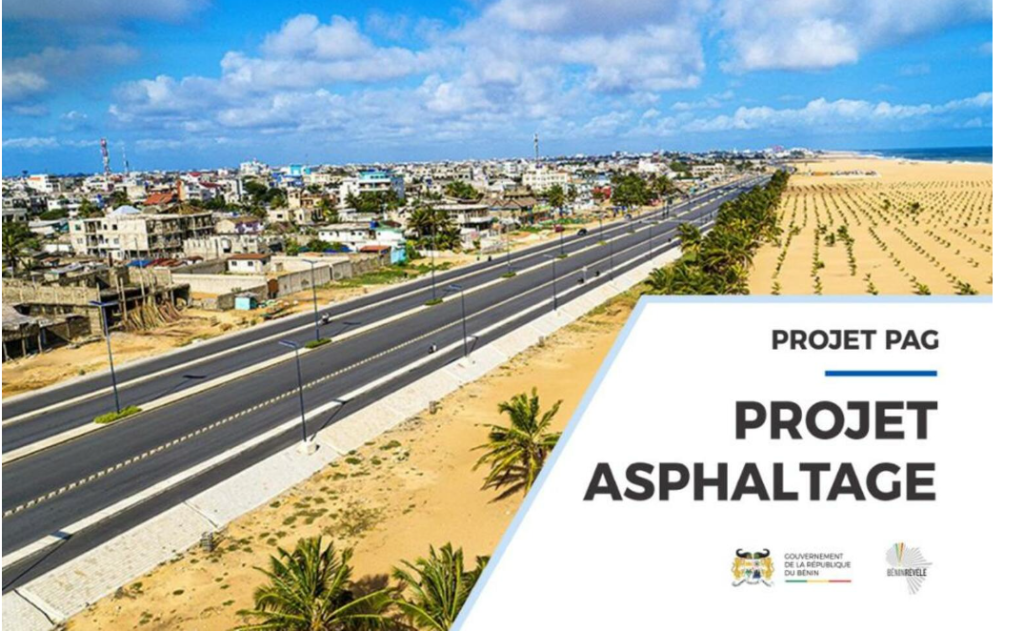
A decade of relentless progress in Benin is best measured in kilometers of smooth asphalt. Under the leadership of Patrice Talon, the nation’s road network has undergone a historic transformation—converting dust-choked paths into modern arteries of growth. From the bustling streets of Cotonou to the most remote villages, this infrastructure revolution has redefined mobility, commerce, and national pride. As the end of his mandate approaches, one legacy stands out: a country reconnected, rejuvenated, and ready for the future.
The road to prosperity: a decade of asphalt revolution
When Patrice Talon assumed office in 2016, Benin’s road network was in a state of disrepair. Potholes, dust, and seasonal flooding had turned everyday travel into a challenge. But Talon saw beyond the cracks in the pavement. He recognized that reliable roads were the foundation of economic vitality—enabling farmers to transport goods, students to reach schools, and businesses to thrive. His administration launched an unprecedented road-building campaign, aiming not just to repair, but to reimagine transportation across the country.
A network reborn: over 2,000 km of new asphalt
Official records confirm a monumental achievement: more than 2,000 kilometers of roads have been paved in just ten years. And the transformation continues, with an additional 1,100 kilometers under construction. For countless families, this means more than just smoother rides—it means connection. Children no longer miss school due to impassable roads. Farmers can deliver harvests without vehicle damage. Remote communities are no longer isolated islands, but thriving hubs linked to markets and services. The impact is felt in daily life, in safety, and in opportunity.
Urban renewal through asphalt: the Asphaltage program
At the heart of this transformation is the Asphaltage initiative, a sweeping urban renewal project that reshaped Benin’s cities. From Cotonou, the economic heartbeat, to Porto-Novo, the political capital; from Parakou in the north to Abomey-Calavi, Ouidah, and Djougou—this program touched every major urban center. What was once cracked and dusty pavement is now clean, safe, and dignified. Neighborhoods once forgotten now shine. Markets flourish. Public services—ambulances, fire trucks, waste collection—operate efficiently. The streets of Benin have become symbols of civic pride.
Beyond the cities: roads that unite nations
Patrice Talon’s vision extended far beyond urban boundaries. He invested in cross-border connectivity, rehabilitating critical international routes like the Cotonou-Niamey highway, a vital link between Benin and Niger. Goods now flow freely, day and night, boosting regional trade and economic integration. The historic *Route des Pêches* (Fisheries Route) also received major upgrades, with new bridges, expanded lanes, and reduced travel times—turning multi-hour journeys into minutes. Benin is no longer just a transit point; it’s a gateway for commerce and cooperation across West Africa.
A new national mindset: pride on the road
The most enduring impact isn’t measured in kilometers or budgets—it’s in the hearts and minds of the people. Citizens no longer ask, “When will they build the road?” They ask, “Which town will be paved next?” This shift reflects a deep sense of ownership and optimism. Tourists are captivated by clean, well-maintained streets. Investors see stability, accessibility, and potential. Communities that were once cut off now thrive along new transport corridors. Local economies are booming. Agricultural lands are accessible. Markets are bustling. The road has become more than infrastructure—it’s a symbol of progress, dignity, and a nation on the move.
A legacy written in asphalt and aspiration
In a single decade, Patrice Talon has laid more pavement than all his predecessors combined. He has not only built roads—he has built futures. He has lifted communities out of isolation. He has connected Benin to itself and to the world. International partners, development agencies, and financial institutions have taken notice. This isn’t just infrastructure; it’s a development model. It shows how vision, investment, and persistence can transform a nation’s landscape and destiny. The bitumen underfoot is now a foundation for growth, resilience, and national pride—an indelible mark on the land and in the collective memory of the Beninese people.

 Boureima Amadou