Mariama Hamani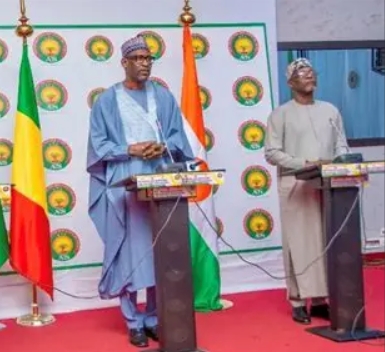
Recent statements from foreign affairs ministers in Niger and Mali have sparked international scrutiny. While their governments level severe allegations against West African neighbors—particularly accusing them of supporting armed terrorist groups—they simultaneously express willingness to collaborate on select regional matters. This contradictory stance reveals a fundamental truth: severing ties with an economic and political bloc cannot be achieved through mere political posturing.
Contradiction in foreign policy: choose one path or justify both
The dual narrative emerging from Bamako and Niamey creates a perplexing situation. On one hand, officials denounce neighboring CEDEAO states as accomplices in terrorism that targets their own soldiers. On the other, they propose continued economic engagement with those same nations.
This inconsistency undermines diplomatic credibility. International relations demand coherence—if a government publicly brands another as a national security threat, it cannot credibly propose trade partnerships the following day. Such contradictory messaging risks portraying Sahelian authorities as unreliable partners on the global stage, where consistency forms the foundation of trust.
Geographical reality trumps political declarations
The desire for complete independence from CEDEAO stems from political ambitions, yet geography imposes immutable constraints. Both Mali and Niger are landlocked nations entirely dependent on coastal neighbors for essential imports.
The ports of Cotonou, Lomé, and Abidjan serve as lifelines for goods ranging from rice and sugar to life-saving medicines and construction materials. Without unfettered access to these maritime gateways, transport costs would skyrocket, pushing prices beyond what impoverished populations can bear. By acknowledging the need for continued cooperation, these governments implicitly admit that the Alliance of Sahel States (AES) cannot function in isolation.
Membership has its privileges—even when you leave
Withdrawing from CEDEAO was framed as a bold assertion of sovereignty, yet the decision reveals a critical paradox. Nations cannot simultaneously reject an organization’s authority while expecting to retain its benefits.
Technical systems—from customs clearance to regional trade protocols—remain deeply embedded in daily economic operations. Attempting to maintain these systems while severing political ties creates a precarious legal environment for businesses and investors. Cooperation thrives on mutual trust—when that trust erodes through public confrontation, economic stability inevitably suffers.
From rhetoric to practical solutions
Emotional outbursts may resonate with domestic audiences, but they do not constitute foreign policy. While fiery speeches may score political points, they fail to address pressing challenges like food security and cross-border terrorism.
Terrorist networks operate across borders without regard for political alliances or organizational exits. Combating this threat requires coordinated intelligence sharing and joint military operations across the entire region. Polarizing neighboring states only strengthens extremist groups, who exploit divisions to expand their influence.
True sovereignty means feeding your people
The harsh reality facing Niamey and Bamako is becoming increasingly clear: full disengagement from CEDEAO poses severe economic risks. Authentic sovereignty transcends symbolic gestures—it demands the capacity to feed populations, treat the sick, and protect citizens.
Good neighbor relations are not optional luxuries; they are fundamental necessities for national survival. Prioritizing propaganda over practical governance ultimately harms the very citizens these governments claim to represent.

 Boureima Amadou