
Benin and World Bank forge ten-year alliance to boost jobs and human capital
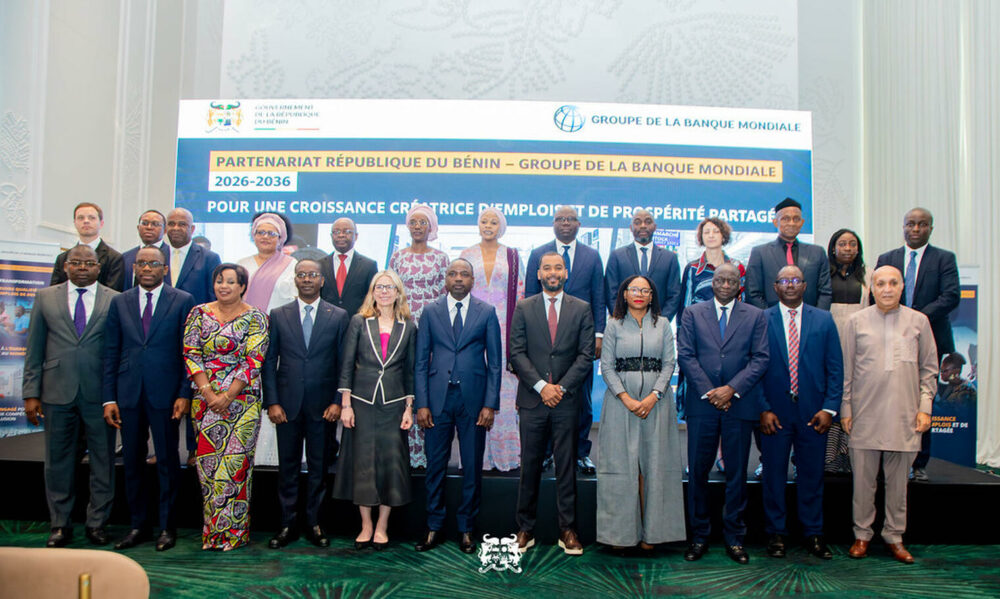
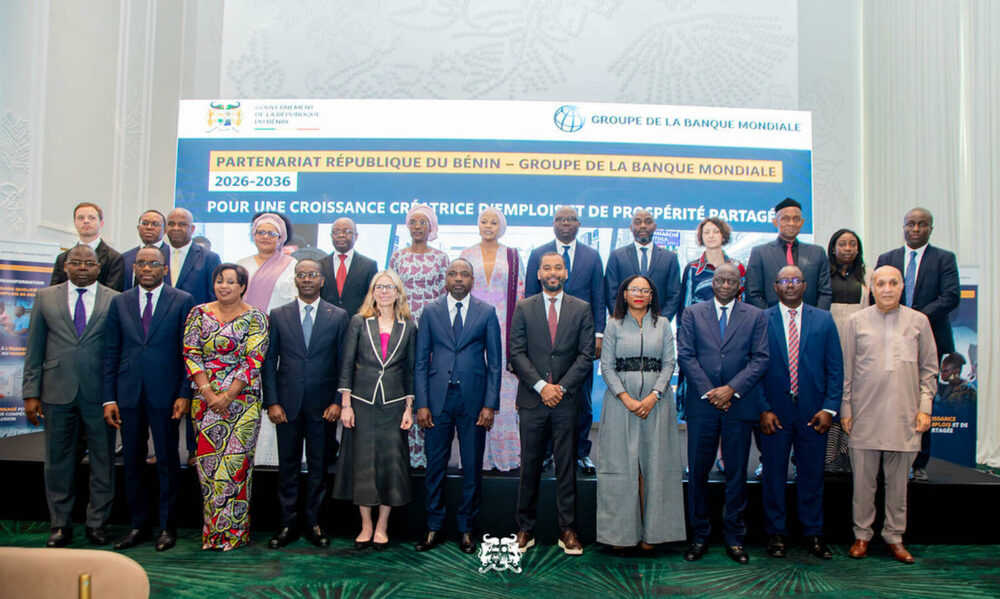
A landmark agreement between Benin and the World Bank was unveiled in Cotonou on Friday, July 17, marking the start of a decade-long Country Partnership Framework (CPF) spanning 2026 to 2036. The initiative aims to propel the West African nation toward inclusive and sustainable economic transformation.
The launch ceremony drew key figures, including Benin’s government officials, diplomatic representatives, and development partners, underscoring the broad support for this ambitious initiative.
The 2026-2036 CPF is structured around three core pillars: enhancing human capital through improved nutrition, healthcare, and skills training; expanding access to critical infrastructure; and accelerating private-sector-led economic growth. An additional focus includes the Prevention and Resilience Program, designed to bolster national stability and social cohesion across Benin.
Anna Bjerde, World Bank Managing Director of Operations, praised the vision set forth by Benin’s President, Romuald Wadagni, and his administration. She emphasized that the CPF’s launch coincides with a pivotal moment for the country, characterized by renewed political momentum and the strategic “Alafia Benin 2060” roadmap. Bjerde highlighted that this partnership will translate ambition into tangible outcomes for youth and entrepreneurs, with investments in human capital and productive infrastructure serving as catalysts for sustainable, job-creating growth.
Bjerde further reaffirmed the World Bank’s commitment to supporting Benin’s efforts to enhance national economic competitiveness and elevate living standards for its citizens.
Aristide Medenou, Benin’s Minister of Economy, Finance, and Cooperation, noted that the new CPF aligns seamlessly with national priorities, particularly in agriculture, private-sector development, and youth employment.
The government views the 2026-2036 CPF as a driving force behind accelerated socio-economic transformation, resilience-building, and expanded opportunities for future generations.
More Stories
Le Maroc, « partenaire stratégique important » de l’UE sur la migration
Cameroun : Joseph Dion Ngute, l’art de durer au milieu de la guerre des clans
Le grand invité Afrique – RDC: Félix «Tshisekedi est parmi les seuls dirigeants africains qui soit aussi proche d’Israël»