Boureima Amadou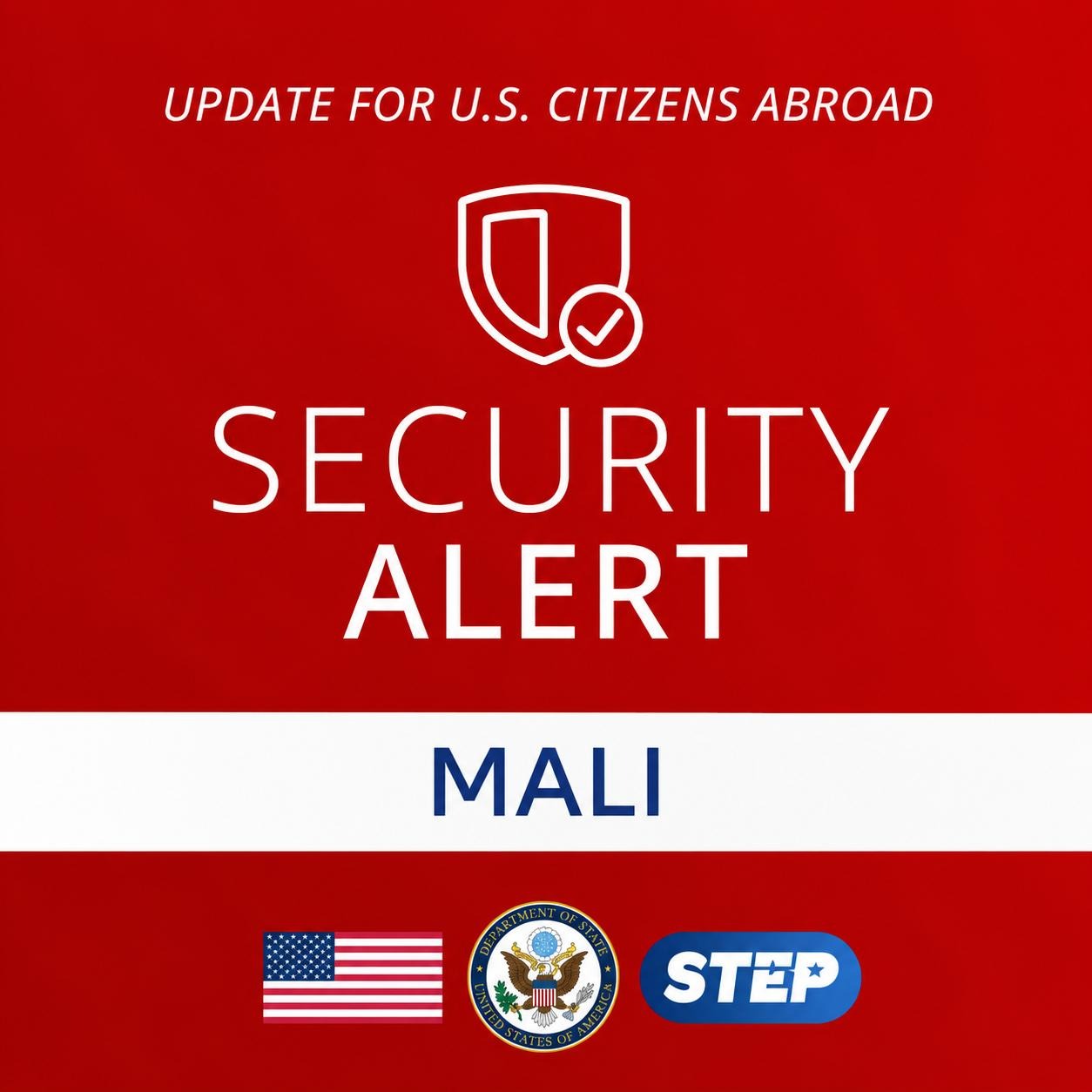
Bamako is on high alert this weekend as the United States Embassy in Mali issues a stringent security advisory, urging its citizens to minimize all non-essential travel within the capital. The timing of this alert is deliberate, reflecting a sharp reassessment of the security landscape by American intelligence services.
Why the sudden restriction on movement?
Starting Saturday, May 30, 2026, American nationals in Bamako are advised to avoid large gatherings, exercise heightened caution in areas frequented by expatriates, and limit all unnecessary journeys across the city. Such directives are rarely issued without substantial cause. When a foreign embassy restricts the movement of its citizens and staff for a specific period, it signals that credible intelligence has been gathered—whether intercepted threats, thwarted attack plans, or operational indicators. Washington’s decision underscores a principle of maximum caution, casting a shadow over the capital and highlighting the fragile nature of the recent relative calm.
JNIM and FLA: The looming threats at Bamako’s doorstep
The American embassy’s warning is set against a backdrop of deepening insecurity in Mali. Bamako, once considered relatively insulated from large-scale attacks, now faces persistent risks. The Jama’at Nusrat al-Islam wal Muslimin (JNIM), Al-Qaeda’s primary Sahelian affiliate, has repeatedly demonstrated its capability to strike at the heart of government and urban centers. Memories of complex assaults on military installations and critical peripheral sites in Bamako remain fresh in the collective consciousness.
Meanwhile, the deterioration of security in northern and central Mali, exacerbated by the activities of the Cadre Stratégique Permanent—now operating under new alliances or collaborating with groups like the Front de Libération de l’Azawad (FLA)—keeps pressure on the Malian Armed Forces (FAMa). The presence of sleeper cells and improvised explosive device (IED) networks is an ever-present challenge that local security forces strive to contain daily. The U.S. embassy’s alert serves as a stark reminder that the threat of asymmetric attacks remains a formidable and unpredictable foe.
Economic strangulation: When roads become battlegrounds
Beyond direct attacks, a more insidious strategy is unfolding—one that targets the very lifelines of the nation. Armed groups have escalated roadblocks along Mali’s primary highways, turning fuel convoys bound for Bamako and commercial transport routes into prime targets. These blockades are more than mere disruptions; they are a calculated effort to cripple the economy and instill fear among civilians.
By severing access to fuel and essential goods, these groups aim to destabilize the social fabric and expose the government’s inability to secure vital supply chains. For the U.S. Embassy, the vulnerability of these peripheral routes increases the likelihood of high-impact incidents in proximity to Bamako, further justifying its precautionary stance.
Diplomatic caution in the face of uncertainty
While Malian transitional authorities seek to reassure the public through increased patrols and enhanced checkpoints at city entrances, Western embassies are adopting a more cautious approach. This divergence highlights the tension between political messaging and the cold, data-driven risk assessments conducted by intelligence agencies with advanced monitoring capabilities.
As the weekend of May 30 approaches, security forces have already stepped up identity checks and vehicle inspections in key districts of Bamako. The city braces for heightened scrutiny, with authorities and expatriates alike preparing for the possibility of further measures.
A city under siege, waiting for clarity
The U.S. Embassy’s security alert acts as a wake-up call, stripping away any illusion of stability in Mali. Between the ever-present threats of JNIM-led attacks and the crippling impact of road blockades on daily life, Bamako operates under a suffocating layer of security precautions. As the weekend begins, caution is the watchword for all—locals and foreigners alike—amid uncertainty over whether this alert will fade without incident.