Boureima Amadou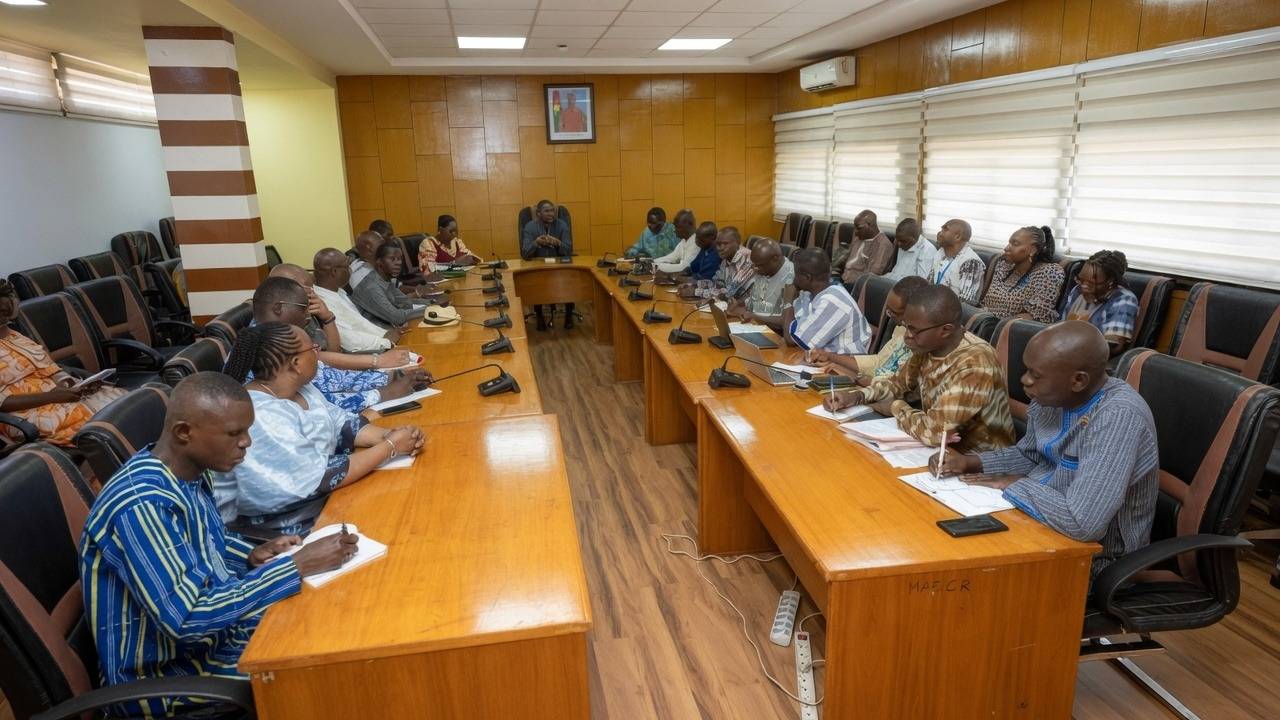
The Burkina Faso embassy in Paris has shut its doors permanently, marking a decisive break in diplomatic ties with France. All twelve Burkinabè diplomats stationed in the French capital have returned to Ouagadougou, where they were received by the Minister of Foreign Affairs, Karamoko Jean-Marie Traoré.
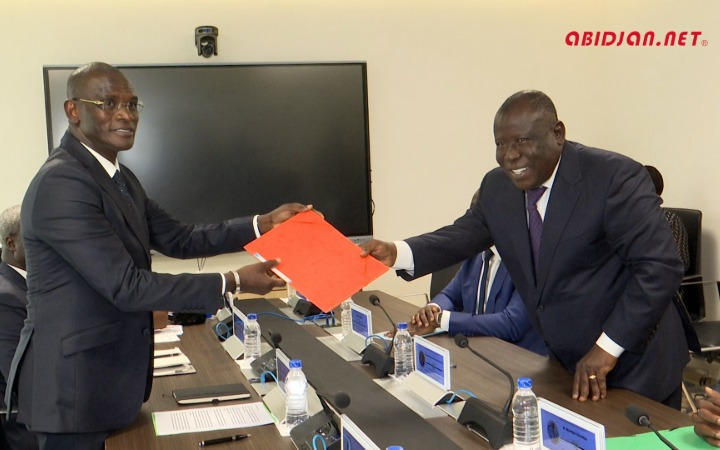
Upon their return, the diplomats formally handed over the national flag that once flew over the embassy alongside the keys to the diplomatic premises. This symbolic gesture signaled the official closure of Burkina Faso’s diplomatic representation in France. Authorities were quick to dismiss reports suggesting any of the diplomats had sought political asylum abroad.
This move follows Burkina Faso’s announcement on June 26 to sever diplomatic relations with France. In line with the principle of reciprocity, French diplomats were required to leave Burkina Faso in early July, while Burkinabè representatives were given a set timeframe to exit French territory.
The Burkinabè government has defended its decision by citing what it describes as France’s « relentless interference » in the country’s internal affairs. Paris, in response, labeled the move as « unjustified and hostile », expressing regret over the deterioration of bilateral ties.
This rupture is part of a broader shift that began after Captain Ibrahim Traoré assumed power in September 2022. Since then, Burkinabè authorities have steadily distanced themselves from their former French partners. The withdrawal of French military forces from Burkinabè soil in 2023 served as a pivotal moment in this diplomatic realignment.
In place of France, Ouagadougou has actively pursued new alliances, particularly with Russia, Turkey, and Iran. These partnerships span security cooperation, economic collaboration, and international relations, reflecting a strategic pivot toward alternative global players.
The closure of the Burkinabè embassy in Paris represents an unprecedented event in recent bilateral history. It underscores the sweeping changes in Burkina Faso’s diplomatic alliances and signals the beginning of a new chapter in its relations with France—one that will undoubtedly draw close international scrutiny.