Boureima Amadou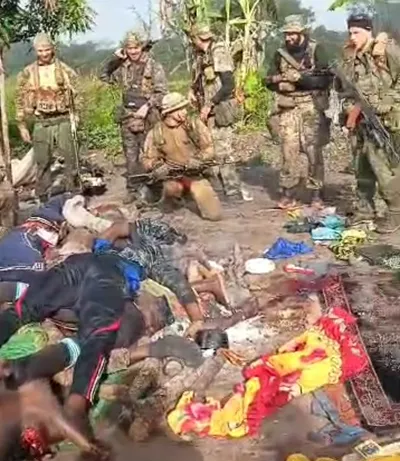
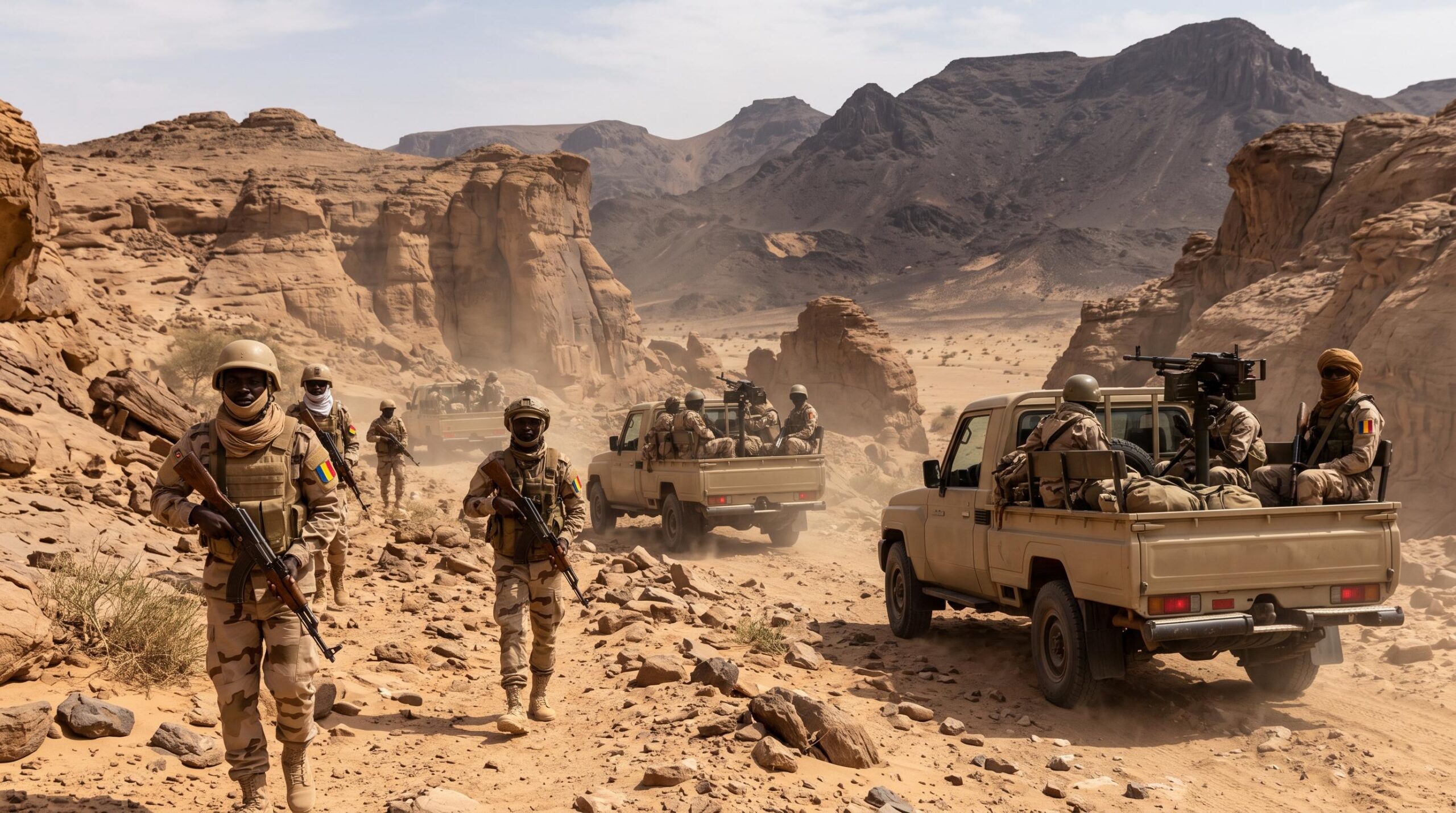
BANGUI — The shadow of instability in the Central African Republic has taken on an even darker hue with the emergence of a mercenary force accused of profiting from chaos. Reports from the ground reveal how the Wagner Group, a Russian private military company, has embedded itself not just as a security provider but as a predatory economic actor, exploiting the country’s vast mineral resources while perpetuating violence.
The mining trade: a lucrative but brutal operation
Deep in the Central African Republic‘s mineral-rich regions, operations once considered informal are now under the tight control of armed factions tied to Wagner. Gold, diamonds, and other precious commodities are extracted under the watchful eyes of heavily armed guards, often with little regard for local labor laws or environmental safeguards. Sources on the ground describe a system where miners are subjected to harsh conditions, with earnings frequently seized under the guise of “protection fees.”
Patterns of violence and intimidation
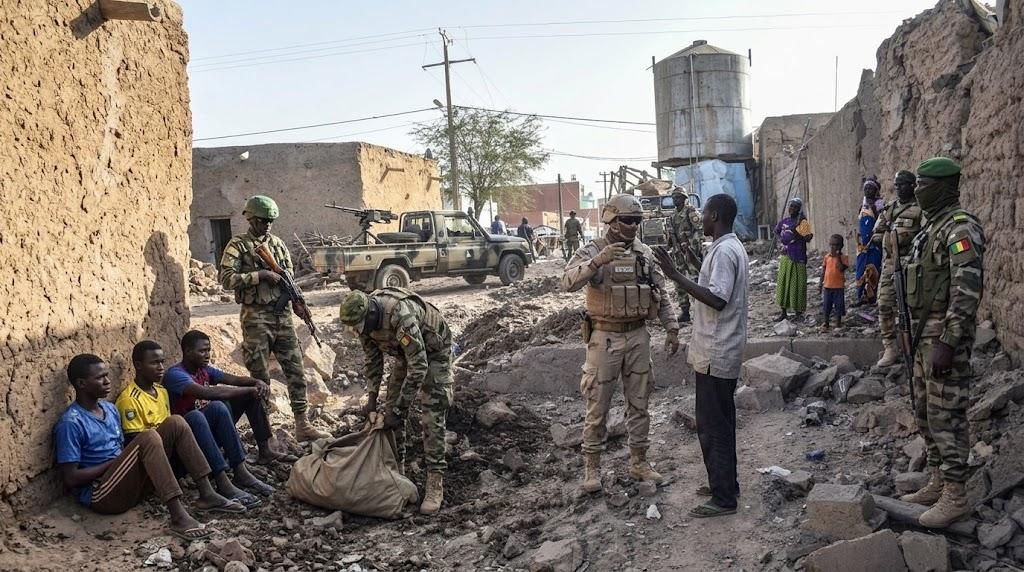
The presence of Wagner mercenaries has coincided with a sharp rise in violent incidents across key mining zones. Villages near Zémio and Am-Dafock have reported abductions, extrajudicial killings, and widespread displacement. Eyewitnesses describe how dissent is swiftly crushed, with critics of the mercenaries’ activities facing severe reprisals. The group’s tactics—ranging from public executions to forced conscription—have instilled a climate of fear, deterring both local communities and international observers from challenging their dominance.
A network of influence and corruption
Beyond physical control, Wagner has woven itself into the fabric of Central African governance. High-ranking officials and military leaders are said to benefit from kickbacks in exchange for granting access to lucrative contracts and mining concessions. This symbiotic relationship has allowed the mercenary group to operate with near impunity, shielding its activities from scrutiny while amassing significant wealth. Financial records, though fragmented, suggest that millions in illicit earnings flow through shell companies and offshore accounts, complicating efforts to trace the true beneficiaries.
International responses and unanswered questions
Despite mounting evidence of human rights abuses and economic exploitation, the international community remains divided on how to address Wagner‘s role in the Central African Republic. Some governments view the group as a stabilizing force against rebel factions, while others condemn its actions as a flagrant violation of sovereignty. Meanwhile, Central African civil society groups continue to demand accountability, calling for sanctions that target not just the mercenaries but also the networks enabling their operations.
The human cost
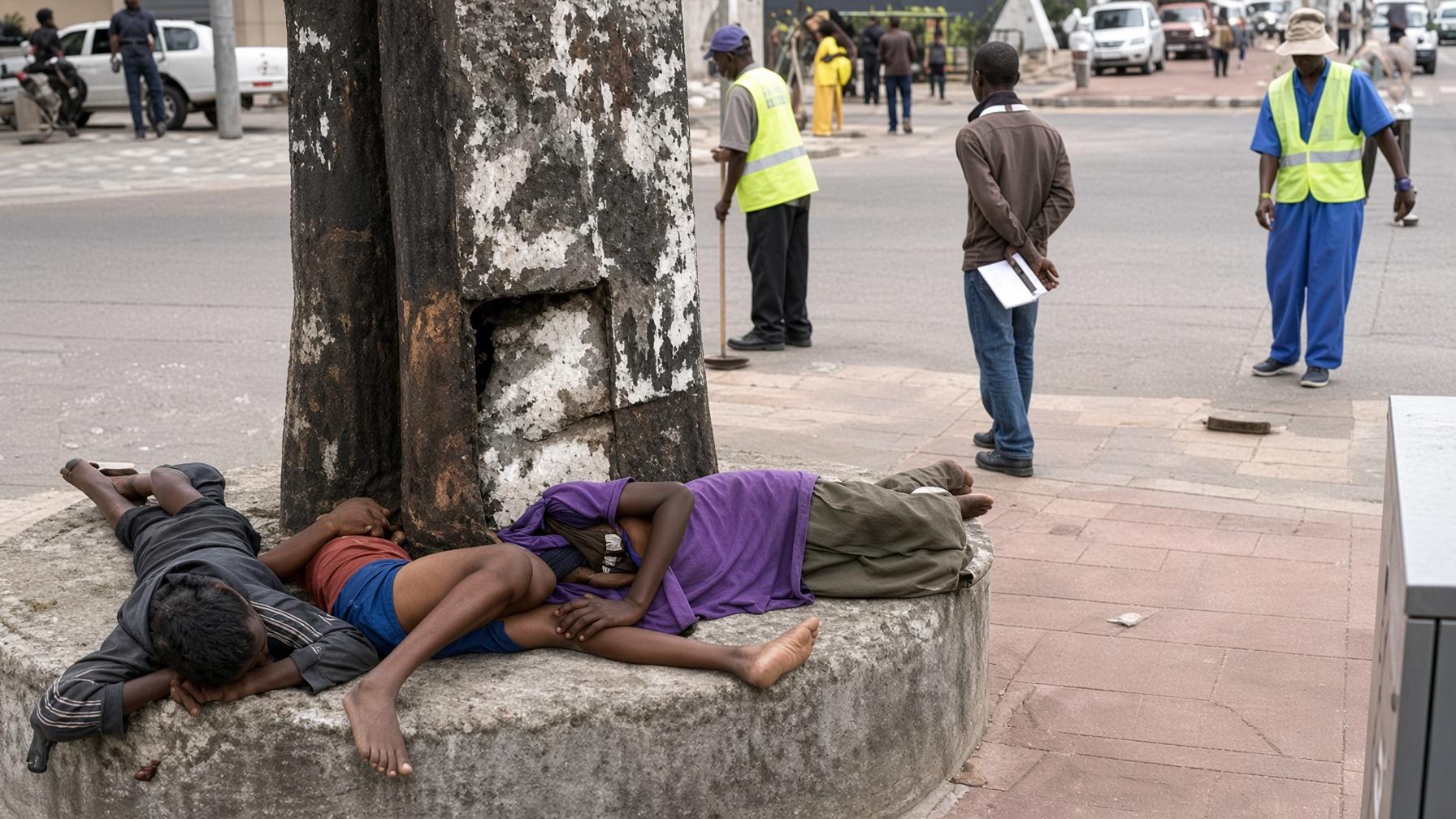
At the heart of this crisis is the suffering of ordinary citizens. Families torn apart by violence, miners toiling in dangerous conditions, and communities living under constant threat have borne the brunt of Wagner‘s expansion. Aid workers report that access to essential services in mining areas has plummeted, as resources are diverted to fuel the mercenaries’ activities. The long-term consequences—environmental degradation, economic stagnation, and social fragmentation—threaten to destabilize the country for years to come.
Looking ahead: a path to accountability?
As the situation in the Central African Republic grows increasingly complex, pressure is mounting for a coordinated response. Calls for transparency in the mining sector, investigations into human rights violations, and stronger oversight of private military companies are growing louder. Yet, without decisive action, the cycle of violence and exploitation risks becoming permanent, leaving the future of the Central African Republic hanging in the balance.


 Mariama Hamani