Mariama Hamani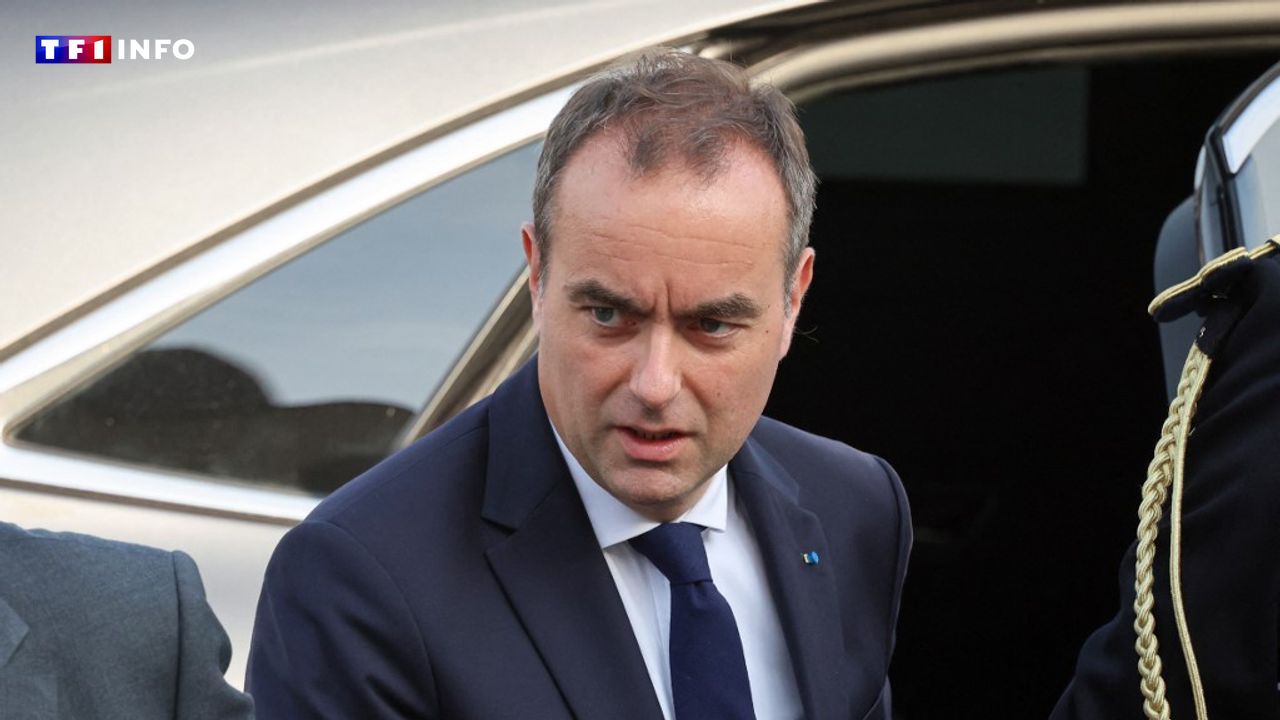
Key diplomatic steps in North Africa
The French Prime Minister Sébastien Lecornu embarks on his first official foreign mission since taking office, with a two-day visit to Rabat set to redefine France-Morocco relations. After a stop in Doha to pay respects following the passing of the Qatari emir, he arrives in Morocco’s capital on Wednesday, July 15, to engage in high-stakes discussions with Moroccan Prime Minister Aziz Akhannouch.
The visit follows a period of rapid diplomatic thaw between Paris and Rabat, marked by President Emmanuel Macron’s historic recognition in summer 2024 of Morocco’s sovereignty over the Western Sahara, a stance that reshaped regional dynamics and drew sharp criticism from Algiers. This diplomatic shift culminated in a three-day state visit by Macron to Rabat in October 2024, during which multiple bilateral agreements were signed, symbolizing the restoration of trust.
Agenda highlights: security, economy and migration
The visit kicks off with a formal reception and military honors on Wednesday evening, followed the next morning by a solemn wreath-laying ceremony at the royal mausoleum, honoring the late kings Mohammed V and Hassan II. The core of the visit unfolds with a bilateral meeting and a joint session between delegations, where several agreements are expected to be signed across economic cooperation, defense collaboration, migration management, and security.
Interior Minister Laurent Nuñez will hold separate talks with his Moroccan counterpart Abdelouafi Laftit, focusing on potential extradition proceedings for Franco-Moroccan national Ismael Benahmed, charged in France with homicide in 2019 and recently detained in Morocco.
A new chapter in Maghreb diplomacy
France has recalibrated its North African strategy, prioritizing its relationship with Morocco over traditional balancing acts with Algeria. Analysts point to a clear shift in Paris’s approach, emphasizing the strategic importance of Rabat in counterterrorism, economic partnerships, and regional stability. Morocco, for its part, has welcomed France’s robust support for its autonomy plan for the Western Sahara, which contributed to the adoption of a landmark UN resolution in 2025 favoring Morocco’s position.
The long-standing dispute over the territory—claimed by the Polisario Front with backing from Algeria and recognized by the UN as a “non-self-governing territory”—has fueled decades of tension. Morocco’s vision for autonomy, backed by France, now stands as a cornerstone of the renewed partnership.
Towards a historic royal visit?
The culmination of this diplomatic rapprochement could be a landmark state visit by King Mohammed VI to Paris, potentially accompanied by the signing of a bilateral treaty described as an “exceptional partnership.” While the exact date remains unannounced—having been tentatively agreed upon by foreign ministers in late May—this would mark the first such visit since 2000.
Lecornu’s trip to Rabat represents not only a personal diplomatic debut but also a strategic move by France to consolidate influence in North Africa amid evolving geopolitical currents. With a delegation of over a dozen ministers, including Foreign Minister Jean-Noël Barrot, the visit signals a commitment to deepening ties in a region critical to European security and economic interests.

 Boureima Amadou