Boureima Amadou
Eighteen months after the military takeover on July 26, 2023, which ousted President Mohamed Bazoum, the CNSP military regime is tightening its grip on Niger. A recent report by Amnesty International, released on March 18, documents a series of human rights violations including arbitrary arrests, forced detentions, and the silencing of political parties. The document, titled “Niger. Menaced and forced into line: human rights and civic space under pressure since the July 26 coup,” details the erosion of civil liberties between July 2023 and January 2025. Critics and former officials are facing systemic repression as the military authorities shrink the political landscape, deepening social divisions despite initial promises to uphold the rule of law.
The Sahel region has faced a wave of instability, with military coups occurring in Mali (2020 and 2021) and Burkina Faso (2022) prior to the events in Niger. In response to economic sanctions and pressure from ECOWAS, these three nations formed the Alliance of Sahel States (AES) in September 2023. This strategic shift led to their withdrawal from the regional bloc and a severance of ties with France and the European Union. Following this path of isolation, Niger, Burkina Faso, and Mali announced their departure from the International Organisation of La Francophonie (OIF) on March 17, after the organization called for the release of Mohamed Bazoum.
The collapse of the rule of law
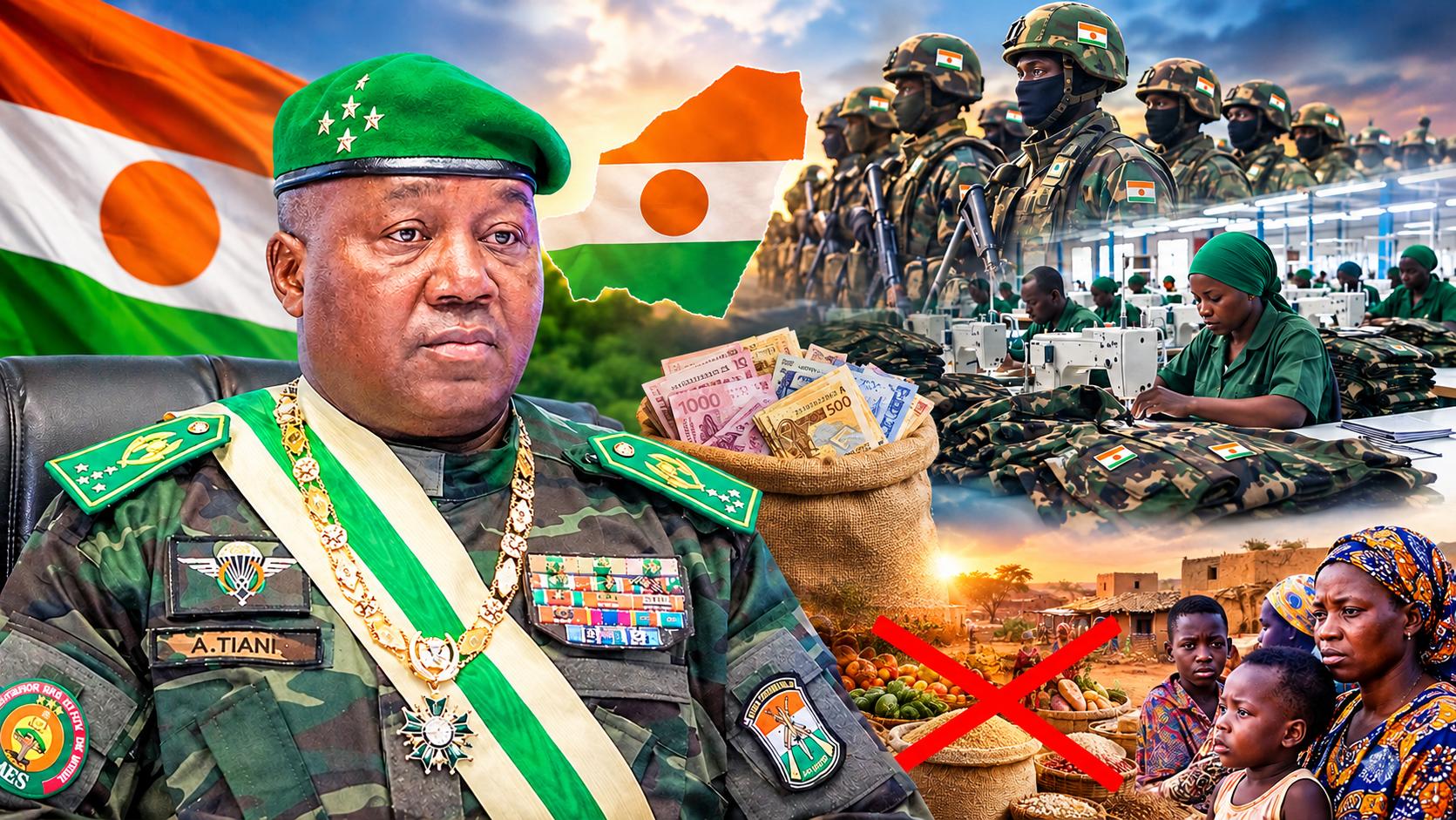
Upon seizing power, General Abdourahamane Tiani pledged to respect human rights and civil freedoms in line with Niger‘s international obligations. However, eighteen months later, the situation has deteriorated significantly. Marceau Sivieude, a regional director for Amnesty International, notes that despite these guarantees, human rights have been undermined in both law and practice. The military leadership suspended the 2010 Constitution and dissolved key institutions like the National Human Rights Commission, concentrating all legislative and executive power within the CNSP.
One of the most concerning legal shifts is the reinstatement of the 2019 cybercrime law, which has been used since July 2024 to target citizens for defamation or content deemed a threat to public order. Additionally, an August 2024 ordinance expanded terrorism-related offenses, allowing the state to freeze assets and revoke the nationality of targeted individuals. So far, at least 21 people, including former ministers from the Bazoum administration, have been affected. Hamid Ngadé, a former presidential advisor, expressed that such measures effectively leave critics stateless in a country where the rule of law no longer exists. This climate has effectively dismantled political pluralism, as all parties remain suspended.
A crackdown on civil society and independent media
The military junta has expanded its repressive toolkit to silence both activists and the press. Under the guise of maintaining sovereignty, the regime has fostered a climate of fear. Intelligence services have been accused of orchestrating forced disappearances and arbitrary detentions. Moussa Tchangari, a prominent civil society figure, was arrested in late 2024 and faces up to ten years in prison on charges including association with criminals and endangering state security. This crackdown targets anyone voicing dissent, creating a rift between those labeled as “patriots” and those branded as “stateless” for their critical views.
Journalism under fire
The CNSP has also launched a direct assault on media freedom. The national Press House was suspended in early 2024 and replaced by a government-controlled committee. International outlets like RFI and France 24 were banned shortly after the coup, followed by the BBC in December 2024. Journalists and bloggers have not been spared; individuals like Ousmane Toudou and Soumana Maïga were arrested for social media posts and tried in military courts, while blogger Samira Sabou was subjected to a forced disappearance before being prosecuted under cybercrime laws.
This environment has led to widespread self-censorship, as sources fear speaking out and journalists must weigh every word. Ousmane Diallo of Amnesty International warns that the suppression of free expression and the press is reaching a critical point. With recent recommendations suggesting a five-year transition period that could allow current military leaders to run for office, Niger appears to be moving further away from a return to democratic governance and the protection of fundamental rights.