Mariama Hamani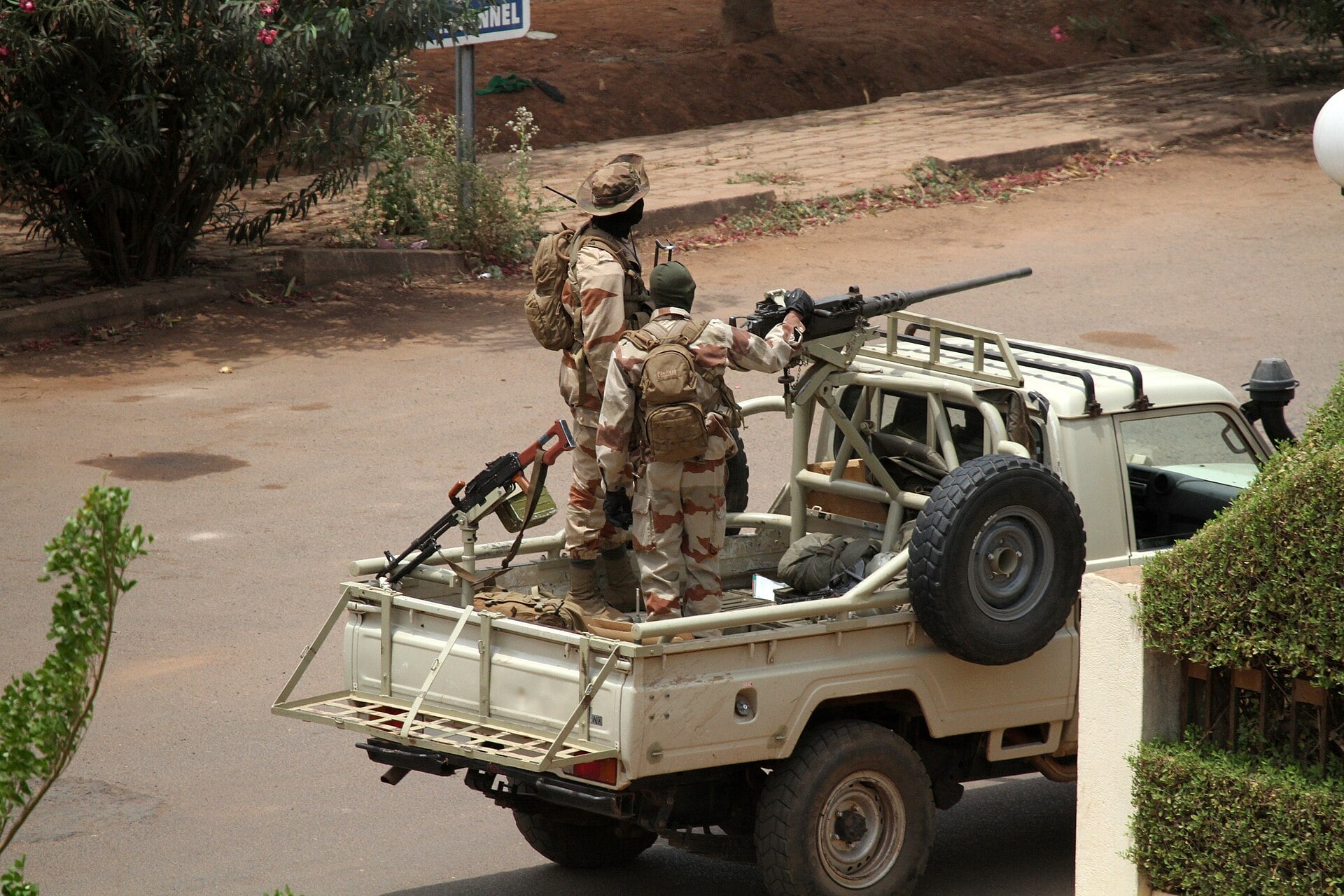
On April 25, a synchronized assault unfolded across Mali, marking a turning point in the nation’s prolonged instability. Islamist fighters and Tuareg separatists launched simultaneous strikes on military bases and critical urban centers, seizing control of Kidal—a northern stronghold—and exposing Bamako to unprecedented threats. For the broader Sahel region, particularly Algeria, the pressing question is no longer about Mali’s fragility but whether any power can reverse its collapse.
The Junta’s Strategic Missteps
The current crisis in Mali stems directly from the junta’s post-2021 decisions. After ousting French troops and dismantling the UN’s MINUSMA mission, Colonel Assimi Goita’s military government turned to Russia’s Wagner Group—now operating under state control—for security. Critics warned this pivot would create a dangerous security void. The junta dismissed these concerns as foreign interference, but the April offensive proved their fears justified.
Far from delivering on its promises, Wagner’s presence has proven ineffective. The group’s expulsion from Kidal, a historic hub of Tuareg resistance, exposed its limitations. Instead of crumbling under Russian firepower, militants demonstrated adaptability, coordination, and resilience. The junta gambled away French logistical support and regional expertise in exchange for an inadequate alternative.
A particularly alarming development is the alliance between Islamist factions and Tuareg separatists, historically divided. Their united front signals a shared belief in the junta’s vulnerability. And they may be right.
Algeria’s Borderline Crisis
Algeria faces the most immediate fallout from Mali’s collapse. The country shares a vast, porous southern border with Mali, a route long exploited for arms trafficking, drug smuggling, and militant movements. Algerian authorities know all too well that unchecked crises do not respect frontiers—they spread.
Algeria once positioned itself as the Sahel’s key mediator, brokering the 2015 Algiers Peace Agreement to end hostilities between Bamako and Tuareg groups. But that accord unraveled in early 2024 when the junta formally withdrew, a move Algeria viewed as a deliberate snub. Relations worsened further in March 2025 after Algerian forces intercepted a Malian drone near the border, sparking a diplomatic rift with Bamako and its allies in Burkina Faso and Niger—all members of the Russia-aligned Alliance of Sahel States.
Now, Algeria stands diplomatically isolated, powerless to influence Mali’s fate despite its high exposure. A junta hostile to Algiers holds the reins, and the absence of dialogue leaves no clear path forward. Yet Algeria cannot afford to ignore the consequences: militant sanctuaries along its southern border pose an existential threat to its internal security.
Foreign Minister Ahmed Attaf recently reaffirmed Algeria’s stance, condemning terrorism and reaffirming support for Mali’s territorial integrity. But declarations alone cannot restore a broken diplomatic channel.
America’s Absence Fuels Instability
The Sahel’s deterioration is also a story of American disengagement. Under pressure from pro-Russian governments in the region, the U.S. scaled back its counter-terrorism efforts in West Africa without offering a coherent alternative. The result? A power gap filled by Russian military contractors on one side and Islamist groups on the other, who now provide governance, taxation, and recruitment in areas abandoned by the state.
The lesson Mali is teaching is clear: sustained military partnerships, intelligence collaboration, and counter-terrorism pressure are not optional luxuries—they are the foundation of regional stability. When they vanish, the void is not left empty. It is filled.
Possible Futures for Mali
Three potential outcomes now loom over Mali. The junta could negotiate with Tuareg factions, halting military losses at the cost of significant territorial concessions. Alternatively, it could escalate its reliance on Russian air and ground support to contest the north, though success is far from guaranteed. A third scenario involves continued tactical retreats while the junta insists on its legitimacy—until Bamako itself becomes a battleground.
Algeria watches all three paths with growing dread. The Sahel’s collapse is no longer a distant threat. It is unfolding on Algeria’s doorstep.

 Boureima Amadou