Mariama Hamani
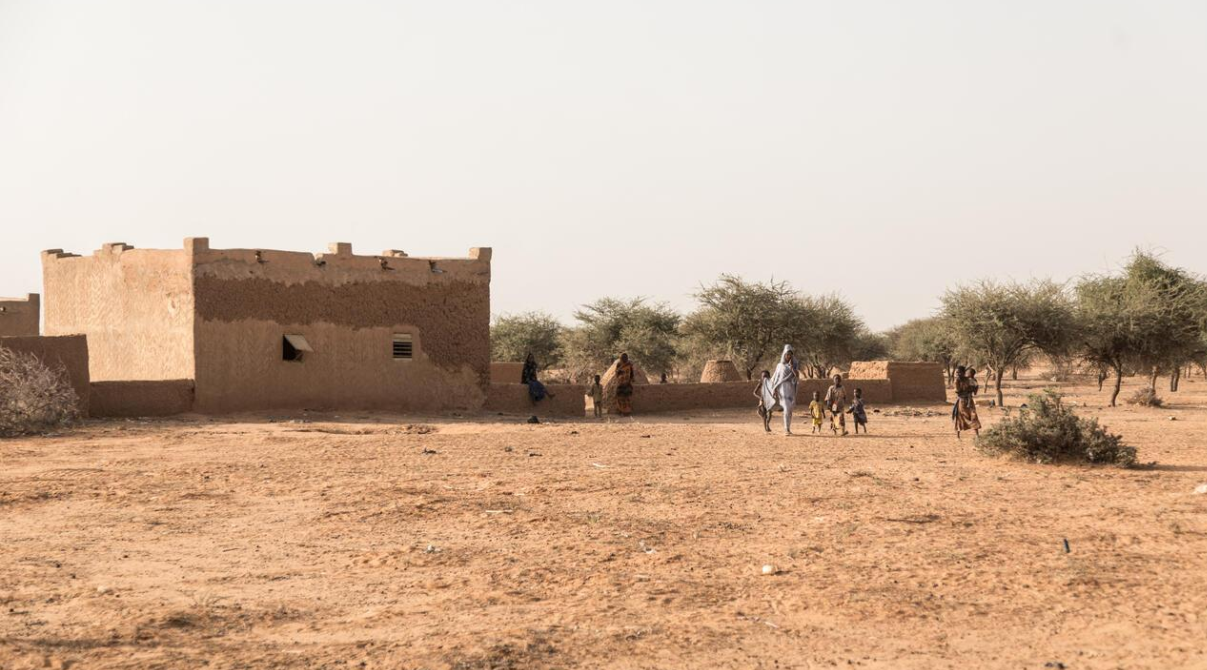
The Sahel is witnessing a disturbing surge in hostility toward human rights defenders, as civic freedoms deteriorate at an alarming rate. Governments in the region are increasingly resorting to systematic repression, silencing dissenting voices and eroding fundamental liberties essential for democracy.
regional report exposes coordinated repression tactics
On February 20, 2025, the Observatoire pour la protection des défenseurs des droits humains—a joint initiative of the International Federation for Human Rights (FIDH) and the World Organisation Against Torture (OMCT)—released a landmark report titled “Civic Space and Human Rights Defenders in the Sahel: Regional Convergence of Repression Practices”. The document meticulously documents 61 cases of human rights violations against activists and civil society organizations across Burkina Faso, Mali, Niger, and Chad over the past five years.
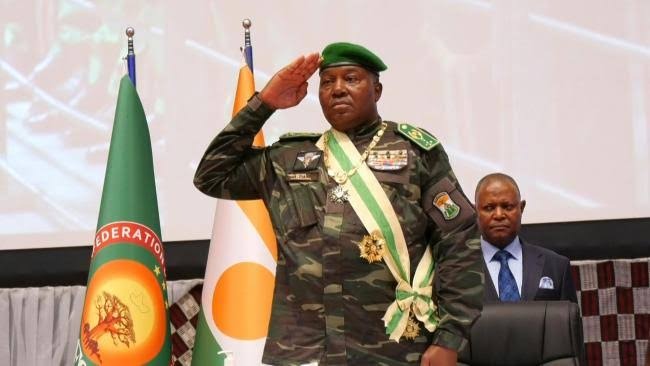
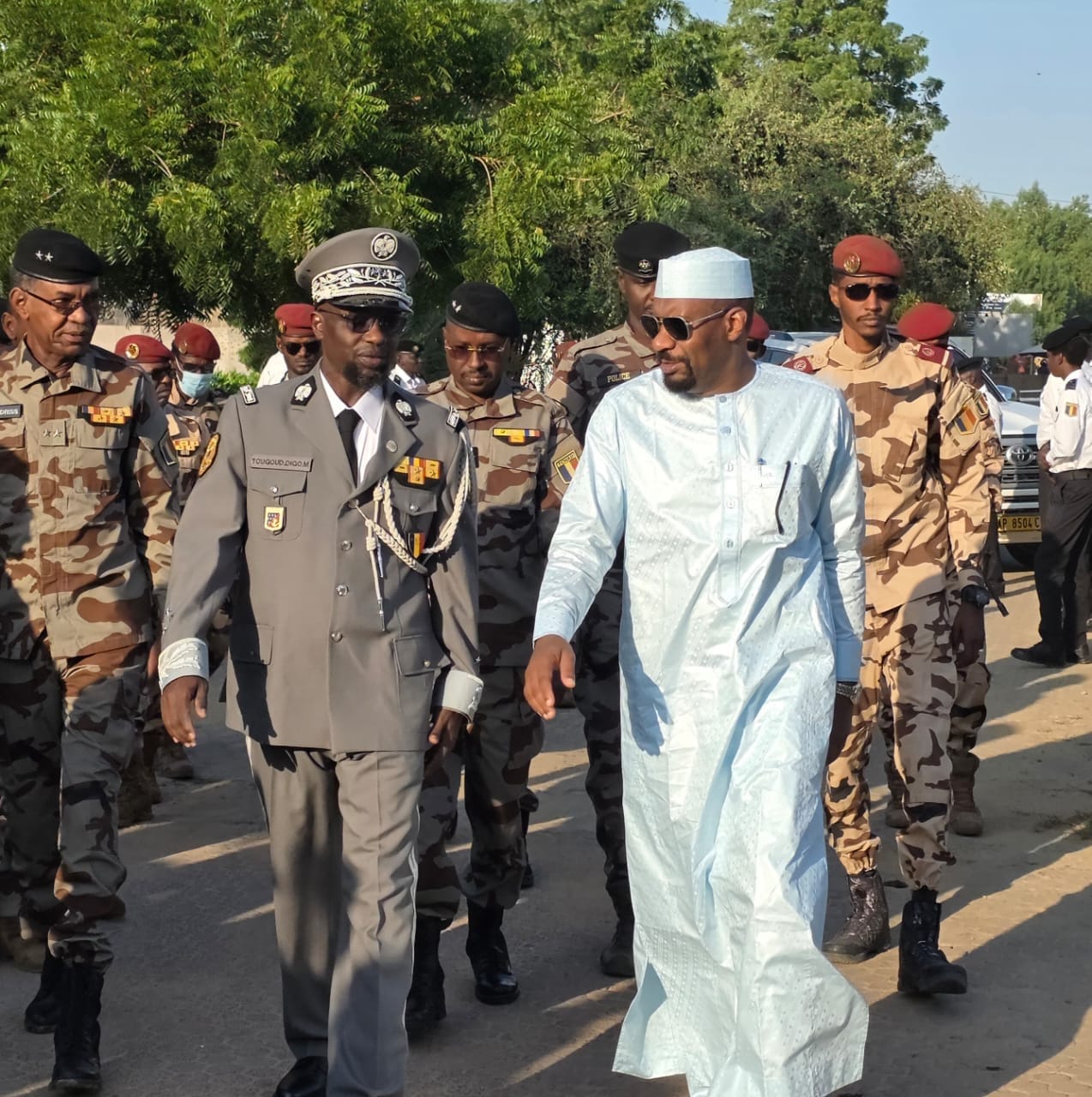
These countries, which have all experienced military-led transitions in recent years, share alarming similarities in their methods of suppression. The report highlights a systematic pattern of tactics employed to quash opposition, including:
- Arbitrary arrests and detentions without due process
- Judicial harassment through baseless prosecutions and prolonged legal proceedings
- Enforced disappearances and kidnappings targeting activists
- Physical and psychological torture in detention centers
- Digital repression through online harassment, surveillance, and smear campaigns
governments weaponize legal and administrative measures
The report underscores how authorities in these nations are not only using overt violence but also legal and administrative tools to dismantle civil society. Key strategies include:
- Banning protests and violently dispersing demonstrations
- Dissolving independent associations under pretexts of national security
- Censoring and suspending media outlets that criticize government actions
- Imposing restrictive laws that criminalize legitimate activism
These measures flagrantly violate both regional agreements—such as the African Charter on Human and Peoples’ Rights—and international obligations that these governments have voluntarily committed to uphold. The erosion of civic space directly undermines efforts to resolve conflicts through dialogue and inclusive governance.
voices of alarm from human rights leaders
Drissa Traore, Secretary-General of the FIDH, issued a stark warning: “The detailed documentation of 61 attacks against human rights defenders and civic actors in the Sahel over the past five years reveals an unmistakable trend: authorities in Burkina Faso, Mali, Niger, and Chad are descending into an endless cycle of repression. Yet this cycle must end. These nations must restore the rule of law and democracy, values to which the people of the Sahel remain deeply committed. We owe our full solidarity to those who fight for these principles.”
Gerald Staberock, Secretary-General of the OMCT, echoed this sentiment, stating: “It is high time for Burkinabè, Malian, Nigerien, and Chadian authorities to align their policies with their international obligations and cease their crackdown on civil society. We urge the African Commission on Human and Peoples’ Rights, the United Nations, and international partners to take decisive action to halt the violations of fundamental rights and freedoms in these countries.”
a call for immediate international intervention
The report concludes with a series of urgent recommendations for regional and global stakeholders:
- Restoration of civic freedoms: Governments must immediately lift bans on protests, associations, and independent media.
- Accountability for perpetrators: Perpetrators of human rights violations, including state actors, must be held accountable through fair and transparent judicial processes.
- Protection of defenders: Enhanced security measures and legal safeguards must be implemented to protect activists from harassment, intimidation, and violence.
- Regional and international solidarity: The African Union and the UN should apply diplomatic pressure and provide support to civil society organizations operating in high-risk environments.
The findings of this report serve as a critical reminder of the fragility of democracy in the Sahel and the urgent need for concerted action to safeguard the rights of those who defend them. Without immediate intervention, the region risks further descent into authoritarianism, with devastating consequences for millions of civilians.

 Boureima Amadou