Mariama Hamani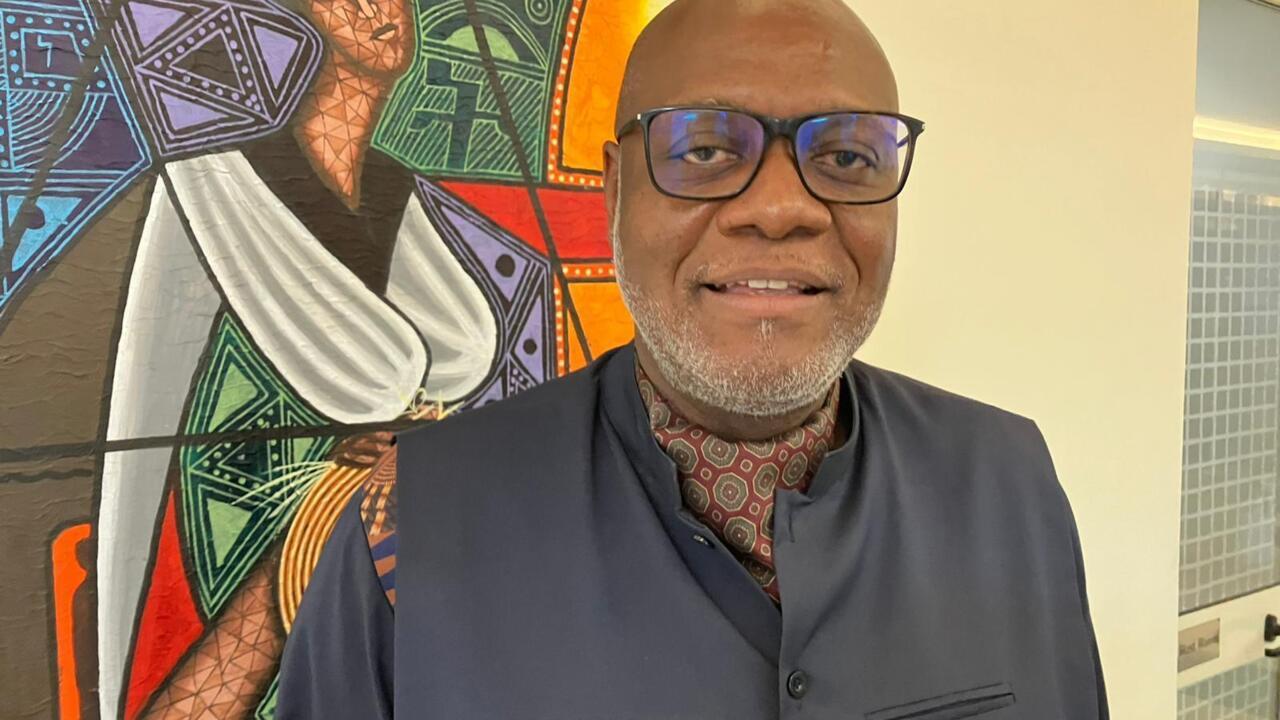
The 39th African Union summit concluded with a bold declaration: silencing the guns and vowing to reject unconstitutional power shifts. But how credible is this commitment when those responsible for coups are later permitted to run in elections?
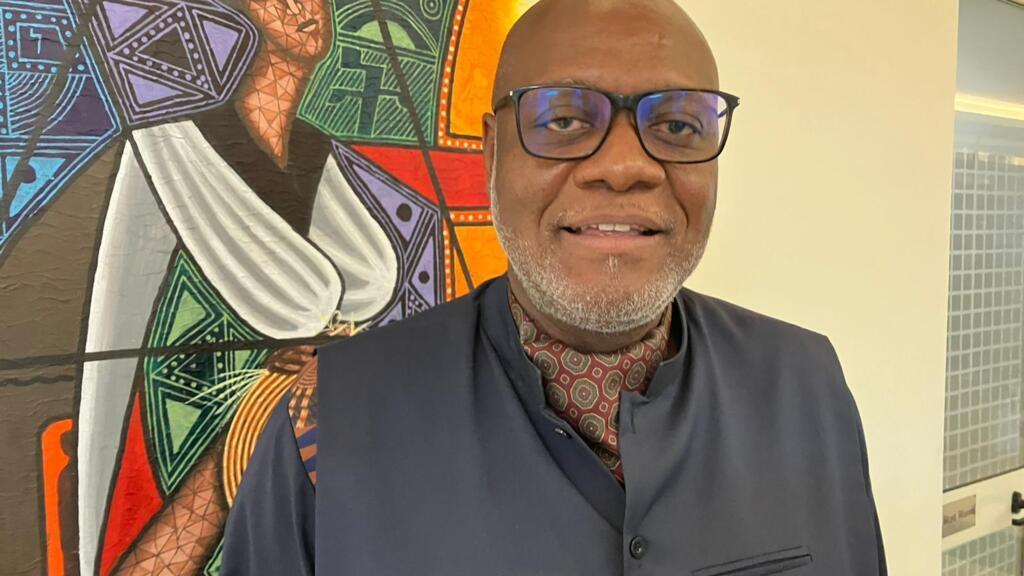
This contradiction was the focus of Paul-Simon Handy’s remarks during a recent discussion. As the Regional Director for the Institute for Security Studies (ISS) in East Africa, he attended the summit in Addis Ababa and raised critical questions about the AU’s stance on electoral processes following military takeovers.
Can the AU’s zero-tolerance policy for unconstitutional power grabs hold?
The African Union’s silence the guns initiative aims to eradicate unconstitutional regime changes across the continent. Yet, the persistent issue of coup leaders transitioning into elected leaders poses a significant challenge to this goal. Paul-Simon Handy argues that this trend undermines the AU’s credibility and sends mixed signals about its commitment to democratic principles.
During the summit, delegates adopted a firm resolution: no tolerance for unconstitutional power shifts. However, Handy questioned whether this declaration aligns with reality, particularly when individuals involved in coups later participate in elections and secure leadership roles.
In his analysis, Handy highlighted the tension between the AU’s stated objectives and the actions of its member states. While the union publicly condemns coups, some governments still allow former coup leaders to run for office, raising concerns about selective enforcement and the prioritization of political stability over democratic integrity.
What does this mean for Africa’s democratic future?
The implications are far-reaching. If the AU permits coup leaders to regain legitimacy through elections, it risks normalizing unconstitutional power grabs. This could embolden future coup plotters, who may see elections as a viable path to power rather than a deterrent.
Handy emphasized that the AU must go beyond declarations and implement measures that prevent coup leaders from participating in elections. Without such safeguards, the union’s efforts to silence the guns and uphold democratic norms will remain incomplete.
Regional perspectives on governance and stability
Handy’s insights shed light on the broader challenges facing African governance. The continent has made strides in promoting democracy, but the recurrence of coups and the subsequent electoral participation of their leaders highlight systemic weaknesses. Addressing these issues requires not only political will but also stronger institutional frameworks to ensure accountability and prevent unconstitutional transitions.
As the AU continues to refine its strategies, the debate over how to handle coup leaders in electoral processes remains unresolved. The union’s ability to reconcile its zero-tolerance policy with the realities on the ground will determine its effectiveness in fostering lasting peace and democratic governance across Africa.


 Boureima Amadou