Mariama Hamani
French health authorities have called on nearly 500 dental patients in Orléans to undergo urgent HIV and hepatitis B and C testing after a critical sterilisation failure at a local clinic. The move marks a decisive turning point in infection control oversight, prompting broader questions about hygiene standards in dental practices—both in France and across Africa.
The decision follows a routine inspection by regional health officials, which uncovered severe lapses in sterilisation procedures at the clinic. Key failures included the use of a defective sterilisation device, improper instrument packaging, and inadequate record-keeping of sterilisation cycles. In response, the clinic’s operations have been suspended, and patients who received treatment in August 2026 are being notified of the need for testing as a precautionary measure.
Why sterilisation failures put patients at risk of bloodborne infections
Dental instruments that come into contact with blood and saliva must undergo rigorous sterilisation to eliminate pathogens such as HIV, hepatitis B, and hepatitis C. When these protocols fail, residual biological contamination can persist, exposing subsequent patients to serious health risks.
While the risk of transmission in this case is considered low, health officials have emphasised that the precaution is necessary to rule out any potential exposure. Unlike single-use items, reusable dental tools require meticulous cleaning and sterilisation—a process that must be verified through regular testing and documentation. The breakdown at the Orléans clinic highlights how quickly a minor procedural lapse can escalate into a public health concern.
Lessons for dental hygiene standards in Africa
The Orléans incident serves as a stark reminder that dental infection control remains a pressing issue globally. While not all dental facilities in Africa face the same challenges, studies have revealed systemic gaps in sterilisation practices, particularly in resource-limited settings.
Research in Cameroon, for example, has shown that many dental professionals lack proper training in infection prevention, while clinics often struggle with outdated equipment and inconsistent monitoring. The consequences are far-reaching: inadequate sterilisation doesn’t just risk individual patient safety—it erodes public trust in healthcare systems and undermines efforts to expand access to essential dental care.
To address these risks, experts advocate for stronger regulatory oversight, investment in modern sterilisation technology, and continuous education for dental staff. Without these measures, preventable infections will continue to pose a hidden threat to populations across the continent.
Key challenges in African dental hygiene
- Limited access to sterilisation equipment: Many clinics rely on outdated autoclaves or manual sterilisation methods, increasing the risk of contamination.
- Inconsistent training: Dental professionals may not receive adequate instruction on infection control protocols.
- Poor regulatory enforcement: Weak monitoring systems allow substandard practices to persist unchecked.
- Financial constraints: Underfunded facilities often prioritise cost over safety, leading to shortcuts in sterilisation procedures.
How patients can protect themselves before dental procedures
While the responsibility for sterilisation lies with dental providers, patients can take proactive steps to safeguard their health. Before undergoing any dental treatment, consider the following precautions:
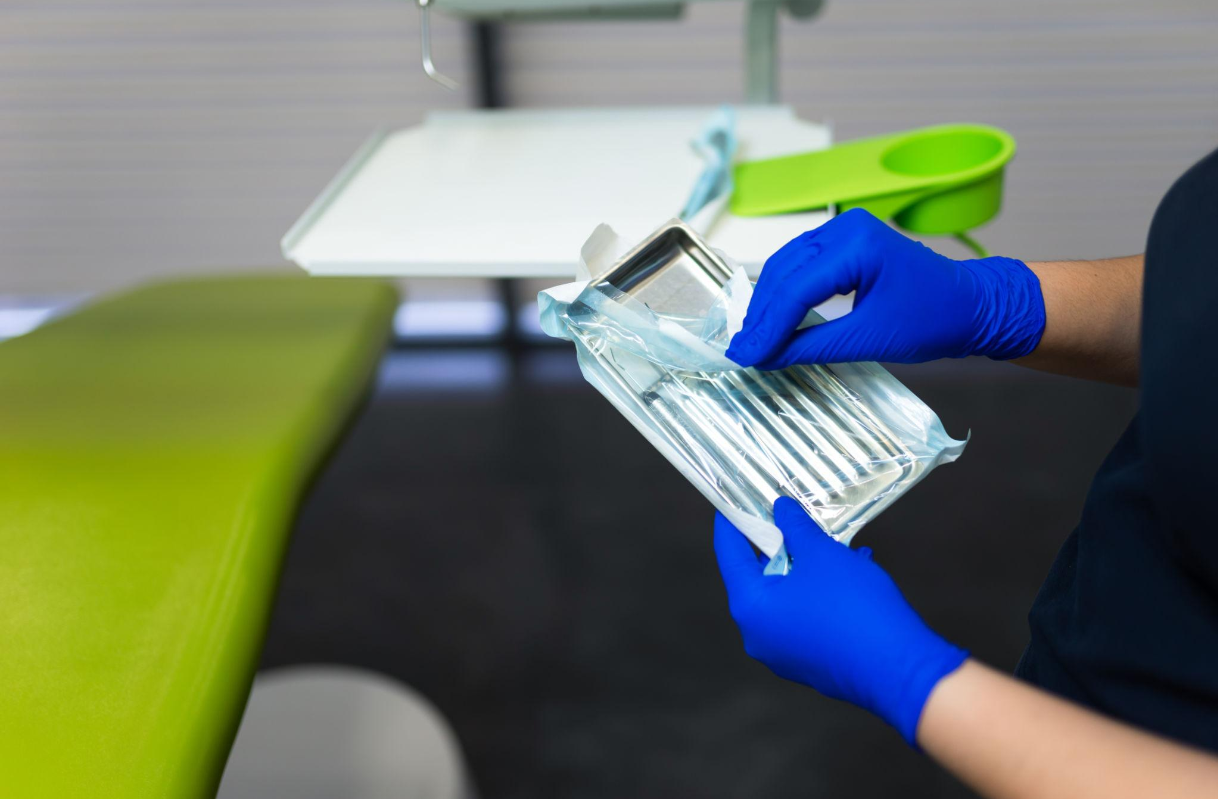
- Observe hygiene practices: Ensure the dentist washes their hands, wears fresh gloves for each patient, and opens sterilised instruments in front of you.
- Verify single-use items: Confirm that needles, syringes, and other disposable tools are never reused.
- Ask about sterilisation protocols: Don’t hesitate to inquire about how instruments are cleaned, tested, and stored. Transparency is a red flag if the dentist avoids your questions.
- Act immediately after potential exposure: If you suspect you’ve been treated with inadequately sterilised tools, seek medical advice within 48 hours. Early intervention, including post-exposure prophylaxis for HIV, can significantly reduce infection risks.
Building a safer future for dental care
The Orléans sterilisation breach is more than an isolated incident—it’s a wake-up call for the dental industry. Quality care must extend beyond clinical expertise; it must include stringent infection control measures that protect every patient, everywhere.
For African nations, where oral health disparities remain a critical challenge, investing in safer dental practices isn’t optional—it’s essential. By prioritising hygiene standards, training, and technology, governments and healthcare providers can turn this turning point into momentum for lasting change.
The message is clear: sterilisation isn’t just a procedure—it’s a lifeline. And it’s one that no patient should have to question.


 Boureima Amadou