
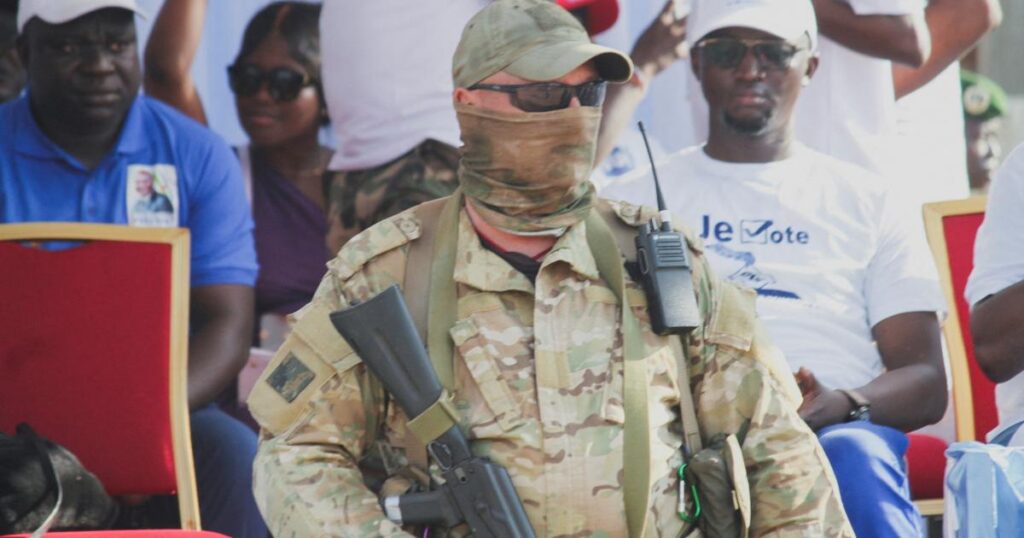
The Russian paramilitary Wagner Group has transformed the Central African Republic into a launchpad for a burgeoning drug empire, with tramadol trafficking injecting fresh momentum into its operations. Once a minor military contractor, Wagner now operates what analysts describe as a “drug cartel” in the heart of Africa, leveraging the country’s instability to expand its influence.
Originally prescribed for mild to moderate pain, tramadol in the Central African Republic is being repackaged and concentrated into a potent opioid. Marketed as a “poor man’s cocaine”, this illicit trade has become a lucrative revenue stream for the mercenary group, overshadowing its traditional gold and diamond mining ventures.
From mines to markets: how Wagner dominates the trade
The Central African Republic offers Wagner an ideal environment—rich in gold, diamonds, and strategic minerals, yet overlooked by Western governments. The group controls key mining sites, generating an estimated $180 million (€160 million) in annual profits from illicit mineral exports, according to independent research. These operations are complemented by a thriving tramadol trade, smuggled in from the Democratic Republic of Congo via river routes before flooding local markets.
Wagner’s reach extends beyond commerce. The group supplies tramadol to elite presidential guards, pro-government militias like the ‘Sharks’, and even opposition crackdown units—allegedly to “bolster combat morale.” This dual strategy of drug distribution and state capture underscores Wagner’s evolving role from mercenary force to de facto power broker in the region.
Expansion risks and regional spillover
Security analysts warn that Wagner’s tramadol trade could serve as a gateway to destabilizing neighboring Sudan. Close ties with the Rapid Support Forces (RSF), which operate near the Central African Republic border, raise concerns about a potential spillover of Wagner’s drug-fueled tactics into Sudan’s conflict zones.
Despite setbacks—including leadership changes following the death of founder Yevgeny Prigozhin in 2023—Wagner’s presence in Bangui remains robust. With around 500 fighters under the command of Prigozhin’s son, Pavel, the group continues to exploit the country’s porous borders, weak governance, and high demand for stimulants among combatants and civilians alike.

More Stories
Niger’s leader faces rift with special forces after Russian involvement
Crise au Niger, accord FMI-Sénégal, bataille électorale au Maroc… Les 5 infos qu’il ne fallait pas manquer
Ten years after the raid on Jean Ping’s headquarters, victims in Gabon still demand justice