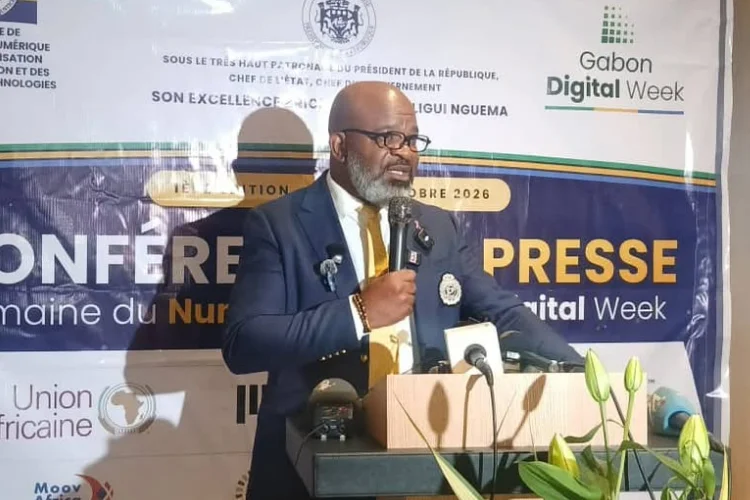
Gabon harnesses mining wealth to boost local economy

Libreville — For generations, African extractive economies have grappled with a persistent paradox: abundant underground wealth flows abroad while local value addition, skilled jobs, and industrial opportunities vanish overseas. Gabon is now determined to shatter this long-standing cycle.
The country’s economic transformation hinges on a bold new strategy centered on local content. Under the leadership of the Minister of Entrepreneurship, SMEs, and Youth Entrepreneurship, Zénaba Gninga Chaning, policymakers, private sector leaders, financial institutions, and mining operators have launched a comprehensive initiative to redefine the nation’s economic trajectory.
For Comilog and Eramet, this isn’t just about compliance—it’s about reimagining mining’s role in Gabon’s future. The goal? To convert mineral wealth into national expertise, competitive businesses, skilled employment, and shared prosperity.
The shift isn’t merely about extracting ore—it’s about ensuring that an ever-growing share of the value generated stays within Gabon’s borders, directly benefiting its people.
Moving beyond traditional extraction
The local content model is reshaping economic debates across resource-rich nations. At its core, the concept demands that every mining investment fuels the growth of domestic enterprises, local skills, and homegrown industries. Yet translating this vision into reality requires more than assigning contracts to national firms—it requires nurturing future champions capable of innovation, export growth, and regional expansion.
A recent strategy session highlighted persistent barriers hobbling Gabonese SMEs: restricted access to financing, cumbersome administrative hurdles, unclear market opportunities, certification gaps, and a shortage of specialized expertise. Participants also stressed the need for improved business environments and stronger collaboration between government agencies, corporations, banks, training centers, and industry associations.
Building an ecosystem, not just a market
What sets Gabon’s approach apart is its commitment to co-creation. Drawing from Design Thinking principles, the initiative prioritizes grassroots solutions over top-down mandates. Stakeholders—including public agencies, financial institutions, microfinance bodies, professional groups, and training providers—have joined forces to design a system where local content thrives on quality, safety, competitiveness, and governance.
Human capital emerges as the linchpin. Technical training, professional certification, mentorship, skills transfers, and SME professionalization form the invisible backbone of economic sovereignty. Without massive investment in national talent, local content policies will struggle to take root.
Early progress and future ambitions
Comilog’s latest data reveals promising signs. The company now works with 780 local suppliers and service providers, 75% of which are Gabonese-registered firms. Over 37% of its procurement—nearly 56.8 billion CFA francs—stays within the national economy, while subcontracting activities support over 3,000 direct jobs. These figures underscore real momentum, though they remain modest compared to Gabon’s mining potential.
The road ahead demands scaling up: deeper wealth retention, stronger SMEs, thousands of new skilled jobs, a fortified workforce, and enduring public-private partnerships. Local content is no longer just an industrial policy—it’s a national economic transformation project.
In a global landscape where critical minerals drive geopolitical power, tomorrow’s leaders won’t be defined by extraction volumes alone. They’ll be the nations that transform raw resources into enterprises, expertise, technology, and lasting prosperity. Gabon appears determined to join this new breed of economies.

Boureima Amadou
Journalist
Boureima Amadou
- News
- October 23, 2026
- 35 views
Benin’s decisive shift: how bold reforms catapulted it into the global economic freedom top 100
In a landmark breakthrough, Benin has secured the 99th global position and 11th African rank in the 2026 Economic Freedom of the World Index, published by Canada’s Fraser Institute. This…
- News
- October 23, 2026
- 36 views
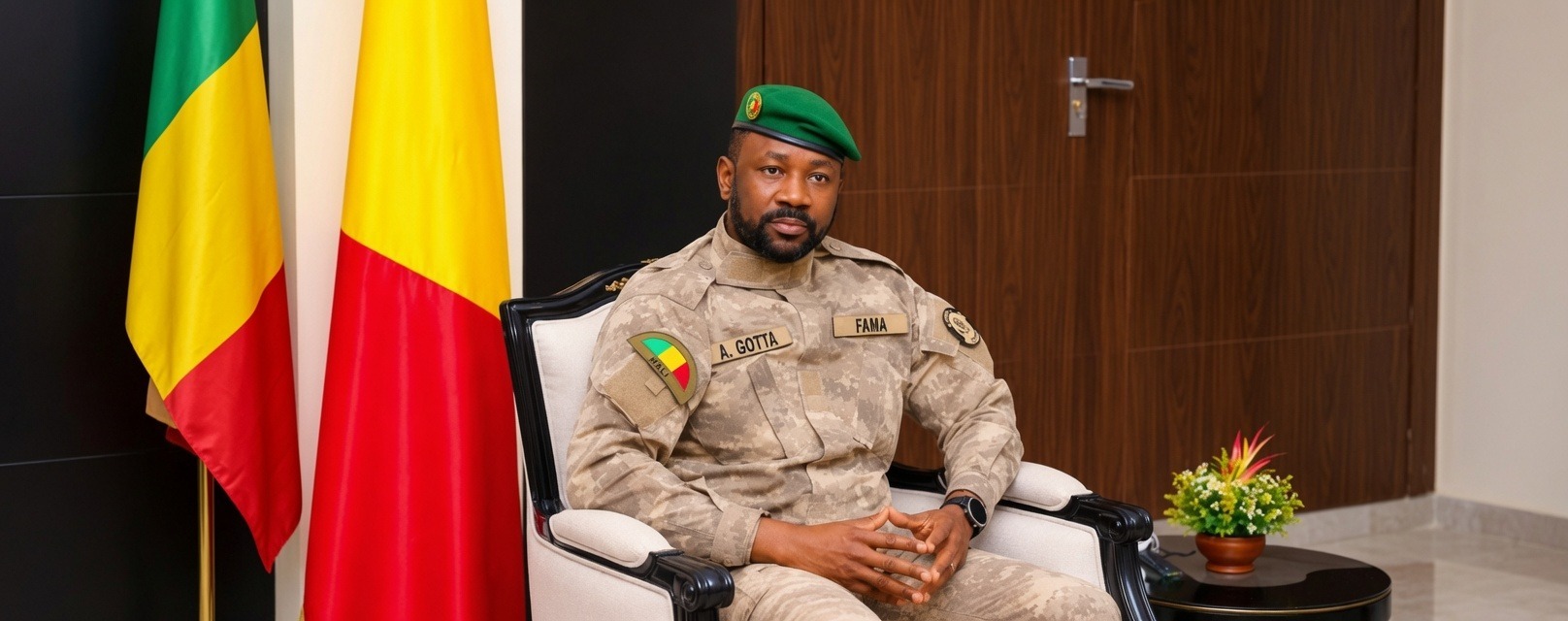
Mali’s military at a decisive crossroads: stolen arms and desertions fuel internal collapse
The Malian transitional authorities have long touted the growing strength of the Malian Armed Forces (FAMa) and their sovereign control over the territory. Yet the opening of the Military Tribunal…