
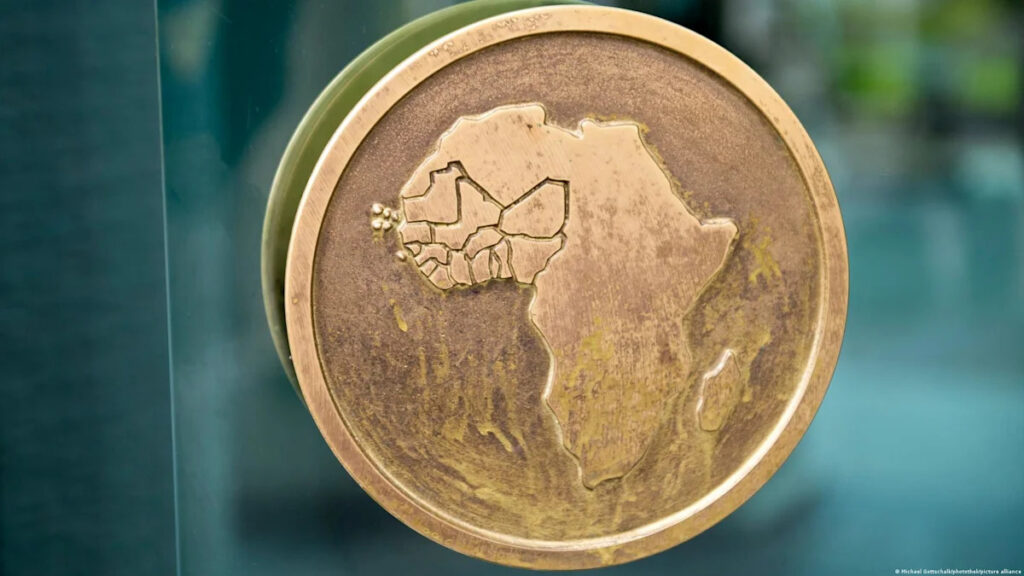
West African leaders grapple with Cédéao’s future amid Sahel alliance absence
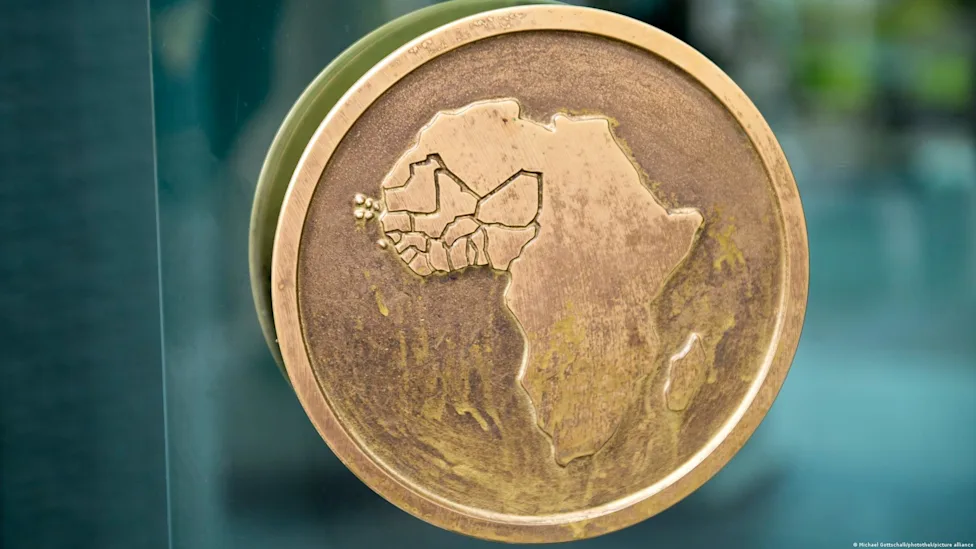
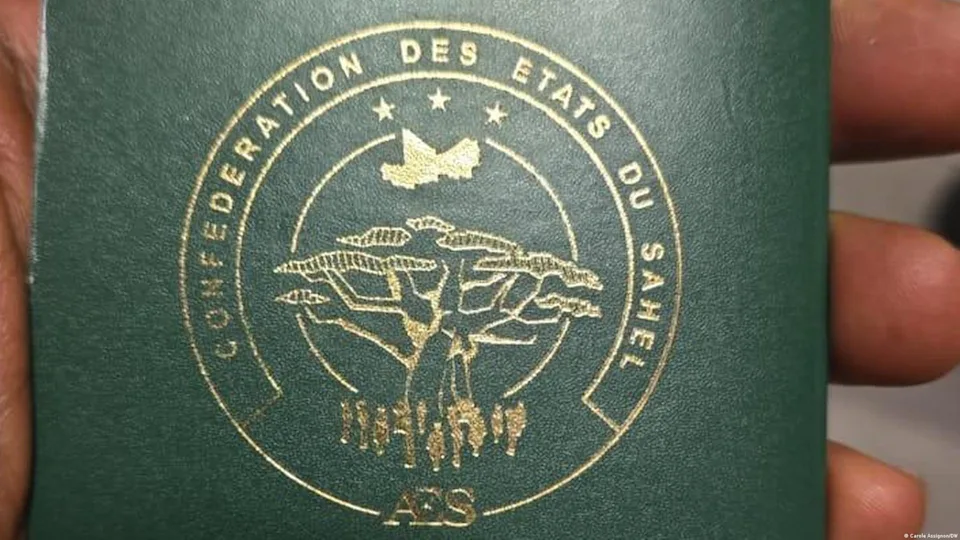
The 69th Economic Community of West African States (Cédéao) summit in Freetown, Sierra Leone, convened at a pivotal moment for the regional bloc. While leaders gathered Sunday, three key members—Niger, Mali, and Burkina Faso—remained absent, having formed their own alliance, the Sahel States Alliance (AES). The exclusion of these nations dominated discussions as delegates sought to revitalize Cédéao’s role and address pressing security challenges.
Reimagining Cédéao without its Sahel members
Beyond the symbolic absence, West African leaders faced a critical question: how to redefine Cédéao’s future after the withdrawal of Mali, Burkina Faso, and Niger, now part of the Sahel States Alliance. While the trio has left the bloc, their geographic and strategic importance cannot be ignored. Delegates emphasized the need to establish dialogue mechanisms to safeguard trade, cross-border mobility, and above all, regional security cooperation against a backdrop of escalating terrorist threats.
The summit also highlighted the urgency of addressing governance reforms and restoring Cédéao’s credibility, which has been undermined by recent political upheavals and coups across the region.
ECOWAS standby force: progress or still stalled?
One long-debated initiative took center stage again: the ECOWAS Standby Force. Promised for years but yet to become fully operational, this regional rapid-response tool is designed to counter terrorism, political crises, and regional instability. Preparatory meetings among ministers and security officials in Freetown underscored growing impatience to expedite its deployment.
Michel Ange Bangoura, Guinea’s coordinator for ECOWAS cooperation, acknowledged the institution’s readiness on paper but stressed the need for concrete action. “All institutional frameworks are in place,” he noted. “The remaining challenge is securing the necessary resources—identifying a host nation and ensuring each member commits at least one company to the force.”
When pressed on a timeline, Bangoura remained optimistic. “Discussions this week will likely lead to a near-term deployment, beginning with the assembly of forces in a designated country,” he concluded.
Security, governance, and climate: the triple threat facing West Africa
Aliou Diakite, an ECOWAS policy analyst, framed the summit’s broader stakes. “Today’s challenges transcend borders: organized crime linked to terrorism, climate-induced crises, post-election instability, and pandemics are reshaping the region’s security landscape,” he said. “These issues demand urgent, coordinated action from heads of state.”
As delegates departed Freetown, one thing was clear: the absence of the Sahel trio may have reshaped the summit’s agenda, but the bloc’s ability to adapt will determine its relevance in a rapidly changing West Africa.
More Stories
Niger: Anatomy of a state narrative to conceal the regime’s fractures
Niger’s leader faces rift with special forces after Russian involvement
Crise au Niger, accord FMI-Sénégal, bataille électorale au Maroc… Les 5 infos qu’il ne fallait pas manquer