Mariama Hamani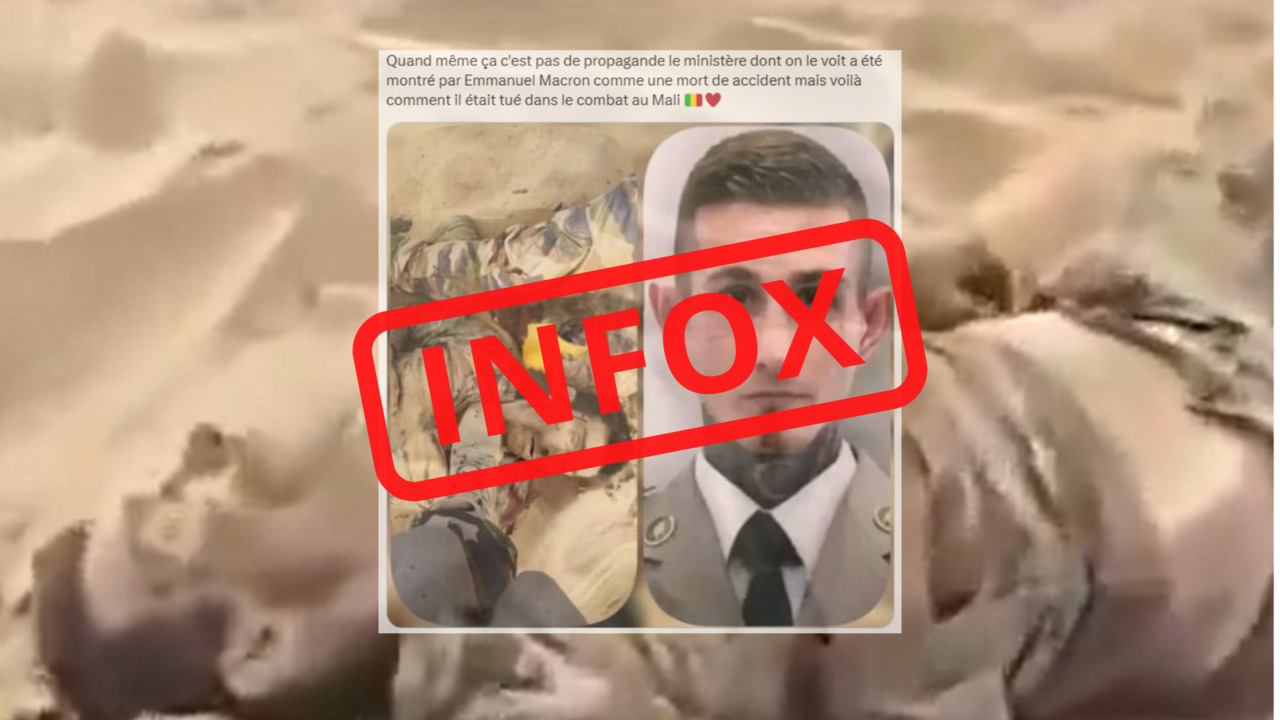
In the wake of intense fighting between Malian forces and terrorist groups in Anéfis from July 4 to 9, a wave of disinformation targeting the French military began circulating online. Despite France’s official withdrawal from Mali in August 2022, false posts attempted to link a deceased French soldier to rebel factions, including the National Movement for the Liberation of Azawad and the Group for Support of Islam and Muslims.
How disinformation unfolded: from rumor to fabricated evidence
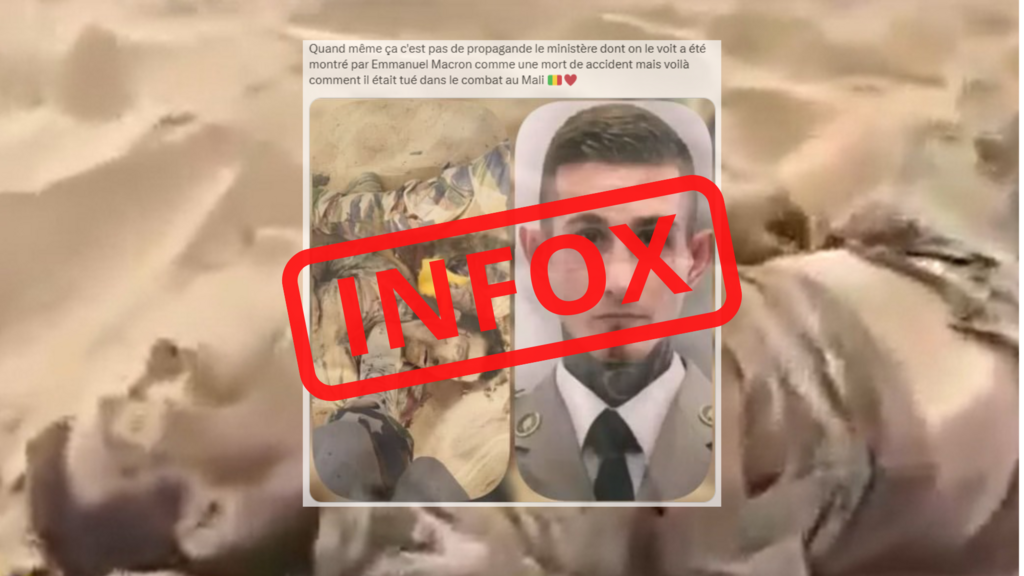
Misinformation first emerged quietly in the aftermath of the heaviest clashes in Anéfis. On July 9, the first misleading post was detected on X (formerly Twitter). It exploited the news of a French soldier’s death during a July 7 training exercise in the French Alps. Sergeant Pena, a Russian-origin legionnaire, had died accidentally in service. Pro-AES accounts seized on this tragedy, claiming unverified reports suggested he may have perished in Anéfis instead.
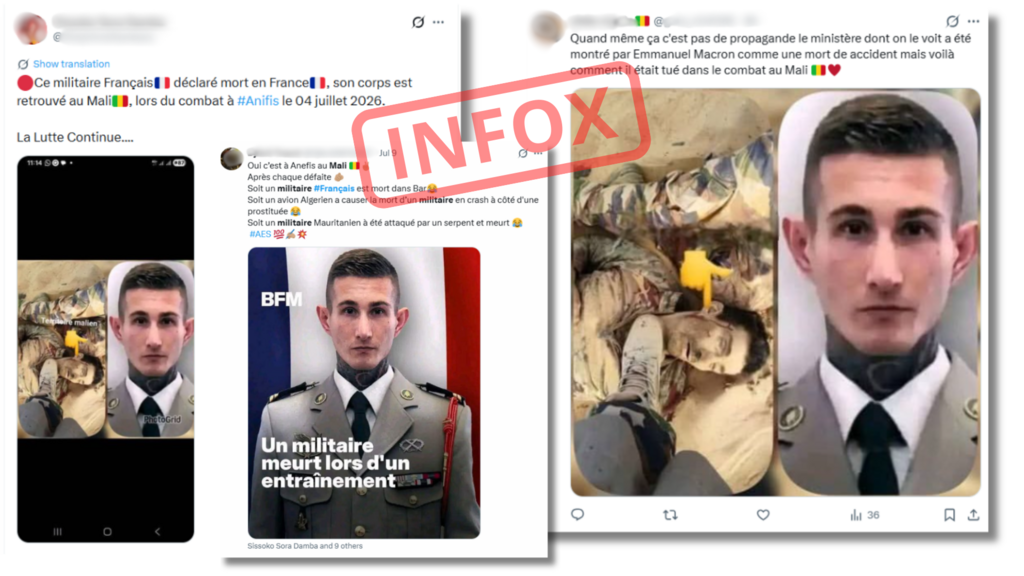
A fabricated image: Wagner mercenary passed off as a French soldier
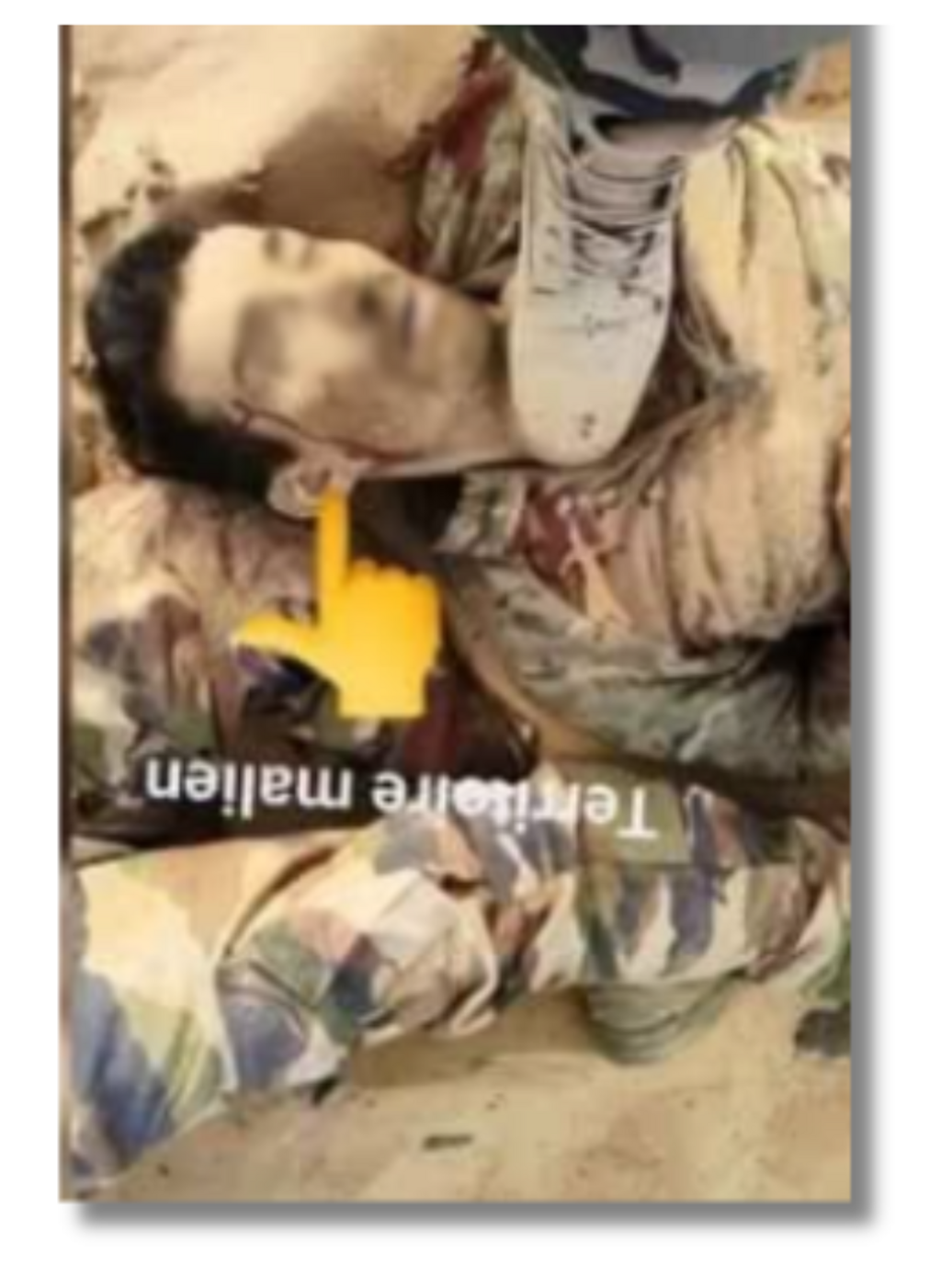
The disinformation campaign escalated the next day with the release of a photo supposedly showing a dead French soldier. The image depicted a white man lying in the sand, resembling the official portrait of Sergeant Pena. By leveraging the legionnaire’s Russian background and a superficial physical resemblance, the propagandists aimed to sow confusion among the public.
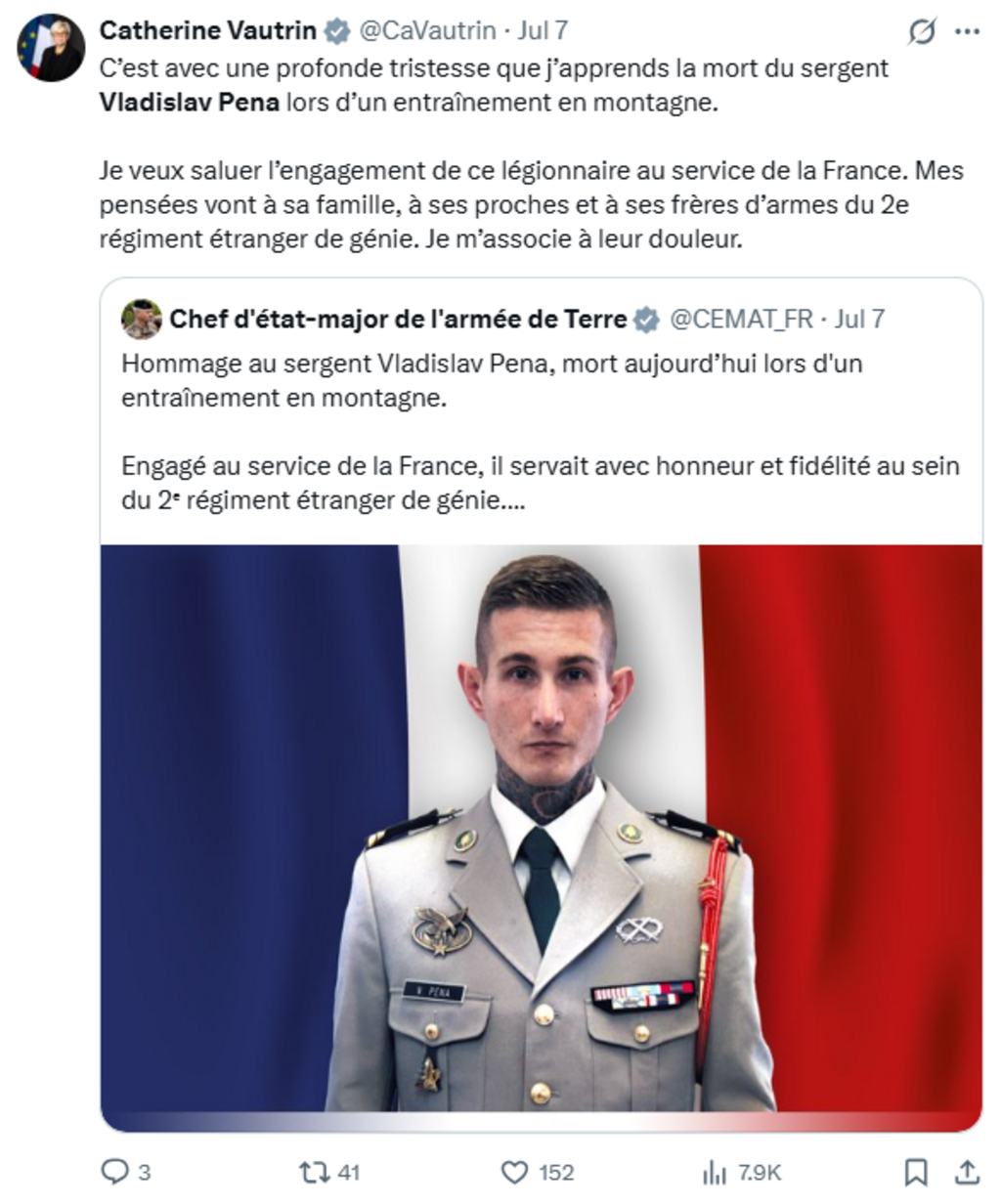
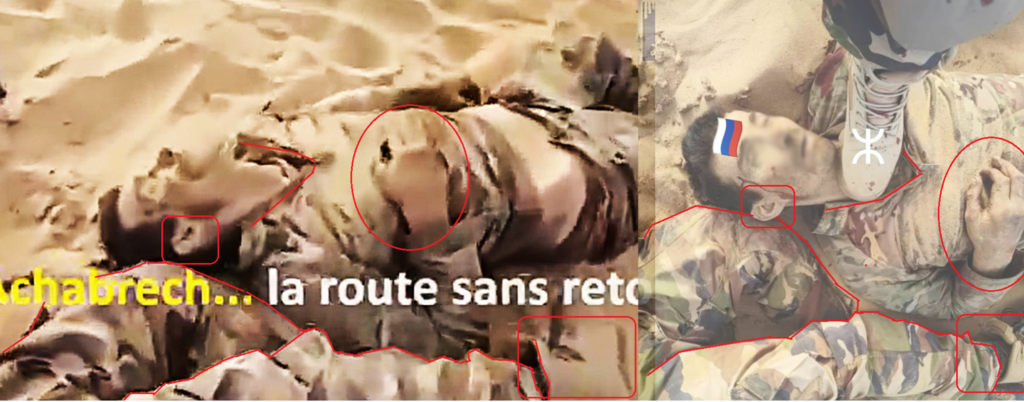
When this macabre image was shared with Sahel specialists, they immediately recognized it as footage from the Tinzaouatène battle, which took place two years earlier in northern Mali. Reverse image searches confirmed the photo matched archival material showing a deceased Russian mercenary, not a French soldier in Anéfis. The image originated from an anonymous forum, where unverified claims often circulate without accountability.
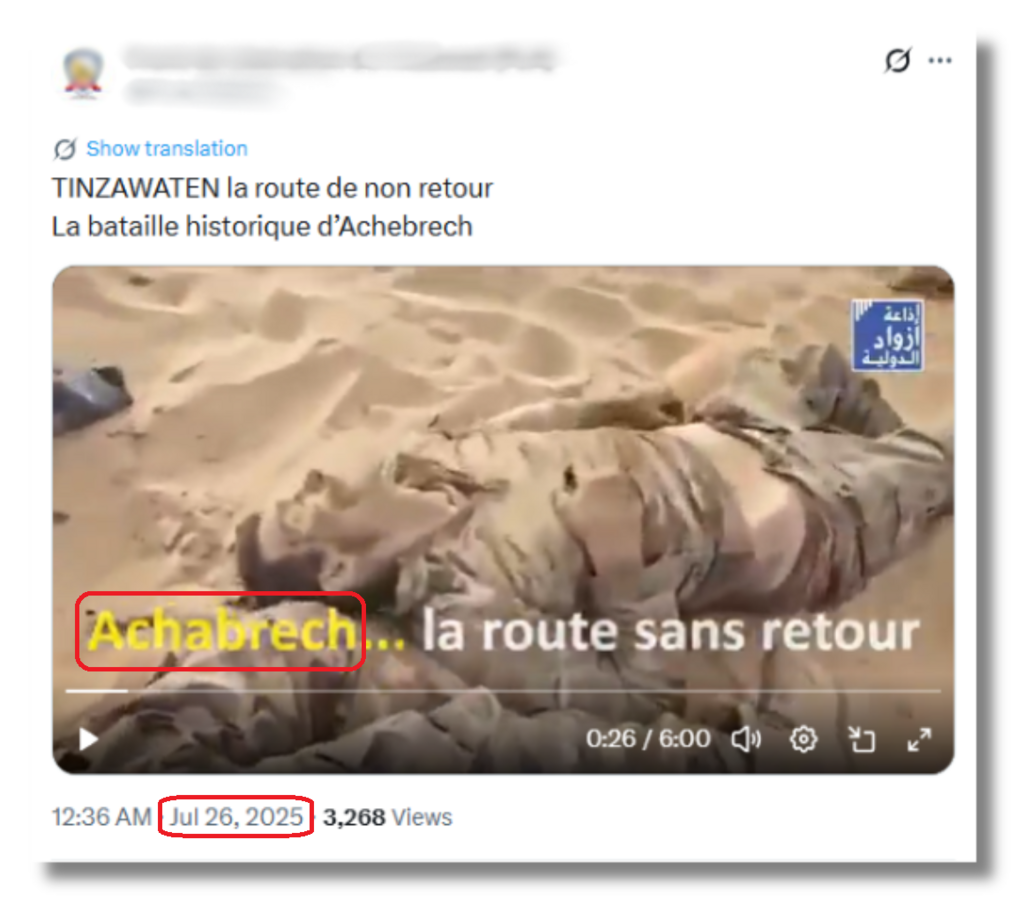
Video evidence: archival footage from 2024
Further analysis of a six-minute propaganda video released by the National Liberation Front of Azawad in 2025 revealed the same body in archival footage alongside other Russian fighters. While the footage was grainy, key details such as body positioning, camouflage patterns, facial features, and hairstyles matched the misleading image.
A failed narrative: disinformation meets public skepticism
This disinformation campaign, built on recycled imagery from 2024, failed to gain traction. The fabricated narrative—suggesting French soldiers are complicit with terrorists—has been circulating for years, but this attempt remained confined to familiar accounts known for spreading Sahelian propaganda. Public reactions included widespread denunciations of the manipulation. The limited reach, with fewer than 50,000 views detected, suggests the narrative is losing its impact, despite years of repetition.
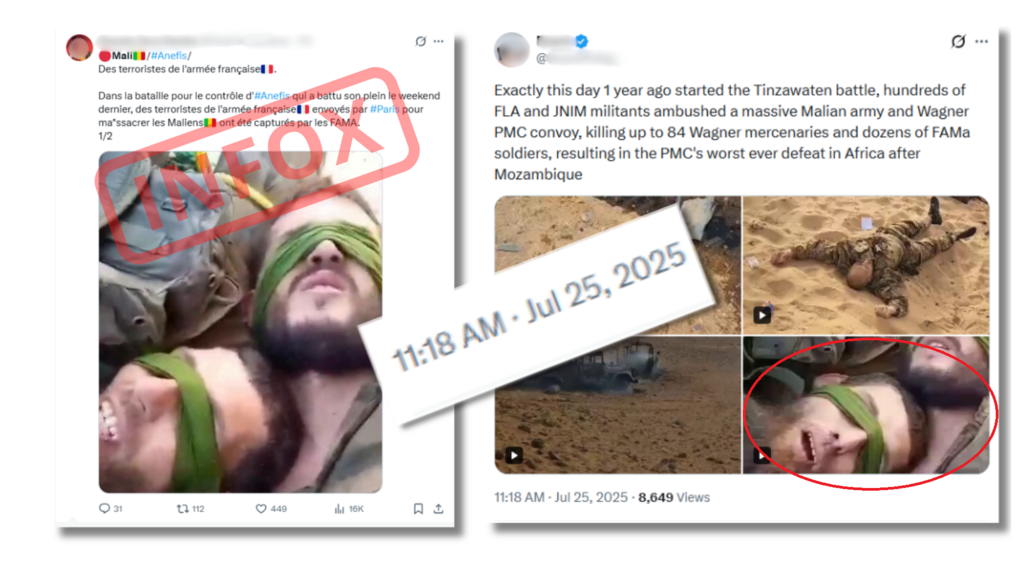
While the misuse of Sergeant Pena’s identity is a serious ethical breach, the attempt ultimately backfired. The disinformation not only failed to gain traction but also highlighted the growing public wariness toward long-repeated false narratives in the Sahel.


 Boureima Amadou