Boureima Amadou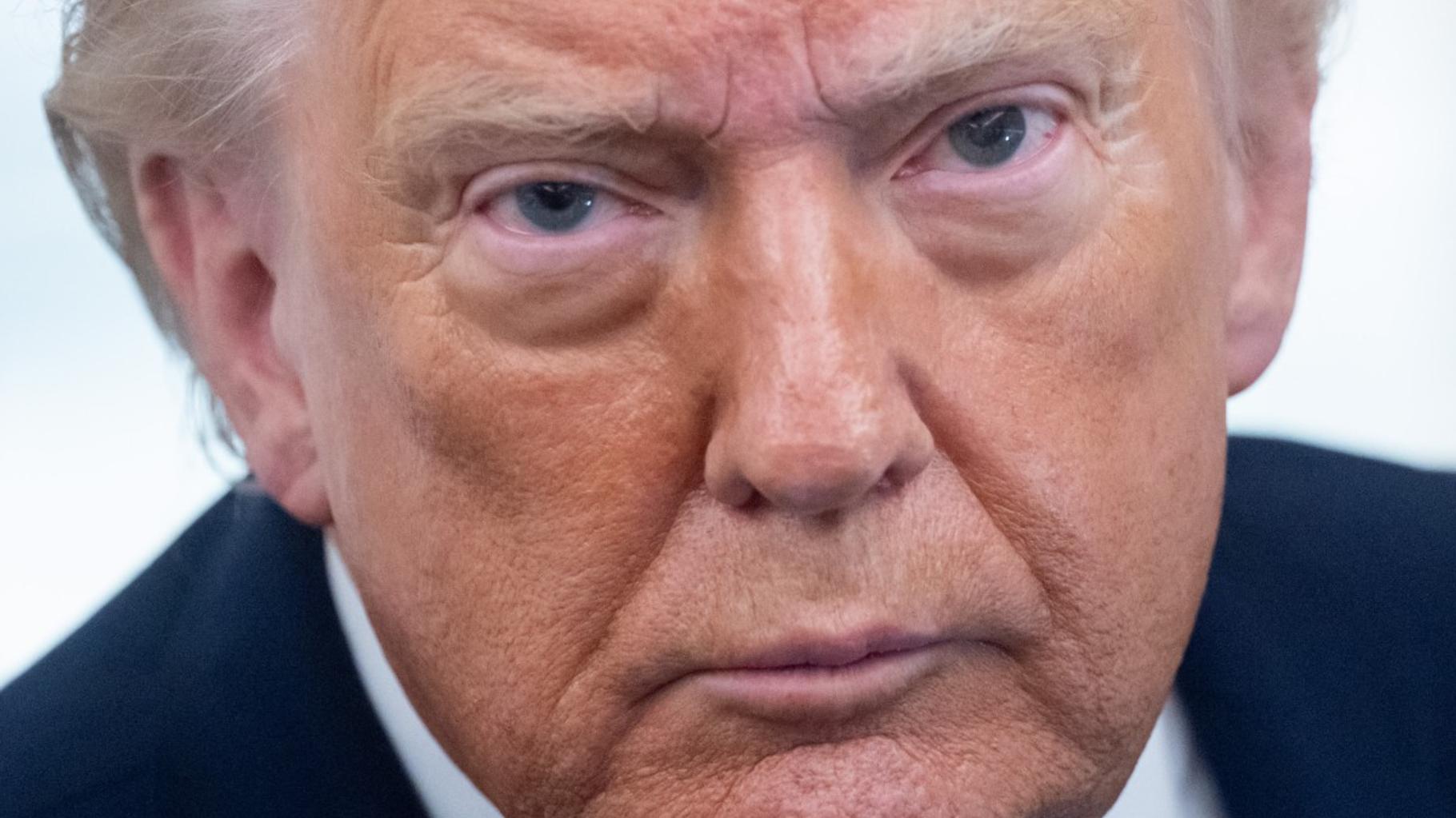
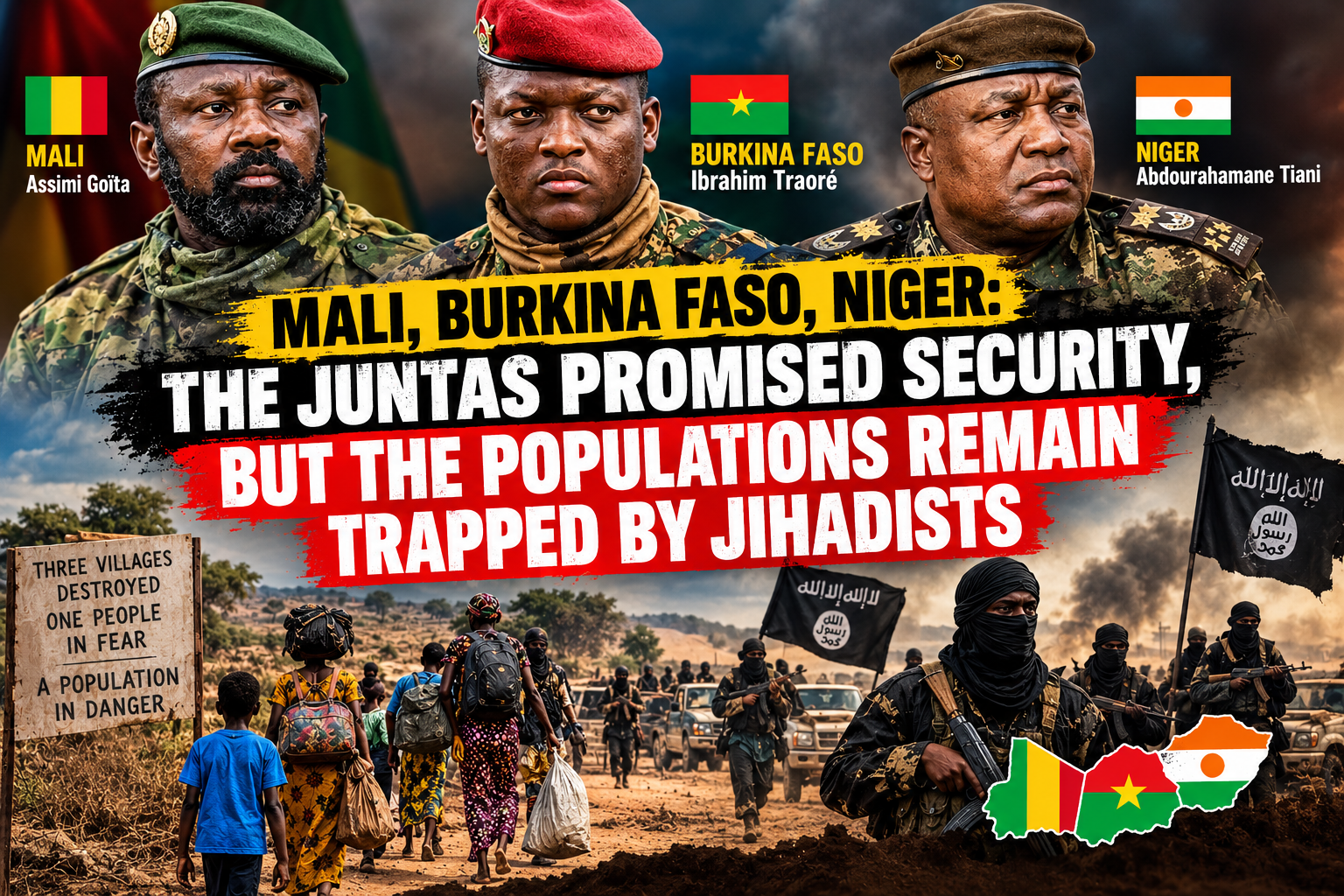
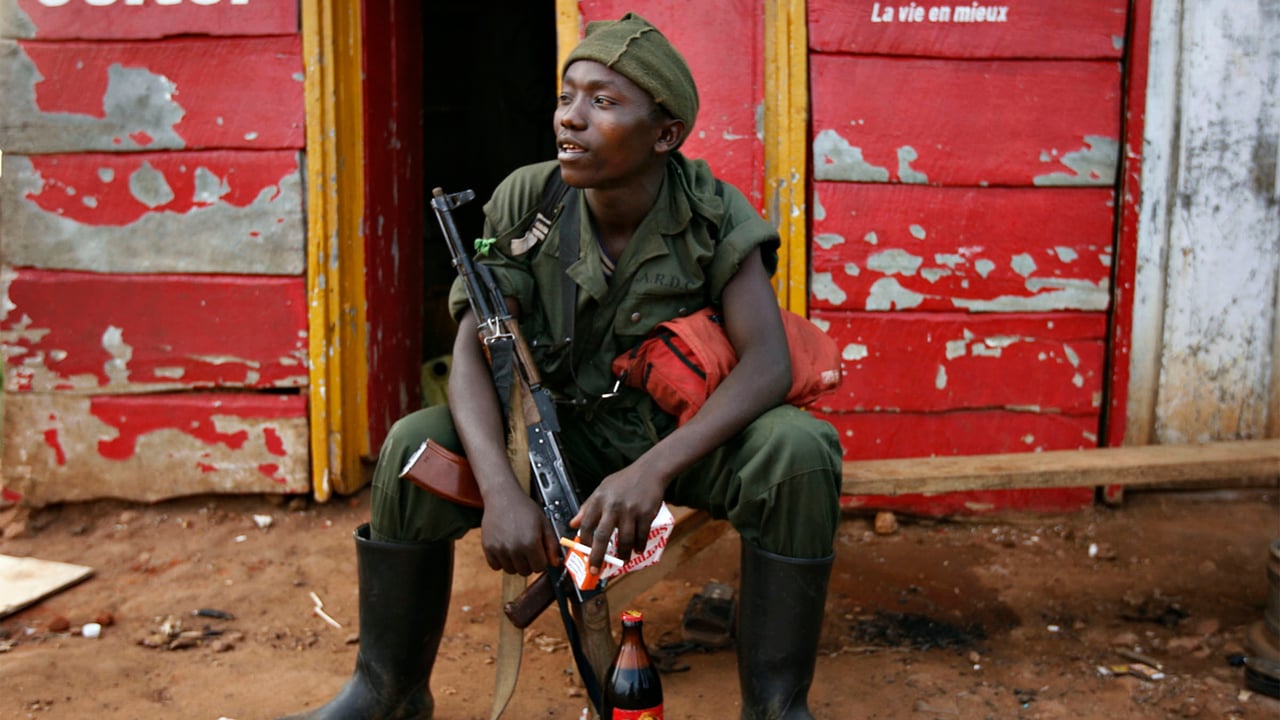
The United States is exploring the possibility of expanding its military operations in West Africa, with Mali emerging as a potential new target. Insiders report that the Trump administration is seriously considering strikes against the Jama’at Nusrat al-Islam wal-Muslimin (JNIM), an Al-Qaeda-linked faction operating across the Sahel region. This development comes four years after France’s military withdrawal from Mali, which followed years of unsuccessful counterterrorism efforts in the country.
While no official decision has been made, discussions within the administration are intensifying. Sebastian Gorka, a counterterrorism advisor on the National Security Council, is reportedly a strong advocate for military intervention. However, other officials remain skeptical about the potential impact of such an operation. If approved, these strikes would mark Mali as the eighth country targeted by US military action since the start of Donald Trump’s second term.
In response to inquiries, the White House has declined to confirm any plans for strikes. A senior administration official did, however, emphasize Washington’s push for African nations—particularly in North and West Africa—to bolster their own counterterrorism capabilities by acquiring US-made equipment and services. The official described the Sahel’s jihadist threat as a «multinational challenge», requiring collective action.
The JNIM has grown into one of the most formidable armed groups in West Africa, with its influence spreading from its Mali base to neighboring coastal states. Analysts warn that the group has only gained strength in recent years as security conditions in the Sahel have deteriorated.
Potential consequences of US intervention
Experts specializing in Sahel affairs have raised concerns about the unintended consequences of US military action. Corinne Dufka, an independent Sahel analyst, cautioned that eliminating JNIM leaders could backfire, potentially undermining efforts to deradicalize and demobilize one of the world’s most sophisticated jihadist organizations.
Others argue that additional strikes may fail to produce lasting changes on the ground. They point to France’s decade-long military presence in the region, followed by five years of Russian involvement, as evidence that sustained foreign intervention has not halted the spread of jihadist groups.
There are also fears that weakening the JNIM could inadvertently benefit rival armed factions, particularly the Islamic State in the Sahel, which has already exploited power vacuums in the region. Additionally, the possibility of escalation with Russian forces stationed in Mali looms large. Russia has offered military support to several African nations, including Guinea, Burkina Faso, and the Central African Republic, though its effectiveness has been widely questioned.
A senior American official commented on this dynamic, stating, «We hope African nations recognize the limitations of Russia’s counterterrorism approach.»


 Mariama Hamani