Boureima Amadou
us sanctions congolese rebel intelligence chief linked to decades of violence
In a long-overdue move, the United States Department of the Treasury imposed sanctions on June 2, 2026, against John Imani Nzenze, a key figure in the military operations of the Rwanda-backed RDF/M23 rebel movement. Nzenze, who serves as the group’s intelligence chief, stands accused of orchestrating a campaign of terror that has plagued eastern Democratic Republic of the Congo for nearly three decades.
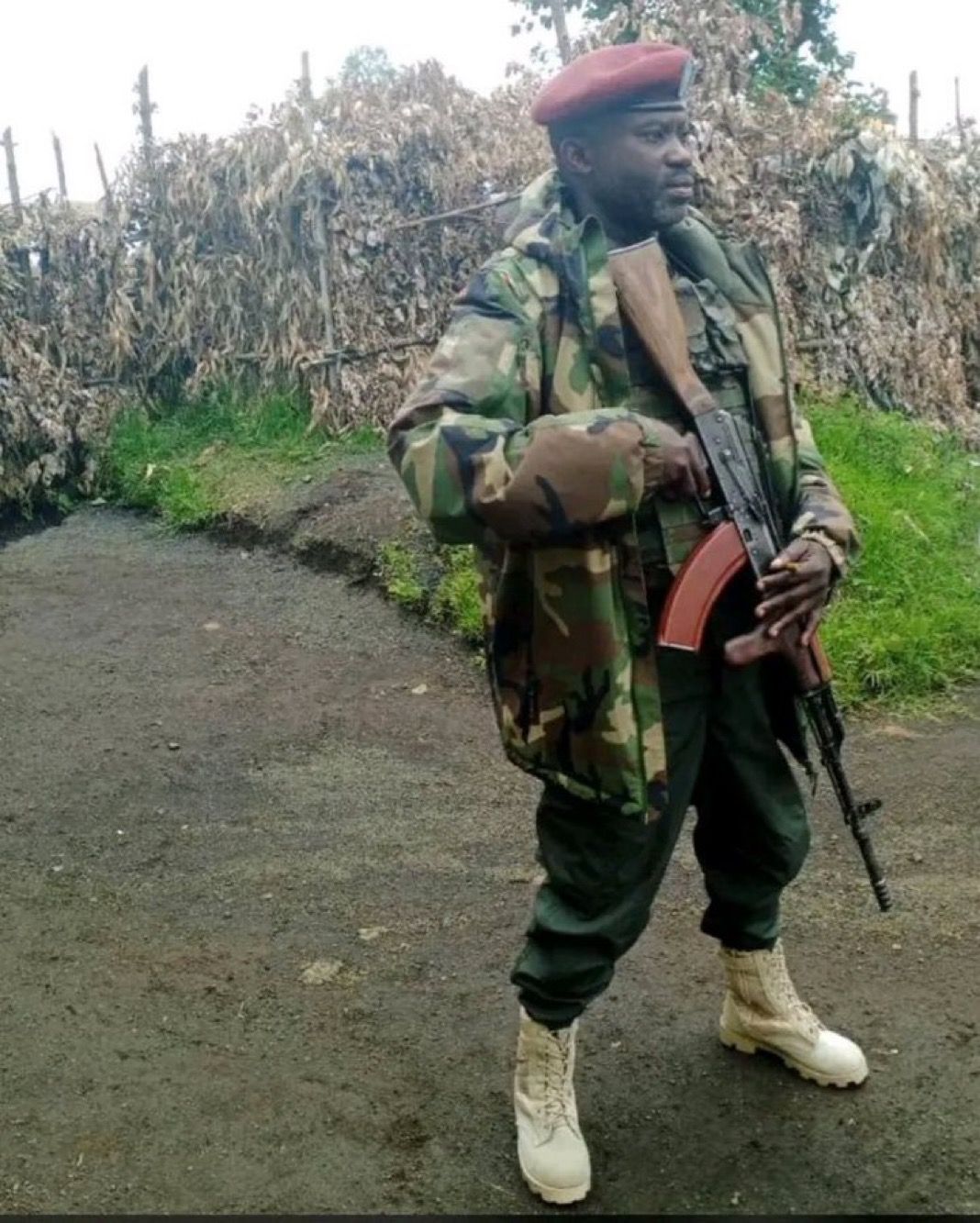
Nzenze is no newcomer to armed conflict in the region. His career traces back to the late 1990s, when he emerged as a central figure in rebel factions backed by Rwanda. These groups, including the Rassemblement Congolais pour la Démocratie (RCD), were not spontaneous uprisings but strategically created to mask foreign military occupations and exploit Congo’s vast mineral wealth. The RCD, often misrepresented as a product of the “second Rwandan war,” actually formed in August 1998 in response to Rwanda’s and Uganda’s invasion of Congolese territory.
Nzenze’s trajectory mirrors the evolution of these proxy forces. After the RCD, he joined the Congrès National pour la Défense du Peuple (CNDP), led by Laurent Nkunda, another armed group accused of war crimes and sustained by Rwandan support. In 2009, under the so-called March 23 agreements, some rebel leaders were nominally integrated into the national army, Forces Armées de la République Démocratique du Congo (FARDC). Yet this integration proved superficial—a tactical pause rather than a lasting solution.
from rebellion to resurgence: the M23’s enduring cycle of violence
By 2012, Nzenze and his commander, Sultani Makenga, abandoned their FARDC posts to relaunch the M23, citing unfulfilled promises from Kinshasa. In reality, this move signaled the rebirth of a Rwandan-backed armed faction, one that has since escalated attacks across North Kivu. The M23’s resurgence in late 2021 marked a new wave of atrocities: mass civilian displacement, extrajudicial killings, sexual violence, forced conscription, and illegal mining operations in strategic zones like Rubaya.
International observers and Western governments have repeatedly condemned the RDF/M23’s actions. Reports by the United Nations and humanitarian groups document a pattern of systemic brutality—bombardments of civilian areas, targeted assassinations, village occupations, and the systematic extraction of Congo’s natural resources. Nzenze’s role has been particularly critical. His intelligence networks are alleged to direct infiltration operations, hunt down dissidents, monitor local populations, and coordinate with Rwandan Defense Forces (RDF) units operating covertly within Congo.
For years, the architects and financiers of this violence enjoyed near-total impunity, despite damning evidence linking Rwanda to Congo’s ongoing instability. Washington’s sanctions against Nzenze represent a belated acknowledgment of these long-standing accusations, echoing calls from Congolese authorities and victims for accountability.
why one sanction, when the system persists?
Yet critics question the scope of the U.S. action. If Nzenze is a symbol of a broader apparatus, why target only one individual while the machinery of war—backed by regional political and military networks—continues to thrive? Eastern Congo remains trapped in a cycle of violence designed to sustain foreign influence and control over mineral-rich territories. The M23 is not an isolated phenomenon but the latest iteration of a three-decade strategy to destabilize the region, extract wealth, and assert control.
The sanctions may signal a shift in U.S. policy, but they also highlight a harsh reality: lasting peace in eastern Congo demands more than symbolic gestures. It requires dismantling the networks of support that have fueled conflict, exploited resources, and condemned generations to suffering.


 Mariama Hamani