Mariama Hamani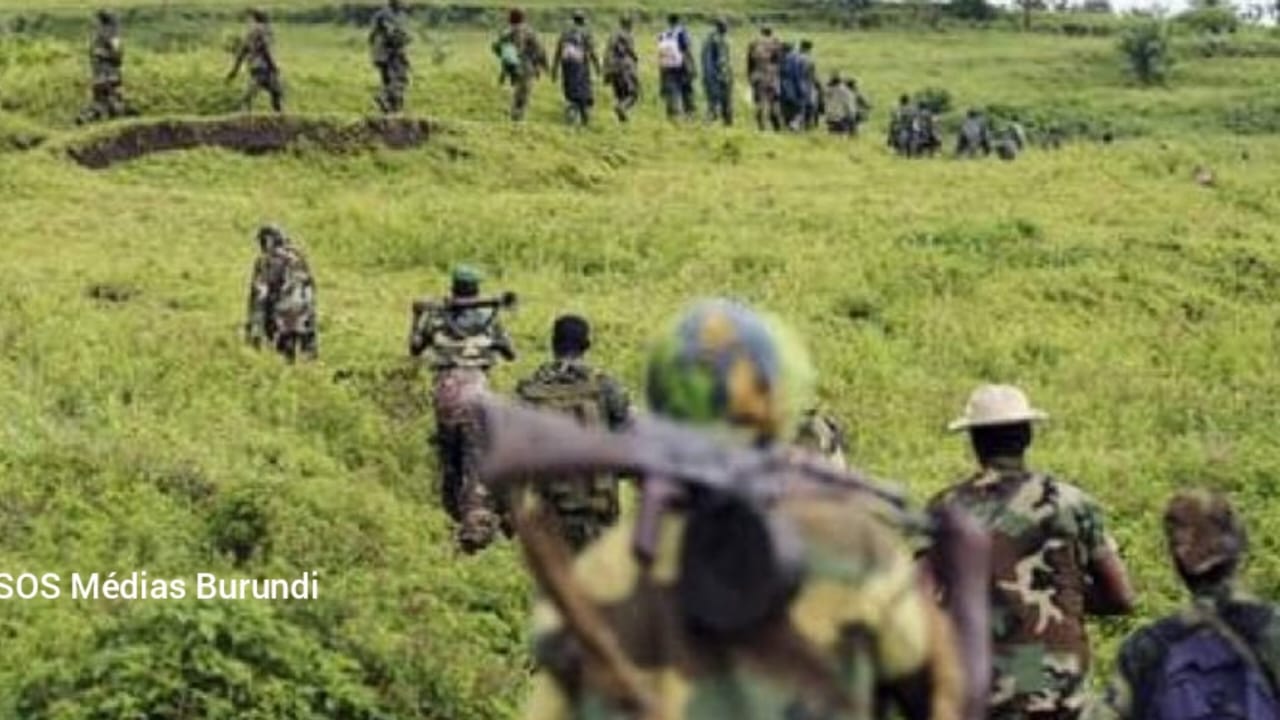
Intense military confrontations have gripped the high plateaus of Fizi and Mwenga in South Kivu for nearly a week. The Twirwaneho fighters, aligned with the AFC-M23 politico-military coalition, have been locked in fierce combat against the Armed Forces of the Democratic Republic of the Congo (FARDC), which are supported by the National Defence Force of Burundi (FDNB) and the Wazalendo militias.
Following these engagements, the Twirwaneho/M23 alliance has declared control over several key positions surrounding Minembwe. Reports from the ground suggest that the government coalition and its allies have been forced to pull back, yielding territory after sustained pressure.
Local witnesses indicate that the fighting reached a peak of intensity mid-week, characterized by the deployment of heavy artillery, drones, and aerial bombardments. The FARDC, FDNB, and their partners reportedly retreated toward the settlements of Lwiko, Mutunda, and Miko. This withdrawal has left multiple peripheral zones of Minembwe under the firm grip of the Twirwaneho/M23 combatants.
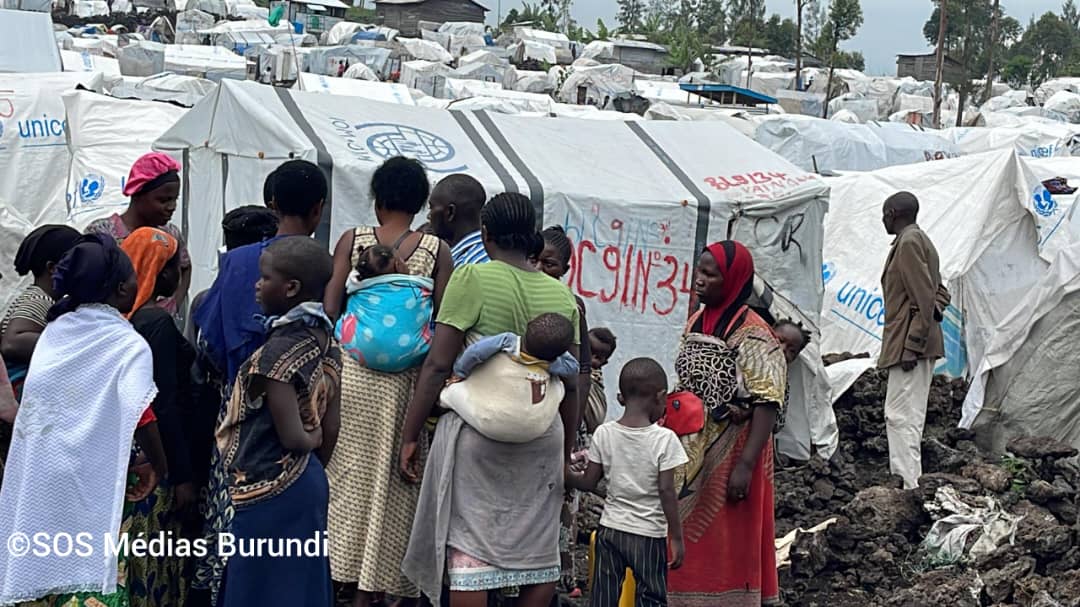
The humanitarian situation is deteriorating rapidly as civilians flee the violence toward Kiziba. Displaced residents describe scenes of chaos and widespread panic, reporting that shells have struck residential areas. While an official casualty count remains unavailable, the scale of displacement highlights the severity of the crisis.
Although the FARDC has yet to issue a formal statement on the current status of the front, local military officers have acknowledged a strategic repositioning. This move follows particularly brutal encounters in the Ilundu and Bidegu sectors.
Unconfirmed accounts from the front lines suggest that Burundian FDNB troops may have abandoned military equipment during their retreat toward Kakenge. Significant losses are suspected within the ranks of the FARDC, FDNB, and Wazalendo, though official figures have not been released.
Claims of military dominance
The Twirwaneho/M23 leadership has adopted a triumphant tone, asserting that they have successfully pushed government forces beyond several front lines. This advancement has allowed them to consolidate their presence around the strategic hub of Minembwe.
Former national deputy Moïse Nyarugabo commented on the situation, describing the event as a significant setback for the forces targeting Minembwe. He noted that despite the use of Sukhoi jets, advanced drones, and heavy artillery, the attacking forces were repelled across the Lwiko River.
According to his assessment, months of military operations have failed to establish lasting security in the volatile high plateaus. He further alleged that the coalition’s tactics, including heavy shelling, have been the primary cause of civilian casualties and mass displacement in the region.
Controversy over Burundian military involvement
The active participation of the Burundian FDNB alongside Congolese forces remains a point of intense debate. Security insiders suggest that a bilateral agreement between Kinshasa and Gitega may involve mining concessions in the Fizi and Minembwe areas in exchange for military support. While these specific claims remain unverified by official government channels, the cooperation itself is well-documented.
Presidents Évariste Ndayishimiye and Félix Tshisekedi have previously confirmed a security pact that facilitates Burundian intervention on Congolese soil. Internal records indicate that over 29,000 Burundian soldiers were deployed to eastern RDC between late 2022 and the end of 2025.
This deployment occurs amidst a backdrop of high regional tension. Recently, AFC-M23 rebels withdrew from the strategic city of Uvira—which they had occupied briefly—under international pressure. However, the movement remains a potent force in the Kivu provinces.
The AFC-M23 and Twirwaneho alliance
The M23 movement is a cornerstone of the Alliance Fleuve Congo (AFC), a coalition led by Corneille Nangaa, the former head of the Congolese electoral commission. In the South Kivu highlands, they work closely with Twirwaneho, a group largely composed of youth from the Banyamulenge community.
The conflict is further complicated by mutual accusations between regional neighbors. Kinshasa frequently alleges that Rwanda provides support to the AFC-M23, a claim Kigali denies while accusing the RDC of collaborating with the FDLR. Similarly, Burundi and Rwanda have traded accusations regarding the support of various armed groups operating across their borders.
The M23, which resumed its insurgency in late 2021 citing broken government promises, continues to exert influence over vital economic corridors and strategic towns in both North and South Kivu.
A cycle of instability
Despite numerous diplomatic efforts and regional peace initiatives, the situation on the ground remains explosive. The high plateaus of Fizi continue to be a flashpoint in the Great Lakes region, where local grievances and national rivalries intersect, leaving little room for an immediate or lasting peace.

 Boureima Amadou