Mariama Hamani
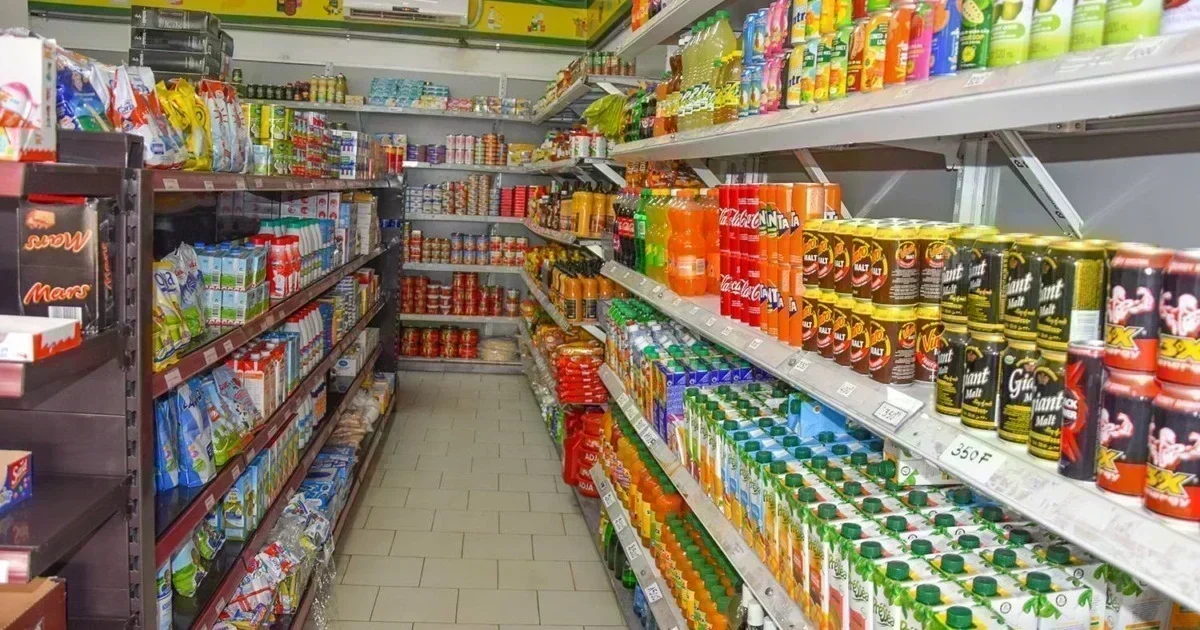
Dakar’s soaring living costs: a daily struggle for Senegalese households

A viral video has reignited debates about Senegal’s purchasing power crisis, revealing striking price differences between Dakar and Paris for everyday essentials that leave residents questioning the country’s economic landscape.
Senegal, often classified among Africa’s poorer nations, presents a paradox: one of the continent’s highest living costs. This revelation comes as a new wave of price hikes hits consumers, with Dakar’s residents particularly affected. A recent social media video comparing staple goods in Dakar versus Paris has gone viral, sparking widespread discussions about economic disparities.
A video originally shared by French content creator Simon Labas in December 2025 has resurfaced on TikTok and X, amplifying concerns during a period of escalating fuel and commodity prices. The footage highlights glaring discrepancies in everyday product pricing that have left Senegalese netizens stunned.
Striking price disparities revealed
The video exposes significant price gaps across multiple consumer categories. Locally, a kilogram of whole chicken costs 2,610 F CFA in Dakar, compared to the equivalent of 2,300 F CFA in Paris. Butter shows a similar trend: 2,990 F CFA in Senegal against 1,990 F CFA in France. Cooking oil, a dietary staple in Senegal, follows the same pattern at 6,990 F CFA locally versus 6,000 F CFA in the French capital.
The discrepancies become even more pronounced for non-essential goods. A box of Chocapic cereal that costs 1,990 F CFA in France retails for 5,250 F CFA in Dakar—more than double. Fabric softener bottles show equivalent disparities, priced at 9,990 F CFA in Dakar versus 5,600 F CFA in Paris. These revelations have sparked considerable surprise among Senegalese viewers who have watched the video.
Broader economic impact on Senegalese households
The affordability crisis extends beyond groceries to housing and transportation. Recent government fuel price adjustments have further strained household budgets. This isn’t an isolated issue: according to a 2024 Countryeconomy ranking, Senegal ranks as Africa’s second most expensive country to live in, trailing only Côte d’Ivoire.


 Boureima Amadou