
 Boureima Amadou
Morocco’s discreet yet decisive role in Mali’s release of a French spy

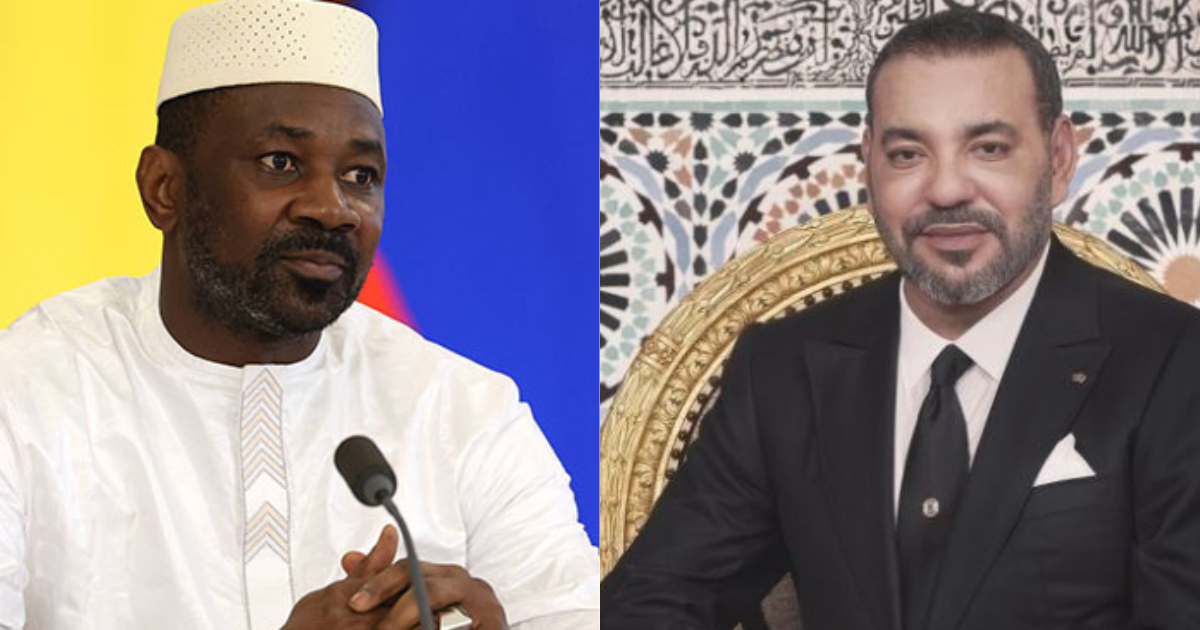
In a significant diplomatic breakthrough, Morocco has emerged as the linchpin in securing the release of Yann Vézilier, a French intelligence officer held in Mali for nearly a year. The agent, affiliated with France’s DGSE, was granted a presidential pardon by Mali’s transitional leader, Assimi Goïta, marking the culmination of a discreet yet highly effective mediation effort.
From detention to freedom: the timeline of Yann Vézilier’s case
Vezilier was first detained in August 2025 and subsequently sentenced in June 2026 to two decades in prison on charges of undermining Mali’s national security. Malian authorities accused the agent of involvement in a plot aimed at destabilizing the country. His unexpected release on August 13, following Assimi Goïta’s pardon, underscored the pivotal role played by diplomatic channels.
Morocco’s strategic diplomacy in the Sahel
Mali’s official statement extended gratitude to a ‘brother nation’ for facilitating the resolution — a veiled reference to Morocco. The North African kingdom’s involvement proved instrumental in bridging the gap between Paris and Bamako, particularly at a time when Franco-Malian relations remain strained. This successful mediation highlights Morocco’s growing influence as a trusted intermediary in the Sahel region.
Morocco’s ability to maintain and even strengthen its diplomatic ties across the Sahel has positioned it as a unique player in a region where communication channels are often fragmented. Through sustained engagement in security training, economic partnerships, and political dialogue, Rabat has cultivated direct lines of communication with Malian authorities — an asset few other nations possess in this volatile landscape.
Echoes of a similar case in Burkina Faso
This recent development mirrors a similar incident in Burkina Faso in December 2024, when four French DGSE operatives were released following Morocco’s intervention. At the time, multiple diplomatic avenues had failed before Paris turned to Rabat, leveraging the kingdom’s established political and security networks in Ouagadougou.
Morocco’s pragmatic approach, built on trust and regional cooperation, has repeatedly demonstrated its value in resolving complex diplomatic challenges. By positioning itself as a reliable mediator, the kingdom continues to strengthen its role as a bridge between Europe and the Sahel, offering a steady hand in times of regional uncertainty.


 Mariama Hamani




