Boureima Amadou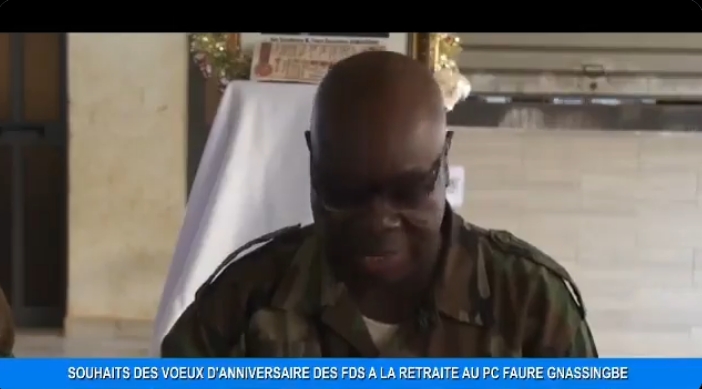
The political climate in Togo has grown increasingly volatile following recent statements attributed to groups identified as pro-government paramilitaries or militia. These declarations, circulating through recordings and social media posts, have sparked sharp reactions from civil society and opposition figures.
In these messages, individuals pledge to “defend the Gnassingbé family’s hold on power at all costs,” even in the face of widespread public protests. Such rhetoric, which openly disregards the principle of republican reserve, has reignited debates about the safeguarding of the political sphere and the true nature of the regime’s support base.
Loyalty beyond constitutional boundaries
The statements from these groups reveal a deliberate departure from the neutrality expected of state institutions. By framing their security role around the survival of a presidential dynasty rather than the Constitution or national institutions, they adopt a pretorian guard mentality.
“Should the people reject them, we will fight to the end,” a recurring line in these declarations, is widely seen as an attempt to intimidate those advocating for change. Observers also raise concerns about the potential existence of parallel armed structures or radicalized factions within the informal security apparatus.
Civil society and opposition respond
Human rights organizations and opposition leaders have not remained silent about these developments. They warn that such rhetoric echoes past political crises in Togo, which were often marred by violence.
Democracy under threat: Opposition figures argue that these declarations aim to instill fear, deterring peaceful public mobilizations and undermining democratic processes.
A call for accountability: Multiple advocacy groups urge state authorities and the formal military command to clarify their stance on these groups and unequivocally condemn such inflammatory statements.
The neutrality of defense forces in question
In political journalism, dissecting such declarations requires distinguishing between official state structures and the zealous actions of pressure groups or private militias. In Togo, the regular army has long been a cornerstone of political power. However, the public emergence of groups claiming to serve as a “last line of defense” outside official channels may signal an attempt to privatize legitimate violence.
To date, official authorities have not directly addressed these specific statements, maintaining a stance focused on institutional stability and national security amid regional threats.
Looking ahead: a test of political resolve
As the country grapples with a complex post-constitutional landscape, the handling of these ultra-loyalist declarations will reveal whether the Lomé government seeks to foster an environment of dialogue or leans toward confrontation.

 theafricantribune