Mariama Hamani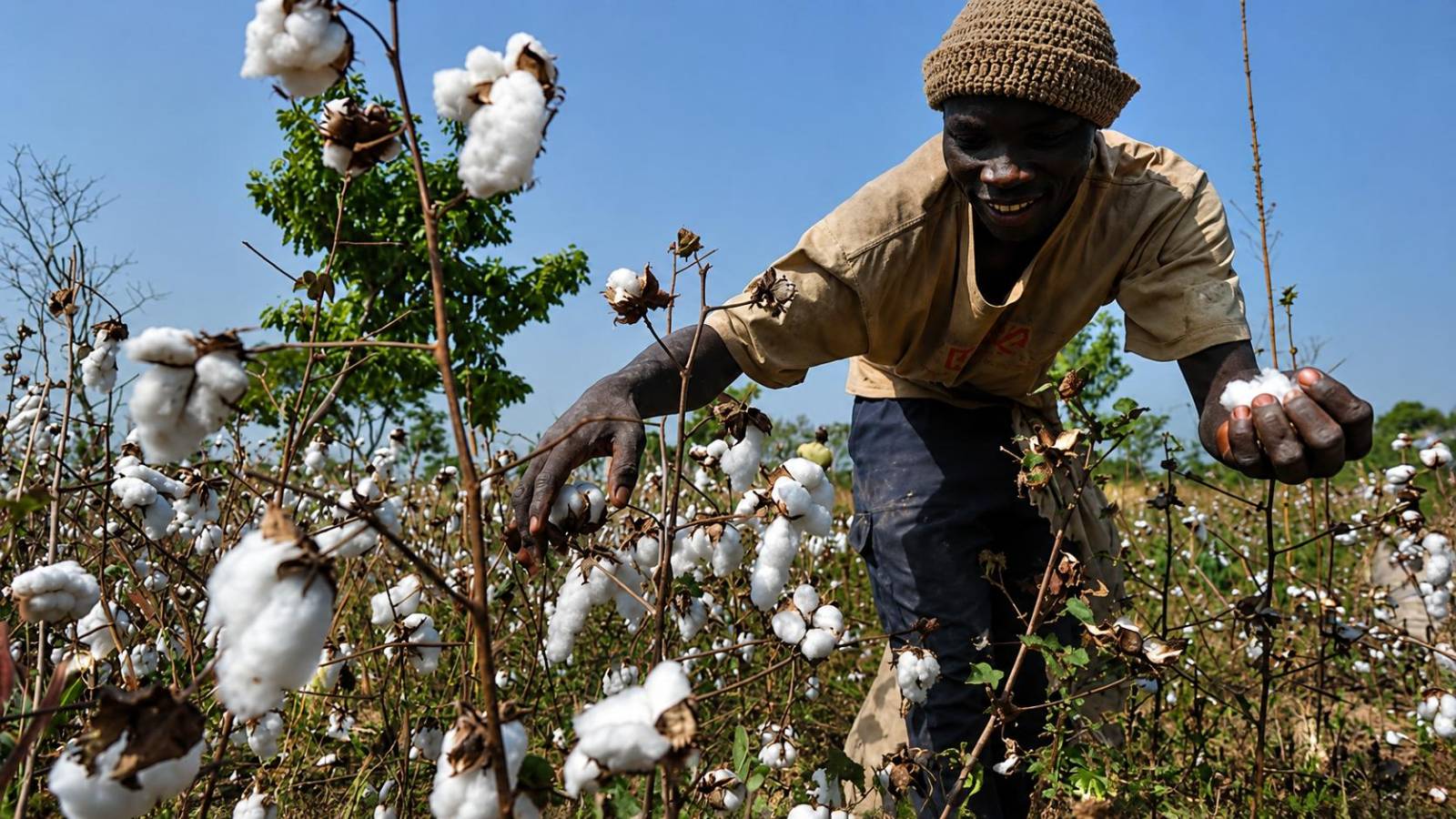
Government accelerates local transformation to secure food independence
The Minister of Agriculture, Livestock, and Fisheries, Adin Yeton Bloukounon Goubalan, has completed a three-day nationwide tour. From central to northern regions, the administration’s message is unequivocal: Benin must stop exporting raw materials and instead process its own agricultural output to bolster food security and stimulate economic growth.
This initiative reflects a government-wide push to modernize the agricultural sector. Between June 11 and 13, Minister Goubalan visited key agricultural hubs including Paouignan, Glazoué, and Parakou. The mission was clear: ensuring the president’s vision—a definitive end to raw material exports—translates into tangible industrial progress.
Rice and cassava: stepping toward self-sufficiency
A major milestone has been achieved in the rice sector. In Glazoué, the agro-industrial group Premium, already a major player in paddy rice processing, announced a significant expansion. A third processing unit is under construction in Dangbo, which will boost the group’s annual capacity from 300,000 to 500,000 tons. This development is a game-changer in reducing Benin’s reliance on rice imports from Asia.
Meanwhile, in Paouignan, the focus is on cassava—the nation’s white gold. A new local processing plant nearing completion will produce gari, tapioca, and—most importantly—bread flour. This innovation offers an alternative to wheat imports while introducing an unprecedented management model: a public-private partnership with local producer cooperatives. This structure aims to ensure fair profit distribution and safeguard rural employment.
Cashew nuts: cracking down on smuggling
While processing gains ground, raw material supply remains a critical challenge, particularly in the cashew sector. Local processors warn of a persistent issue: the smuggling of raw nuts into neighboring countries.
Minister Goubalan emphasized the government’s commitment to tightening border controls and prioritizing stock security for domestic factories. The administration views the export of raw cashews as a direct loss of job opportunities for young Beninese workers.
Cotton: a bold production target and financial incentives
The tour concluded with a focus on Benin’s most vital cash crop: cotton. After three consecutive seasons of declining output, the government has set an ambitious goal: 700,000 tons for the 2026–2027 campaign.
To revitalize the sector and ease the financial burden on farmers—facing soaring input costs—the president introduced a landmark incentive: a 10 FCFA bonus per kilogram of cotton produced, payable once the national target is met.
Between stringent anti-smuggling measures, financial incentives, and large-scale industrial projects, Benin is reimagining its agricultural economy. While logistical and climate-related challenges remain, the government’s resolve appears unshaken.
Agricultural resilience takes center stage
The country’s strategy hinges on three pillars: processing local produce, securing raw materials, and empowering farmers. With these measures, Benin is not just aiming for food sovereignty—it’s laying the groundwork for sustainable economic transformation.



 Boureima Amadou