
 Boureima Amadou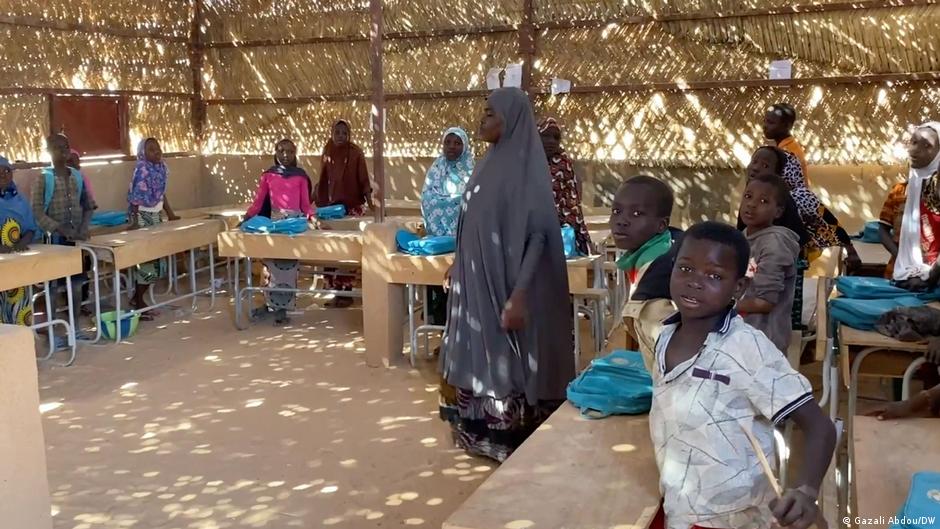
Why teaching children about human rights matters in Niger
The school bell has just rung at the Gaya mission school, but the lesson on today’s theme continues in the corridors. Children aged 9 to 12 are sharing their newfound understanding of rights:
“Before this lesson, I thought rights were only for grown-ups, like driving or voting.”
“We have the right to healthcare when we’re sick, and no one should harm us.”
“We can speak up too, so parents and teachers must listen. If we need something, we can explain without getting scolded.”
Today’s lesson focused on children’s rights during a morality class—a subject that extends far beyond the classroom walls. For Aïssatou, the teacher, the impact is immediate. As soon as the notebooks close, the conversation continues:
Aïssatou explains, “The children are genuinely excited to realize they have rights. You know, in morality classes, they absorb and apply what they learn right away.”
Instilling values in young minds
The school follows the Competency-Based Approach (CBA), where rights education starts early. According to Omar, an advisor, “From kindergarten, children learn about their rights through stories, songs, and activities. They learn they have the right to education and health. As they progress to secondary school, civic education and morality lessons deepen their understanding of human rights.”
The reality beyond the classroom
Not all children reach secondary school. Some drop out and navigate adulthood without ever learning about their rights. During a walk through the streets, we met an 11-year-old boy collecting plastic bottles. He quietly confided, “Rights are for adults only.”
His words underscore the urgency of expanding rights education beyond school walls and textbooks.



 Mariama Hamani




