the kamerunian visionary behind radio Tchad’s foundation
In the nascent years of Tchad’s independence, its young president, François Tombalbaye, harbored a grand ambition: to transform the antiquated liaison station of France-Libre in Fort Lamy into a vibrant national broadcaster, Radio Tchad.
President Tombalbaye’s vision for a national voice
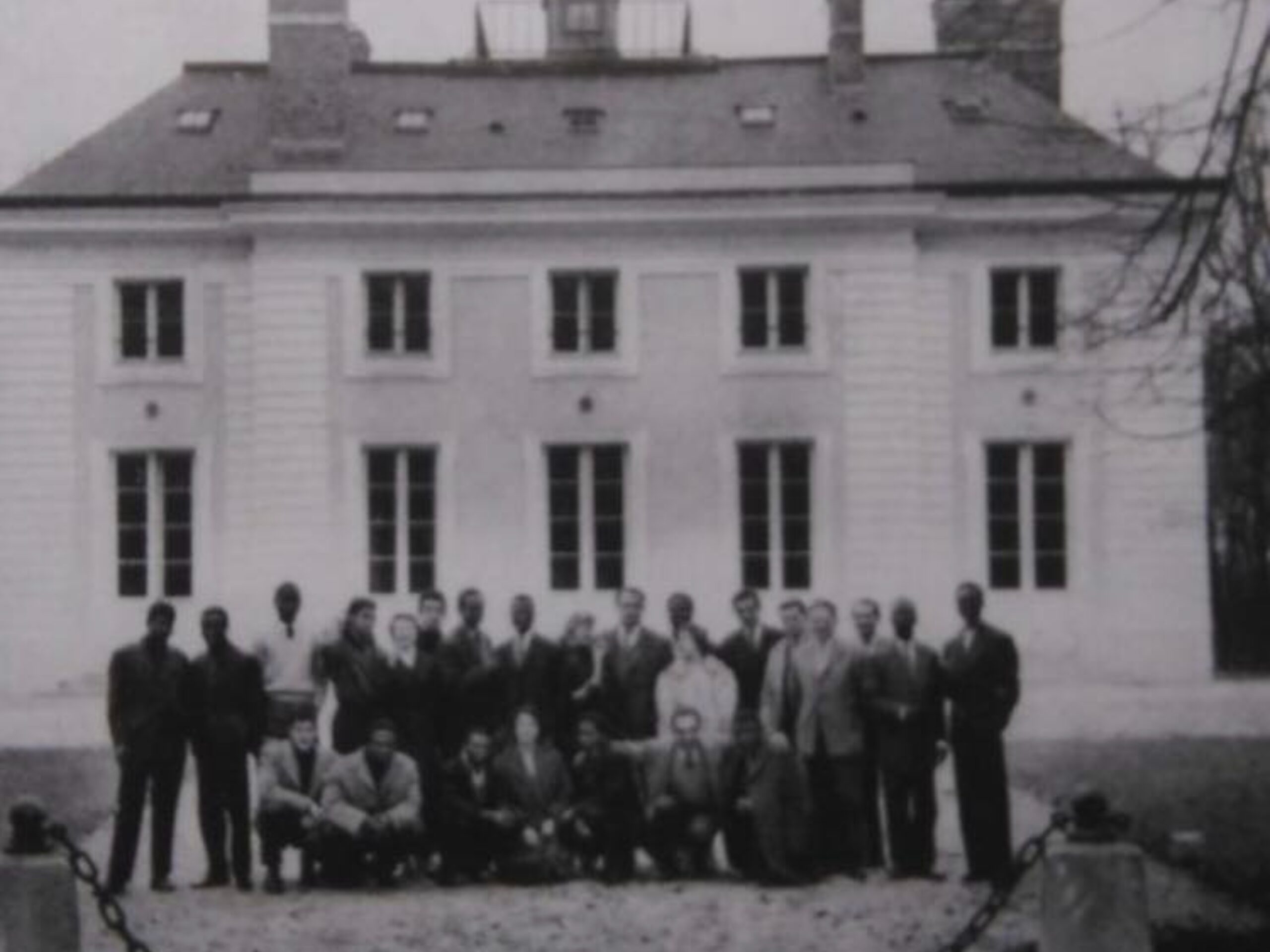
During a visit to France, President Tombalbaye made a deliberate detour to the Pavillon de La Muette, nestled within the Saint-Germain forest in Maisons-Laffite. This was the home of the Société de Radiovision d’Outre Mer (SORAFOM), a key institution in overseas broadcasting.
His mission was clear: he sought an exceptional journalist to spearhead the creation of Radio Tchad. There, he encountered Pierre Shaefflert, the renowned sound engineer credited with revolutionizing radio music. Without hesitation, Shaefflert pointed to a “tall, distinguished Black man from Kamerun” – Pierre Mabè Gwet.
Mabè Gwet brought a wealth of experience, having completed his program animator training at Studio-École between 1956 and 1957, followed by advanced training from 1960 to 1961. By this time, he had become a respected executive within French cooperation efforts.
It was Mabè Gwet who undertook the monumental task of relocating the old France-Libre radio outpost from Fort Lamy to its current site in N’Djamena. More importantly, he was instrumental in nurturing and training the very first generation of Chadian journalists. His pioneering spirit ignited a passion for broadcasting in many young individuals, including figures like Garambaye Adoum Saleh and the vibrant Saleh Kedzabo, who would later become a powerful voice for Jeune Afrique magazine.
President Tombalbaye was deeply impressed by Mabè Gwet’s refined writing, his profound general knowledge — particularly his grasp of the Panafrican theodicy of Trinidadian thinkers — and his expansive understanding of geopolitical strategic issues, honed at Science-Pô in Paris. Recognizing these exceptional qualities, Tombalbaye appointed him as his personal advisor.
Serving as President Tombalbaye’s trusted Sherpa, Mabè Gwet was responsible for crafting all of the president’s speeches, especially during Tombalbaye’s pivotal shift towards a panafricanist stance and his emergence as a champion of African authenticity.
When the coup d’état unfolded, overthrowing President Tombalbaye, Pierre Mabè Gwet swiftly crossed the border into Kousseri, thereby escaping the assassins who tragically took the president’s life.
Mabè Gwet belonged to an extraordinary generation of trailblazers whose immense contributions to the dissemination of ideas across Africa are etched in history. This cohort included luminaries such as Georges Rawiri of Gabon, who would later become his country’s vice president and was central to the establishment of Radio Garoua, and Pierre Mouasso Priso, the founder of Radio Cameroun.
In Côte d’Ivoire, following in the footsteps of Thiam, Sylvain Zogbo — father of the prominent Ivorian audiovisual personality Yves Zogbo Junior and an alter ego of Consty Eka — played a crucial role in founding the national Radiotélévision. In Bangui, it was Toufic, an Afro-Lebanese figure from Togo, who laid the initial groundwork for broadcasting.

Boureima Amadou
Journalist
Boureima Amadou
- News
- October 22, 2026
- 10 views
Diffa schools open to all: a pivotal move to restore education rights in Niger
Niger’s decision to reopen schools in Diffa for children of all communities marks a decisive moment in the fight for accessible education. This policy shift follows controversial restrictions that threatened…
- News
- October 22, 2026
- 12 views
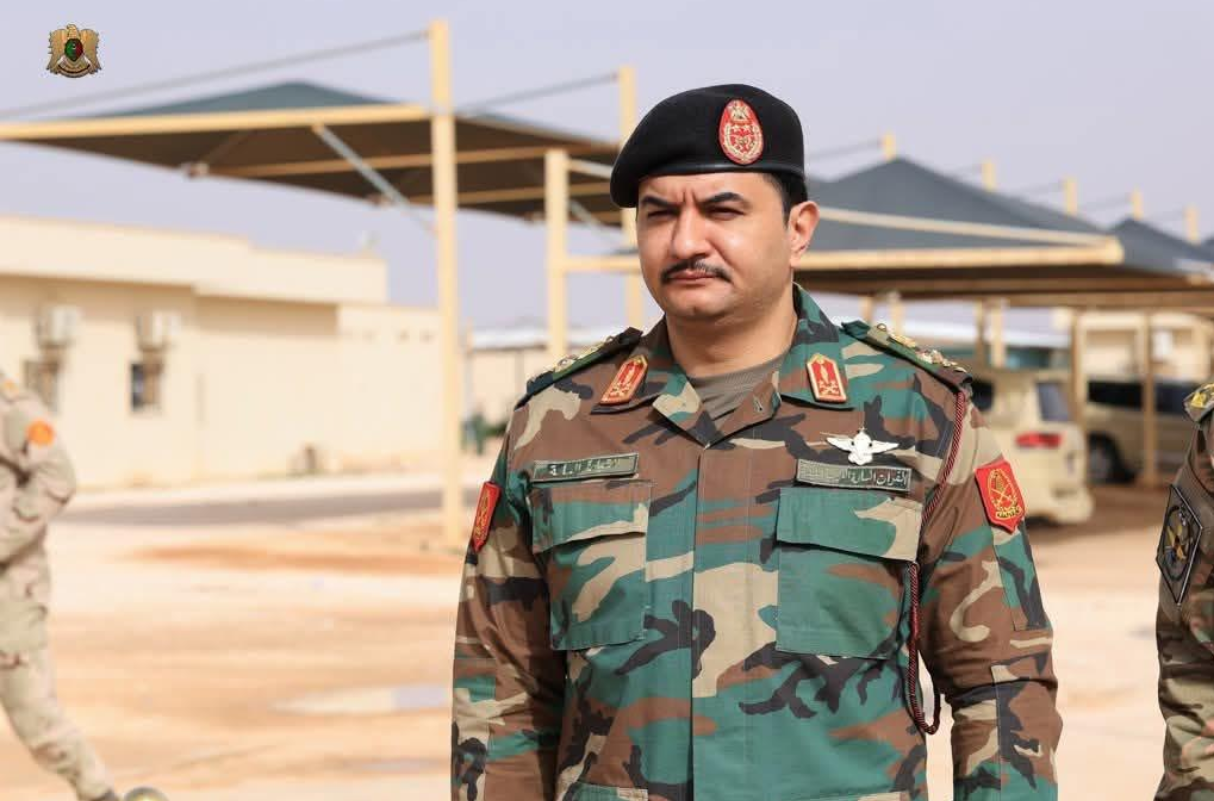
Libya’s hidden hand: how a breakthrough freed two European hostages in Niger
The long shadow cast by insurgent violence across Africa’s Sahel finally lifted on October 21, as two European women—Eva Gretzmacher from Austria and Claudia Abbt from Switzerland—stepped onto Libyan soil…