Mariama Hamani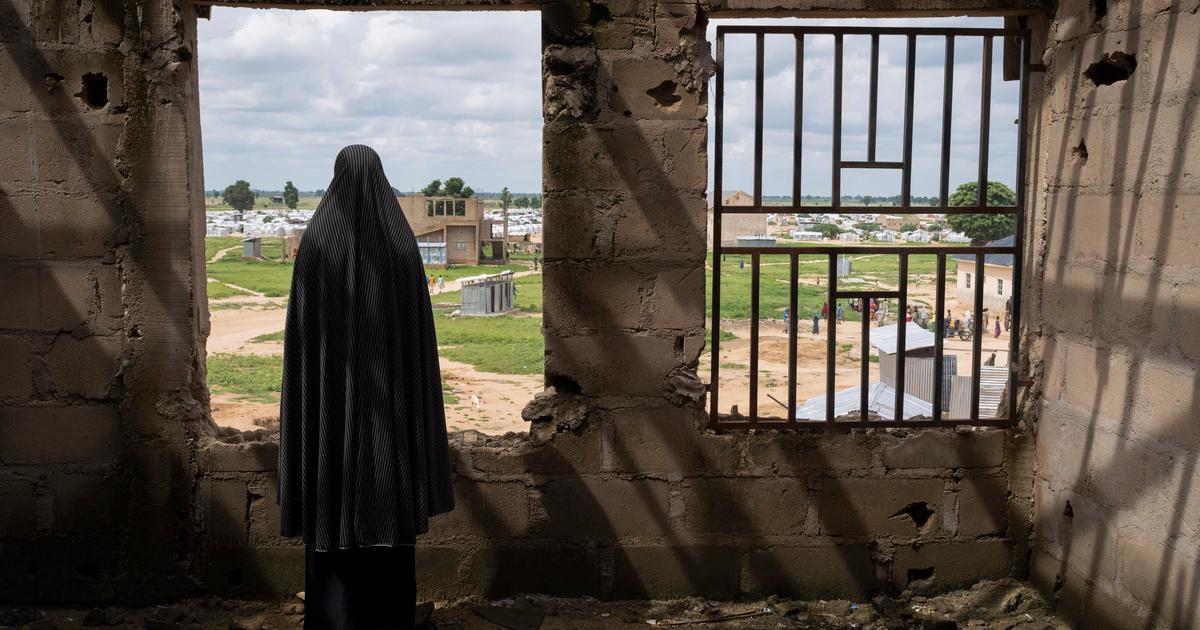

Aisha, Juliana, and Hauwa are names that represent thousands of untold stories. While mass abductions by the insurgent group Boko Haram frequently dominate Africa breaking news, the individual experiences of those held captive often remain in the shadows. A recent in-depth report highlights the lives of these women, who were once headlines but have long been unheard voices in the landscape of African current affairs.
For Aisha, the nightmare began on a Saturday evening in April 2014. She was preparing a meal for her children in the village of Gamboru Ngala, located in the Bornu State of northeastern Nigeria, when the militants struck. The attack was swift and brutal; she witnessed her own brother’s murder before being dragged away into captivity.
After being taken to a remote camp, Aisha was forced into a life of horror. A high-ranking insurgent leader claimed her as his spouse. In her testimony, she recalls the nightly abuse and the cycle of violence she endured. Her ordeal lasted two years, during which she faced multiple forced marriages and three pregnancies before finally escaping during a Nigeria military operation.
The stigma of the “Boko Haram wife”
Juliana’s youth was similarly stolen. At just 15 years old, she and her mother were seized in Adamawa State. Before the insurgency shattered her life, she had ambitious goals of finishing her secondary education and attending university to become a computer engineer. She eventually managed to flee after two years of imprisonment, aided by an elderly woman who helped her navigate the path to freedom.
However, the longest period of suffering was endured by Hauwa, who spent a full decade under the control of the insurgents. During those ten years, she was married off to three different men and gave birth to four children. Upon her return to society, the physical captivity ended, but a social prison began. She found herself labeled a “Boko Haram wife,” a term of deep derision in her community. Her children are often shunned, treated as outcasts, and denied the simple joy of playing with other local youth.
Seeking justice and reintegration in Nigeria
This report, featured in English Africa news outlets, also examines the critical need for effective African governance regarding transitional justice. Experts suggest that addressing the systemic impunity for gender-based violence is essential for the long-term healing of the region. Reintegration programs are vital for women like Hauwa, who face rejection from the very communities they longed to return to.
The psychological scars remain deep for these survivors. Juliana admits that while she is physically out of the forest, a part of her remains trapped by the memory of those she left behind. As The African Tribune and other continent news platforms follow these developments, the focus remains on how Nigeria can provide a future for those who survived the unimaginable.

 Boureima Amadou