Mariama Hamani
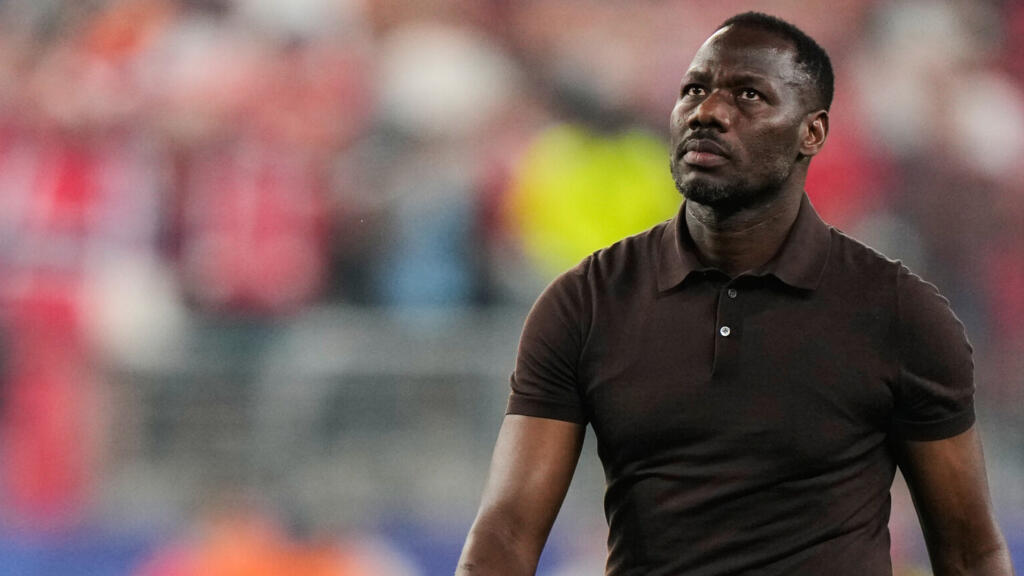
The Lions of Teranga have been eliminated from the 2026 World Cup after a dismal performance, raising serious questions about the future of Senegalese football. Despite an early 2-0 lead against Belgium in the Round of 16, the team collapsed in the final minutes, conceding three goals to fall short of advancing further. The aftermath was swift: the Senegalese Football Federation dismissed head coach Pape Thiaw and his entire technical staff.
Was the head coach the sole culprit?
The sacking of Pape Thiaw has sparked debate across Dakar’s football circles. While his tactical decisions and in-game adjustments came under scrutiny, many argue that broader issues within the national team’s structure played a decisive role. Poor squad selection, inconsistent player form, and lack of tactical cohesion were evident throughout the tournament.
Critics point out that the team’s preparation for the World Cup was marred by internal conflicts and last-minute changes in the squad. The absence of key players due to injuries or club commitments also disrupted the team’s rhythm. Some analysts suggest that the federation’s decision to overhaul the entire coaching staff may be an attempt to shift blame rather than address systemic problems.
What lies ahead for Senegalese football?
With the dust settling on this painful World Cup campaign, Senegal faces a pivotal moment. Rebuilding trust with fans and stakeholders will require more than just a change in leadership. The federation must now focus on long-term development, investing in grassroots football and ensuring stability within the national team setup.
The next challenge for Senegal is not just finding a new coach, but fostering an environment where talent can thrive without the distractions of internal politics. Will the federation take this opportunity to make meaningful changes, or will it repeat the same mistakes in the next qualification cycle?


 Boureima Amadou