Mariama Hamani
Science and health in Mali: dr. bintou dembelé’s vision for safer communities
Bamako – As World Health Day 2026 approaches with the theme “Unite for health. Support science”, the World Health Organization (WHO) shines a spotlight on dedicated professionals in Africa leveraging science to safeguard communities.
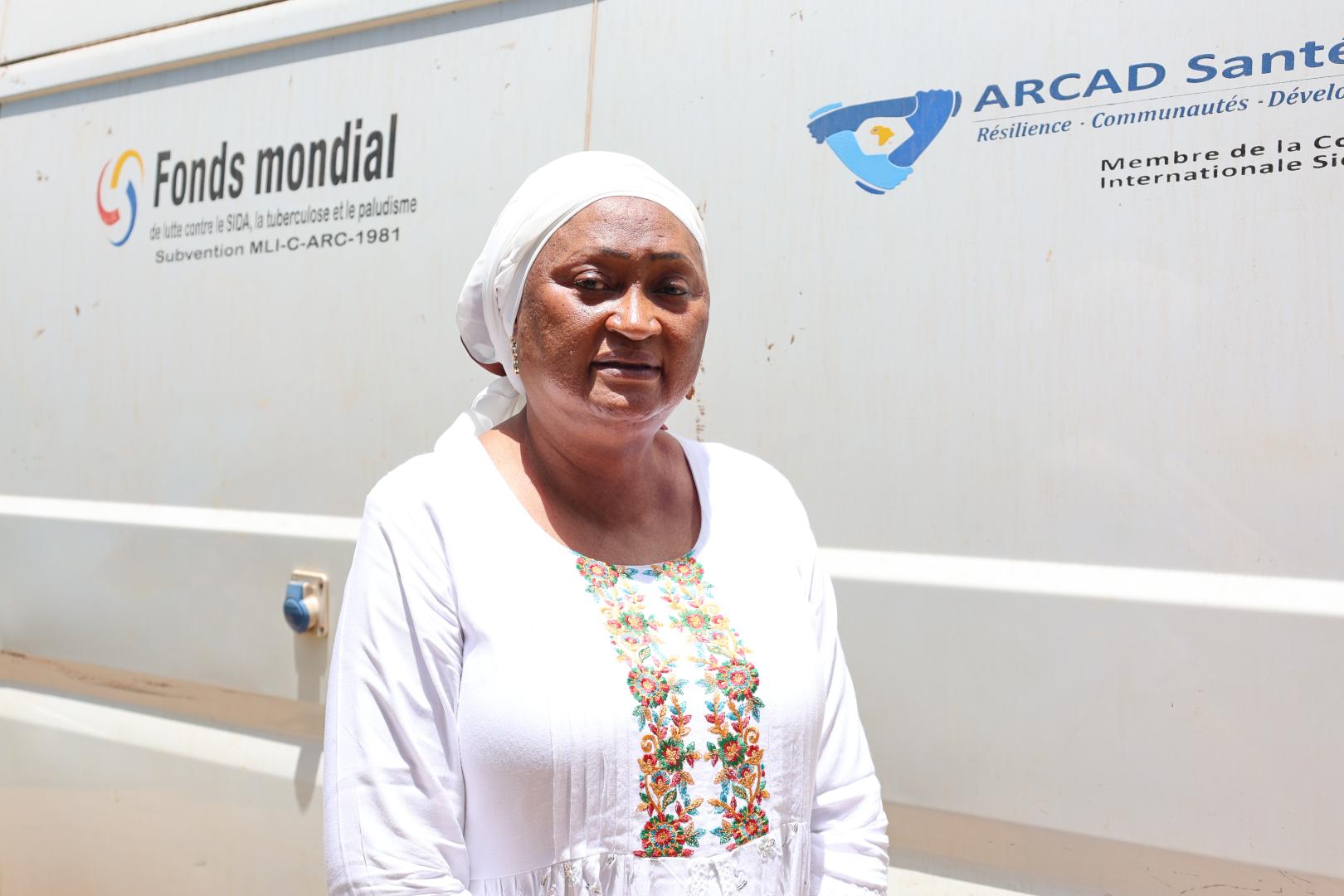
Dr. Bintou Dembélé, a physician and public health specialist from Mali, has spent years combating infectious diseases and strengthening health systems across Mali and West Africa. A firm believer in science-driven solutions, she advocates for accessible, collaborative research to prevent health crises, enhance care quality, and foster trust among researchers, policymakers, and local populations. For World Health Day, she shares her perspective on making science practical, inclusive, and life-changing for everyone.
Why science is vital for protecting community health today
Science remains the cornerstone of modern healthcare. It fuels the discovery of breakthrough treatments, life-saving vaccines, and advanced therapies to tackle both long-standing and emerging diseases.
Prevention is another critical area where science excels. By uncovering how diseases emerge and spread, researchers can implement early interventions to curb outbreaks before they escalate.
Additionally, scientific advancements improve diagnostic tools, medical technologies, and healthcare delivery models, empowering health systems to save more lives and support faster recovery.
How scientific collaboration strengthens health in West Africa
Collaborative research breaks down barriers by pooling expertise, resources, and best practices. In West Africa, where nations face similar health challenges, joint efforts amplify impact.
These partnerships address endemic diseases, non-communicable conditions, and maternal and child health issues—such as reducing maternal and neonatal mortality—while also driving socio-economic progress. Healthier populations are more resilient, contributing more effectively to societal and economic growth.
The ‘One Health’ approach: a game-changer for health security
The One Health framework highlights the interconnectedness of human, animal, and environmental health. Recognizing these links enables communities to anticipate and prevent health risks more effectively.
This approach promotes collective vigilance through local monitoring systems, strengthens dialogue between scientists and communities, and integrates traditional knowledge into research. It empowers people to take charge of their own health through participatory science.
Turning scientific data into action: strategies for impact
Scientific data holds immense value but must be translated into actionable policies swiftly. Fast-tracking the integration of research findings into public health strategies optimizes resource allocation and ensures responses align with community needs.
Building public trust in science for healthier futures
Trust grows from clarity. Making scientific knowledge accessible, culturally relevant, and easy to understand fosters acceptance among the public.
Transparent communication via community-friendly channels bridges gaps, turning science into a shared tool for collective well-being. When people see its direct benefits, they become active supporters, creating a ripple effect of health awareness and resilience.


 Boureima Amadou