Mariama Hamani
Senegal’s prime minister rejects western pressure on homosexuality law
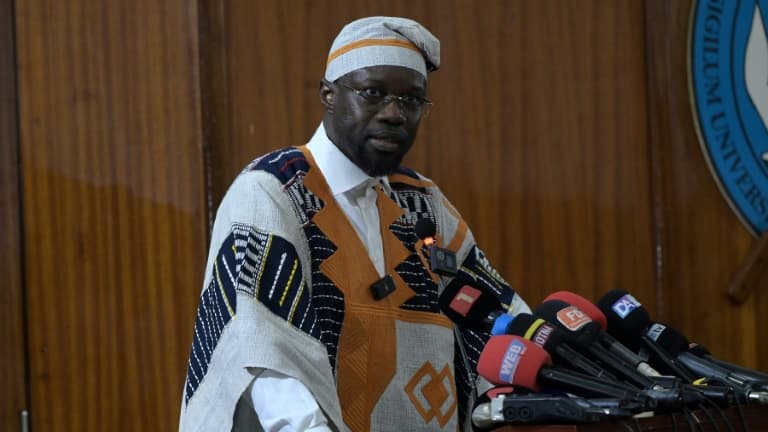
In a firm address to lawmakers on May 22, Senegal’s Prime Minister Ousmane Sonko rejected Western criticisms of the new legislation, labeling them as “a tyranny” and “an attempt to impose homosexuality on the world.” He also dismissed calls for a moratorium on the law’s enforcement, reaffirming the government’s commitment to its strict application.
The new legal framework, which came into effect after being signed by President Bassirou Diomaye Faye on March 31, reflects the country’s growing intolerance toward same-sex relations. The move follows a series of high-profile arrests linked to alleged homosexuality, underscoring a broader climate of hostility in Senegal’s sociopolitical landscape.
“If the law needs tightening, it will be”
Speaking before the National Assembly, Sonko condemned what he described as Western “cultural imperialism,” arguing that a small group of nations—primarily in Europe and North America—were attempting to dictate moral standards to the rest of the globe. “There are eight billion people in the world, yet a handful in the West, despite internal divisions, wield their economic and media influence to impose their views. But on what authority?” he declared.
He singled out France, stating that “while they may have chosen these practices, that is their concern, not ours.” Emphasizing Senegal’s sovereignty, Sonko declared, “We will not accept lessons from anyone.”
The Prime Minister warned that Senegal would not tolerate foreign interference in its domestic affairs, noting that “no Asian, African, or Arab country has criticized this law.” He further cautioned that if the legislation required additional enforcement measures, the government would not hesitate to implement them. “Justice must apply the law fully, impartially, and rigorously,” he stressed, “because its primary objective is to curb the spread of homosexuality.”
Moratorium demands rejected as “complexed elite rhetoric”
Sonko also dismissed calls for a moratorium on the law, which were made in a mid-May op-ed by a group of thirty prominent figures of African descent, published in a French newspaper. The petitioners argued that the new legislation had fostered “a climate of fear, hatred, and violence” in Senegal.
In a sharp retort, the Prime Minister accused Senegalese elites of harboring “inferiority complexes” and reiterated the government’s unwavering stance. “There will be no moratorium,” he declared. “We will not be lectured by those who seek to impose their values on us.”
Same-sex relations remain widely stigmatized in Senegal, where they are viewed as a moral aberration. The government’s decision to escalate penalties aligns with long-standing campaign promises aimed at consolidating political support in a country where conservative values hold significant sway.


 Boureima Amadou