Mariama Hamani
Senegal’s president faces backlash over meeting with predecessor

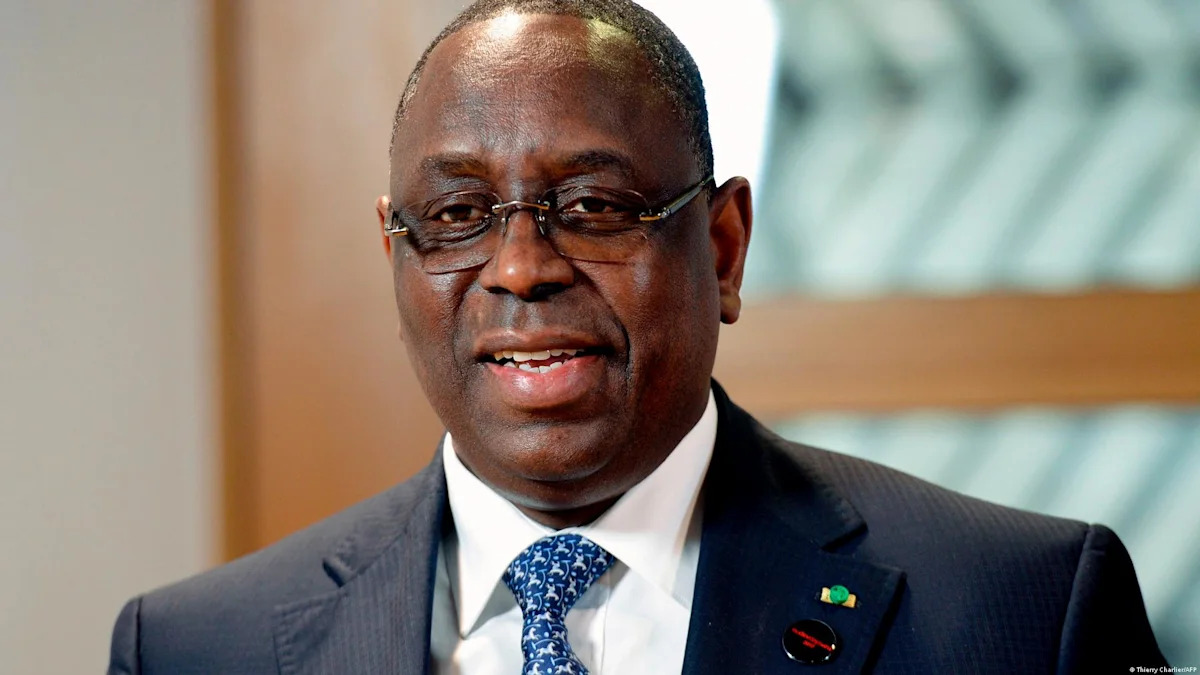
The upcoming meeting between Senegal’s President Bassirou Diomaye Faye and his predecessor, Macky Sall, has ignited fierce criticism from families of victims of political repression during Sall’s tenure. They argue the timing is deeply insensitive as they continue to demand justice and reparations.
What sparked this controversy, and how could this encounter shape Senegal’s political landscape? To explore these questions, political analyst Assane Samb shares his insights on the significance of the meeting within Senegal’s current context.
Analyst weighs in on the controversy
Assane Samb: While some voices oppose the meeting, it was an expected development.
The timing raises concerns about priorities. As Sall pursues his candidacy for United Nations Secretary-General, questions arise over the diplomatic backing he received from African nations, including Burundi and China, to smooth over past controversies.
Why does this meeting provoke such strong reactions, particularly from victim advocacy groups and civil society?
Context of political unrest
The tensions stem from the 2021–2024 period, marked by street clashes between protesters and security forces. What unfolded was a revolutionary momentum, with many demanding systemic change.
Accountability and justice
Critics, including human rights organizations like Amnesty International, attribute responsibility to the president as the guarantor of public safety and freedoms, including the right to protest. Is President Faye now facing a dilemma between fulfilling diplomatic obligations and addressing the justice demands of his political base?
During his time in the Pastef party, Faye hesitated to openly support Macky Sall. Now, freed from those constraints, he appears unapologetic about the meeting’s implications.
Political polarization risks
Beyond the victims’ plight, political calculations loom large. There are fears of a Sall resurgence fueled by strategic maneuvering, which could further polarize Senegal’s political arena.
Impact on national reconciliation
Internationally, the meeting may be well-received by African leaders. However, domestically, it risks deepening the divide in Senegal’s already polarized political climate.

Mariama Hamani
Journalist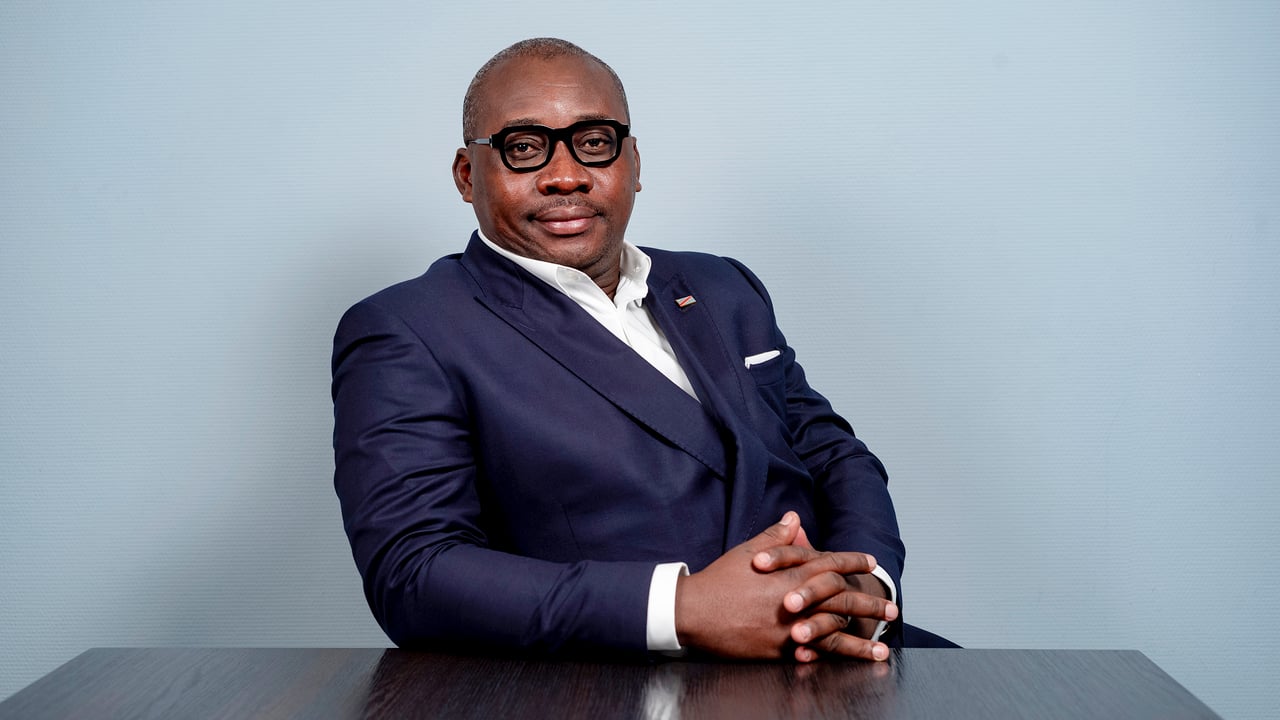
Boureima Amadou
- Politics
- October 23, 2026
- 9 views
DR Congo at a crossroads: constitutional turning point after 20 years
The constitution of the Democratic Republic of Congo has reached a defining moment after two decades, marking a pivotal shift in the nation’s legal and political landscape. Guy Loando Mboyo,…
- Politics
- October 22, 2026
- 15 views
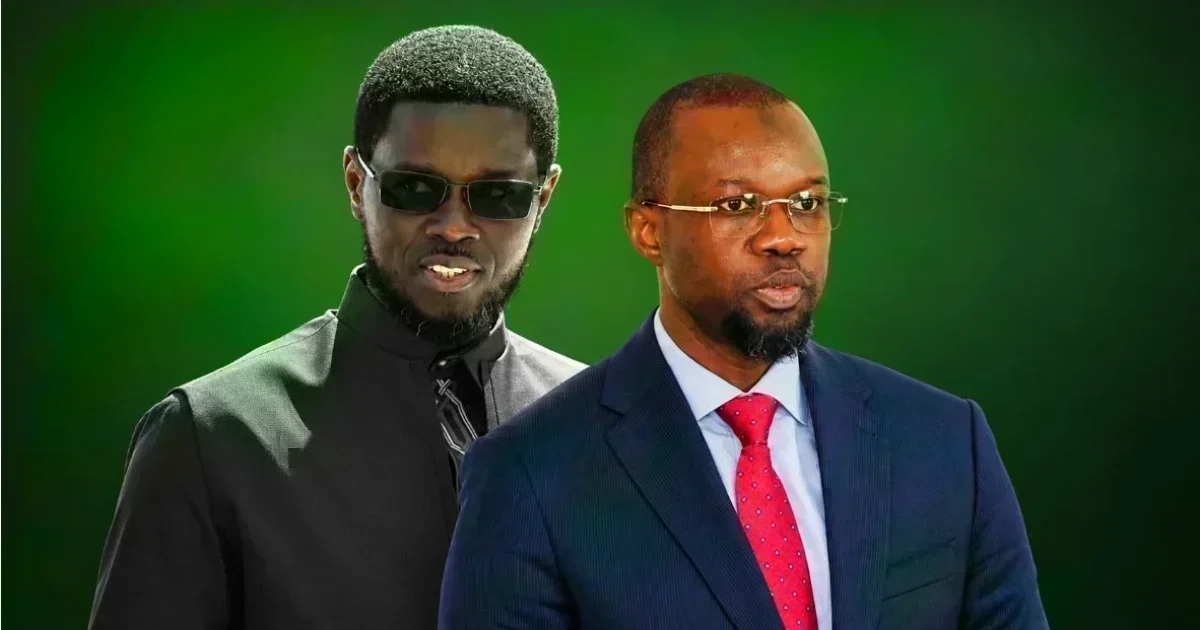
Senegal’s political rift: Sonko and Faye’s sharply contrasting moves spark backlash
Senegal’s political landscape is facing intense scrutiny as mounting contradictions between president Bassirou Diomaye Faye and opposition leader Ousmane Sonko come under sharp criticism. The shifting stances of both figures—once…