Boureima Amadou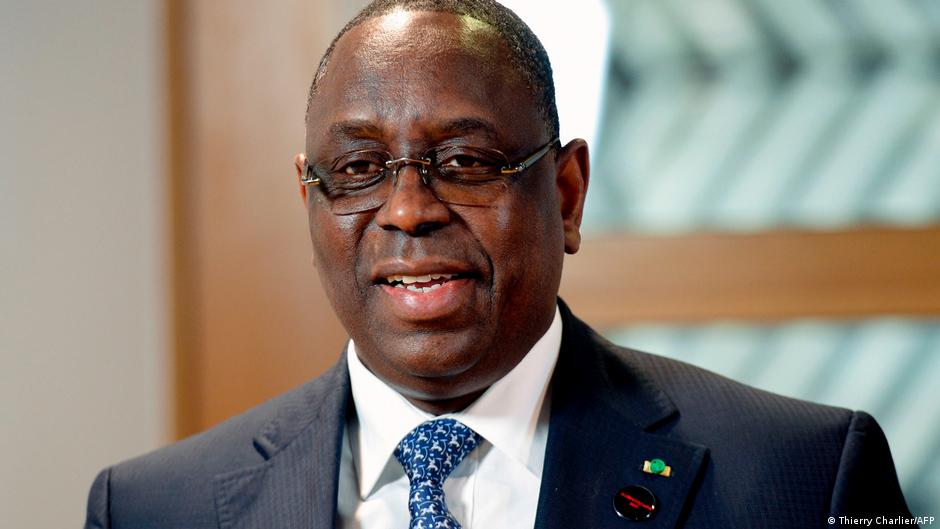
Pourquoi la rencontre Diomaye Faye/Macky Sall fait polémique
17 juillet 2026In Senegal, news of a planned meeting between current President Bassirou Diomaye Faye and his predecessor, Macky Sall, has ignited widespread indignation. Families of victims who suffered political repression during Sall’s time in office are particularly vocal, condemning the visit while they continue to await justice and reparations for their losses. This controversial encounter raises critical questions about political accountability and national reconciliation in Senegal.
What fuels this significant controversy? What potential repercussions might this meeting have on Senegal’s political landscape? To delve into these crucial questions, we turn to political analyst Assane Samb. He first offers insights into the broader meaning of this meeting within Senegal’s current political climate.
Insights from Assane Samb
Assane Samb describes the interaction as one that was largely anticipated, despite the vocal dissent from some quarters. He highlights the diplomatic implications, particularly given Macky Sall’s candidacy for the position of United Nations Secretary-General. Samb notes that it would be diplomatically untenable for Sall’s bid to be championed solely by other African nations, such as Burundi, without the backing of his home country. He also points to China’s significant role in this context, suggesting that these international pressures necessitated a softening of political stances between the two leaders.
DW: Why does this visit provoke such strong reactions, especially from victims’ associations and segments of civil society?
Samb attributes the fervor to specific events that unfolded between 2021 and 2024. During this period, Senegal witnessed intense street clashes between protesters and security forces. He characterizes this era as one marked by a strong popular demand for systemic change, a truly revolutionary dynamic that shaped public sentiment.
DW: Many organizations, including Amnesty International, hold the former President accountable, viewing him as the guarantor of public security and fundamental freedoms, including the right to protest. Mr. Samb, is President Faye currently facing a dilemma between the diplomatic imperatives of African governance and the justice demands from his political base?
Samb explains that when President Faye was an active member of Pastef, his former political party, he would have been hesitant to openly endorse Macky Sall. However, now that he holds the presidency and has, in a sense, ‘cut ties’ with his previous activist role, he no longer feels such constraint. This shift allows him to prioritize state diplomacy more freely.
DW: To what extent might Macky Sall’s bid for UN Secretary-General further polarize the political debate in Senegal?
Samb suggests that the political calculations extend beyond merely acknowledging the victims. The public’s apprehension regarding Macky Sall’s potential return to a prominent international role is largely driven by domestic political considerations, fueling fears and deepening divisions.
DW: What could be the effects of this meeting, both on the process of national reconciliation and on Senegal’s international image, particularly regarding African current affairs?
Internationally, Samb anticipates that the meeting will be broadly welcomed, especially by other African heads of state, who may see it as a gesture towards stability and reconciliation. Domestically, however, he foresees an intensification of the existing political bipolarization, further entrenching the divisions within the Senegalese political landscape.

 Mariama Hamani