Boureima Amadou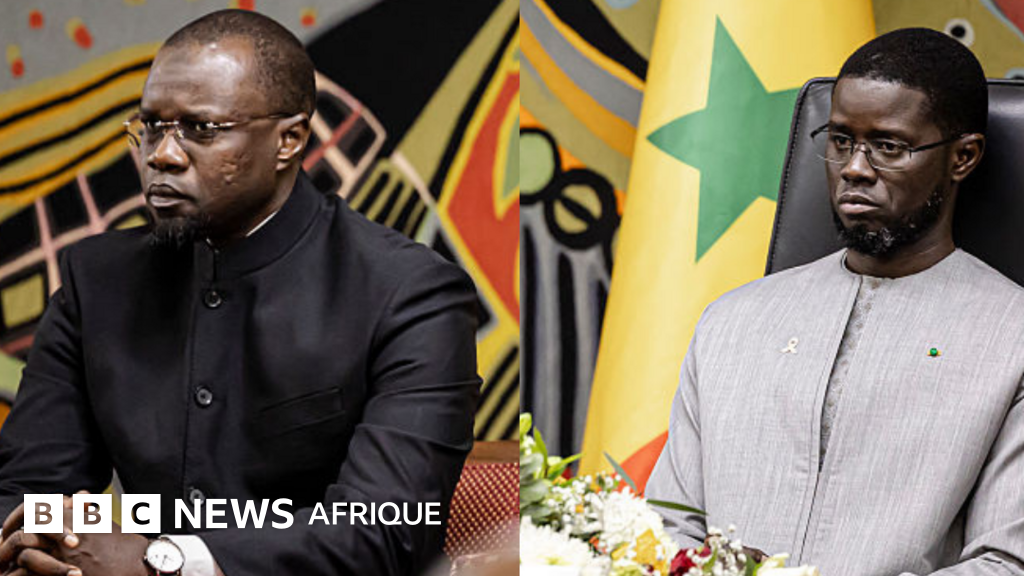
On May 22, 2026, President Bassirou Diomaye Faye made a decisive move by dismissing Prime Minister Ousmane Sonko, effectively ending the political partnership that had propelled both men to power in 2024 under the slogan « Diomaye mooy Sonko ».
The slogan, which once symbolized a near-total fusion of political wills, had long ceased to reflect reality. Its obsolescence became official with Decree No. 2026-1128, stripping Ousmane Sonko of his duties as Senegal’s Prime Minister.
This rupture marks the collapse of a carefully constructed political narrative that had promised a dual-headed governance blending Sonko’s charismatic populism with Faye’s institutional profile. The partnership, forged during the 2024 Senegalese political transition, had already shown signs of strain for months, particularly over governance, economic policy, and control of the PASTEF party.
the roots of a political duality
Political analyst Maurice Soudieck Dione had long anticipated this rupture. He highlights that the crisis stems from the unique circumstances of the 2024 presidential election, when Ousmane Sonko was barred from running due to legal troubles. Sonko then backed Bassirou Diomaye Faye’s candidacy, positioning himself as the political architect behind the president’s victory. However, this electoral equation soon transformed into an institutional contradiction.
« The Constitution of Senegal grants the President overwhelming executive authority, making the head of state the hierarchical superior of the Prime Minister, » explains Dione. Yet, Sonko’s popularity and influence within PASTEF created a dual power structure that proved unsustainable. The coexistence of a President with institutional legitimacy and a Prime Minister with strong popular and partisan backing was bound to generate tensions. »
Dione suggests that an alternative arrangement—such as Sonko presiding over the National Assembly while a technocratic Prime Minister handled daily governance—might have prevented the crisis. But this option was never pursued, making confrontation at the highest levels of the state almost inevitable.
ambitions and rivalries shaping 2029
Over time, the divergences between the two leaders became glaring, particularly in their contrasting stances on political, economic, and diplomatic issues. President Faye had already warned against the « personalization » of the party, a statement widely interpreted as a veiled critique of Sonko.
The underlying conflict stems from a fundamental contradiction in legitimacy: Faye derived his legitimacy from the presidential suffrage, while Sonko retained a significant share of the popular and militant legitimacy of the PASTEF project. This duality fueled a rivalry that extended beyond mere policy disagreements, intertwining with long-term political calculations ahead of the 2029 presidential election.
the fallout of a shattered alliance
According to Babacar Ndiaye, research director at the think tank WATHI, both leaders will emerge weakened from this split. The campaign slogan « Diomaye is Sonko and Sonko is Diomaye » had promised a united front, but its collapse risks disillusioning supporters who had placed their faith in the duo.
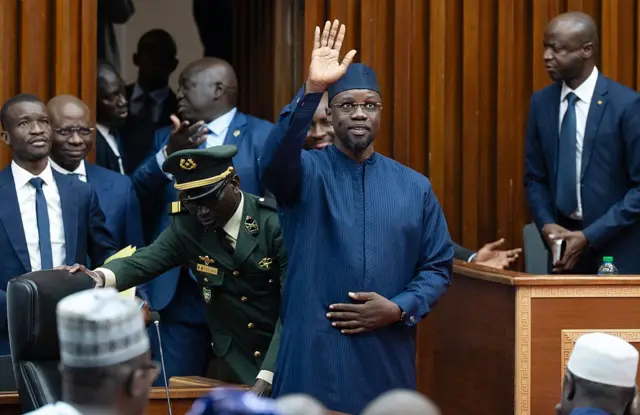
President Faye’s decision to dismiss Sonko signals a strategic choice: to reclaim full control of the executive branch and distance himself from his former mentor. However, this move carries significant risks. While Faye holds the institutional levers of power, Sonko retains a critical asset: the PASTEF party apparatus. As the leader of the party that secured a majority in the 2024 legislative elections, Sonko commands substantial influence in the National Assembly.
« By removing Sonko, President Faye risks facing a hostile PASTEF majority in Parliament, » warns Ndiaye. This could leave the president with a powerful institutional role but a politically isolated position, as all expectations and criticisms now converge directly on him.
confrontation or collaboration? the stakes ahead
The first political test could come swiftly with pending legislation in the National Assembly. Babacar Ndiaye warns that the dismissal of Sonko could lead to institutional gridlock. PASTEF, with its overwhelming majority of 130 out of 165 seats, holds significant sway, and any divergence between the presidential majority and the parliamentary majority could paralyze the government’s legislative agenda.
« The dismissal of Sonko could result in a situation where the government’s bills are blocked in Parliament, paving the way for a political crisis, » cautions Maurice Soudieck Dione. The president’s next move—appointing a new Prime Minister and forming a new government—will be closely scrutinized as a decisive political signal.
Dione also raises the possibility of an unprecedented scenario: an internal opposition within PASTEF itself. « We could witness a form of ‘opposition within PASTEF,’ » he notes. « Sonko led the party’s list in the legislative elections and secured a landslide victory. His influence within the party remains formidable. »
diomaye’s solitary path forward
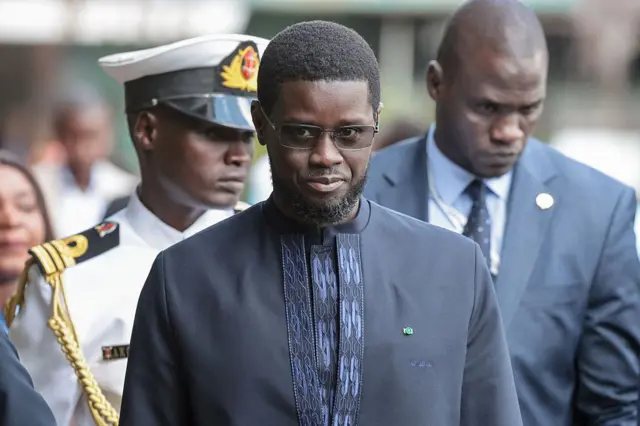
Since assuming office, Bassirou Diomaye Faye has benefited from a unique political balance: presidential legitimacy on one hand and Ousmane Sonko’s ability to mobilize the party’s base on the other. By dismissing Sonko, Faye loses a critical buffer that absorbed much of the criticism and maintained militant mobilization.
Now, all expectations and frustrations converge directly on the president. Faye must forge his own political identity, independent of Sonko’s shadow. While he can rely on the coalition that supported him in recent months, this alliance remains loosely structured, according to Babacar Ndiaye. « Faye’s coalition is not well-organized, and it lacks cohesion, » he notes.
The political calendar adds urgency to the situation. With local elections approaching and speculation about a potential dissolution of the National Assembly, Faye faces a precarious balancing act. A misstep could weaken his mandate long before 2029, particularly if legislative elections fail to secure a supportive parliamentary majority.
sonko’s next moves: from power to opposition?
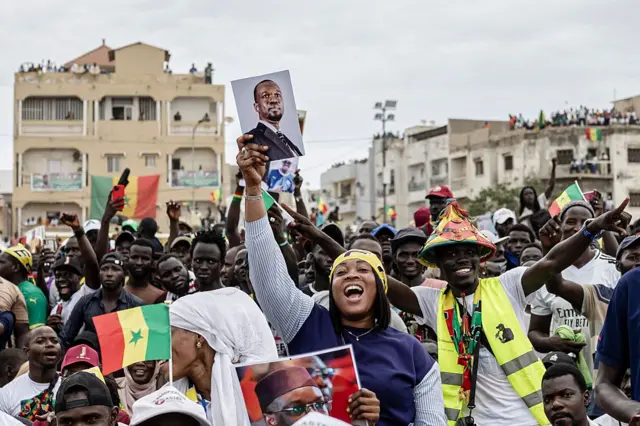
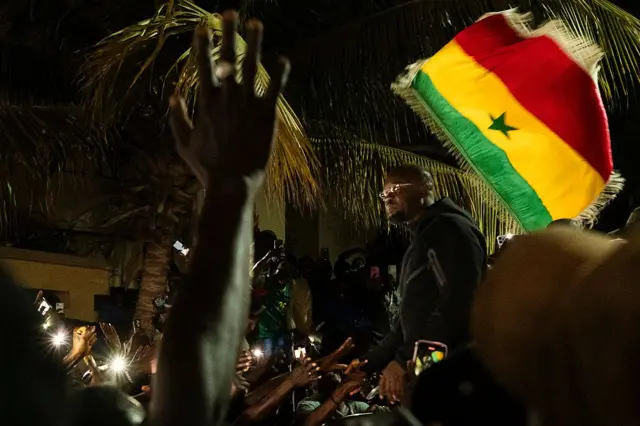
For Ousmane Sonko, the dismissal paradoxically offers a new phase of political freedom. No longer constrained by the demands of holding office, he can now reposition himself strategically. Several scenarios emerge: he could become an internal opposition figure within PASTEF, preparing for the 2029 presidential election, or even spearhead a complete political realignment that splits the party into two blocs—one institutional led by Faye and another populist-sovereignist led by Sonko himself.
« Sonko’s political posture remains strong, » observes Babacar Ndiaye. « As the leader of PASTEF and the architect of the party’s legislative victory, he holds significant influence. The question now is whether he can leverage this position to challenge Faye or carve out his own path. »
The coming months will be decisive. The president’s ability to govern alone, consolidate his coalition, and maintain a functional parliamentary majority will determine the stability of his mandate. Meanwhile, Sonko’s next steps could redefine the political landscape of Senegal, setting the stage for a high-stakes confrontation or a fragile collaboration in the years leading up to 2029.