Boureima Amadou
The stark dilemma facing young people in Togo
For countless young Togolese, the decision they face is nothing short of agonising: embark on a perilous journey abroad in pursuit of a meaningful life, or remain trapped in a country where their aspirations slowly wither away. This unrelenting choice has intensified scrutiny of President Faure Gnassingbé’s leadership, whose three-decade tenure is now widely condemned as the architect of a system that has extinguished hope among the nation’s youth.
Where earlier generations once dared to dream of building their futures within Togo’s borders, many of today’s young people view emigration not as an option, but as the only viable path to a dignified existence. This shift marks a profound rupture—not merely with institutions—but with the very notion that the state can foster an environment conducive to personal and professional fulfilment.
The illusion of progress and the stark reality of unemployment
Official narratives championing economic modernisation and ambitious reforms stand in stark contrast to the bleak reality of the labour market. While government figures tout low unemployment rates, these figures conceal a far grimmer truth: over 70% of young workers toil in precarious, informal employment, their skills going to waste in an economy unable to absorb them.
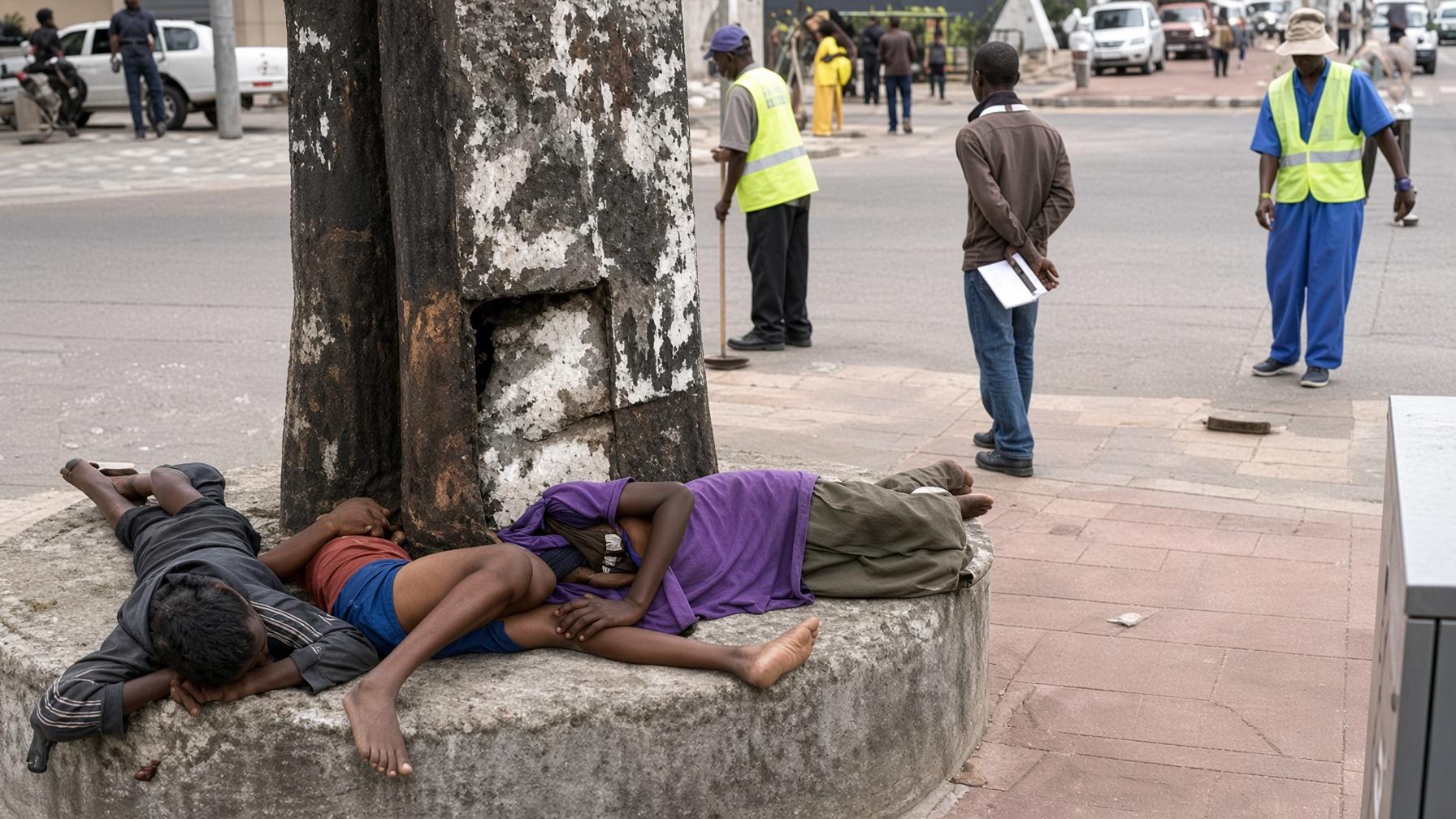
Each year, universities in Lomé and Kara churn out tens of thousands of graduates. Yet institutions like the National Employment Agency (ANPE) and the National Coalition for Youth Employment (CNEJ) offer little more than hollow promises. With no meaningful job opportunities, legions of educated young Togolese are reduced to eking out a living in the informal sector—driving moto-taxis (zémidjans), hawking goods on street corners, or juggling unstable gigs that render their degrees meaningless.
This wastage of human capital is staggering. Every graduate represents years of sacrifice by families and communities. When an engineer abandons their profession to become a street vendor or a law graduate resorts to petty trade, it is not merely individual dreams that collapse—it is the nation’s potential for innovation, productivity, and economic growth that is squandered.
The industrial landscape offers little reprieve. The creation of high-skilled jobs remains woefully inadequate, leaving graduates with no recourse but to accept positions far beneath their qualifications. An economy dominated by low-value-added sectors cannot sustain the aspirations of a well-educated youth, perpetuating cycles of underemployment and frustration.
A system stifled by cronyism and exclusion
The sense of injustice runs deep. Families invest heavily in education, believing merit alone will secure a brighter future for their children. Yet in Togo, merit has become a hollow concept.
Access to entrepreneurship and financing is riddled with obstacles. While initiatives such as the Youth Economic Initiatives Support Fund (FAIEJ) exist on paper, securing loans without substantial collateral or political connections is nearly impossible. Public contracts and lucrative opportunities remain concentrated in the hands of a select few affiliated with the ruling UNIR party. For the average young Togolese—devoid of influential networks—the doors to upward mobility remain firmly shut.
This belief that success hinges more on who you know than on what you know has eroded faith in the system. When hard work, dedication, and perseverance no longer guarantee progress, the social contract frays. Citizens lose trust not only in institutions but in the very idea that their efforts will ever be rewarded.
Even the private sector, a potential engine for job creation, operates under harsh constraints. Administrative hurdles, limited access to capital, stagnant purchasing power, and economic uncertainty deter investment and stifle recruitment, further shrinking opportunities for young professionals.
Emigration as the only recourse
With the prospect of success at home dwindling, emigration is no longer seen as a choice but as a necessity for survival. This exodus manifests in two alarming trends:
- Desperate bids for visas: Daily queues snake outside the French Embassy, Campus France offices, and immigration agencies in Canada and the Gulf states, as young people clamour for a lifeline to a better future.
- The haemorrhage of skilled professionals: Hospitals and technical sectors are haemorrhaging talent, with doctors, nurses, engineers, and IT specialists fleeing to countries where their skills are valued. The loss of these professionals cripples the nation’s ability to innovate, attract investment, and modernise its economy.
The irony is acute: Togo invests in educating its youth, only for the dividends to enrich foreign economies. Host nations reap the benefits of skills honed at the expense of Togolese families, while the country itself is left depleted of the very talent it desperately needs to drive progress.
Political stagnation: the death knell for youth aspirations
The economic despair is compounded by a crisis of political confidence. For many young people, the nation’s struggles are a direct consequence of a political system frozen in time.
The controversial adoption of the Fifth Republic Constitution in 2024, which transformed the country into a parliamentary regime, has shattered lingering hopes for change. Viewed as a legal manoeuvre to indefinitely extend Faure Gnassingbé’s grip on power—under the new title of President of the Council of Ministers—the reform has convinced youth that democratic renewal is a distant fantasy. With no genuine political competition, no independent judiciary, and no credible path to leadership for new generations, the state offers no credible alternative to emigration.
For many, the problem transcends economics. Without robust institutions, the rule of law, and fair political competition, even well-intentioned economic reforms are doomed to fail. The conclusion is inescapable: the future lies beyond Togo’s borders, not within them.
This disillusionment has bred a crisis of civic engagement. Increasingly, young people shun political parties, civic associations, and public initiatives, convinced their voices carry no weight. This withdrawal weakens democracy and denies the nation the dynamism of an entire generation.
Can a nation thrive without its youth?
Critics argue that President Gnassingbé’s nearly two decades in power have failed to cultivate an inclusive economic model capable of meeting the aspirations of a swelling youth population. Instead, they contend, wealth continues to concentrate in the hands of a privileged few, while the majority grapple with precarity or contemplate exile.
History demonstrates that no nation can sustain long-term prosperity if its brightest minds view departure as their only hope. Countries that thrive are those that retain talent, foster innovation, ensure equal opportunities, and cultivate trust between citizens and their leaders.The question facing Togo today is stark: how can a nation progress when its most ambitious, educated, and dynamic youth see no future within its borders? Without decisive action to address unemployment, governance failures, corruption, and the stifling business climate, the country will continue to haemorrhage its lifeblood—leaving behind a hollowed-out economy and a generation that has given up on ever being part of its own nation’s rise.