Boureima Amadou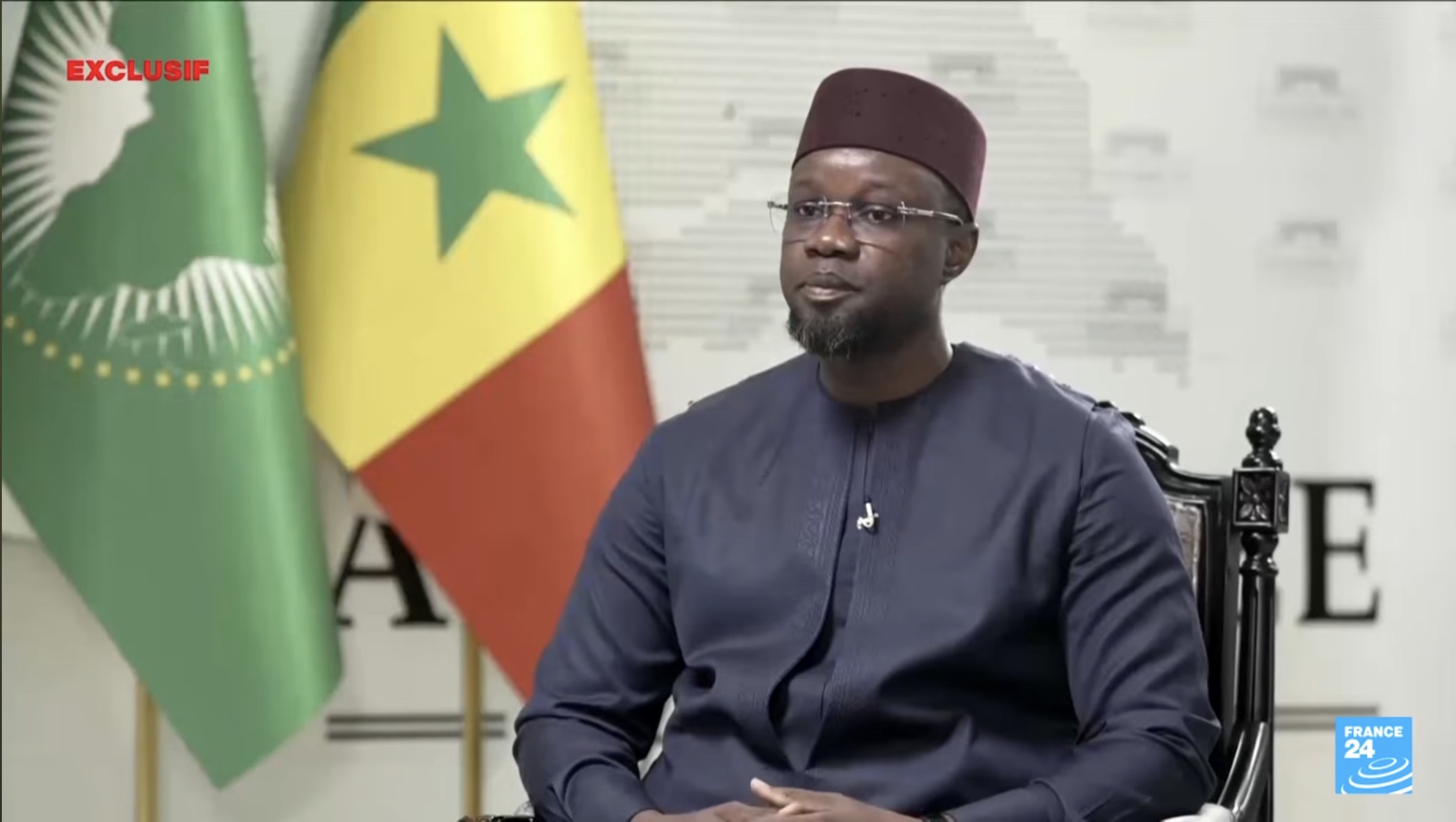
Amid growing scrutiny of public finances, Ousmane Sonko, President of Senegal’s National Assembly, has reignited discussions around the nation’s debt burden, questioning whether certain obligations inherited from the previous administration could qualify as ‘odious debt’.
In a candid exchange, Sonko emphasized the new government’s commitment to transparency in financial reporting, both for citizens and international partners. This approach, he argued, is essential for establishing a credible and sustainable economic governance framework.
‘We have chosen to start from a clean slate,’ he stated, warning that concealing fiscal realities could have further destabilized Senegal’s economy. While acknowledging the sovereign duty of honoring financial commitments, he called for a thorough reassessment of debts contracted under questionable circumstances, urging an international dialogue on the classification and treatment of so-called ‘odious debt’.
Legal ambiguity meets political urgency
The concept of ‘odious debt’, rooted in international law, typically refers to loans obtained without benefit to the population or under coercive conditions. However, its precise legal application remains a subject of contention, even among global institutions.
Reflecting on his tenure as Prime Minister, Sonko admitted that institutional constraints at the time limited his ability to fully pursue this line of inquiry. Nonetheless, he underscored his alignment with President Bassirou Diomaye Faye on public finance management, reinforcing a shared vision for fiscal responsibility.
Balancing reform with financial stability
The political leader firmly rejected proposals for abrupt debt restructuring, stressing the importance of maintaining Senegal’s financial credibility—particularly with partners like the International Monetary Fund (IMF). Instead, he advocated for a balanced strategy that merges fiscal discipline with economic sovereignty, while advancing structural reforms critical to the country’s long-term growth.
With global economic uncertainties and geopolitical tensions intensifying, the sustainability of Senegal’s public debt has emerged as a defining economic challenge, demanding both prudence and bold policy decisions.