Mariama Hamani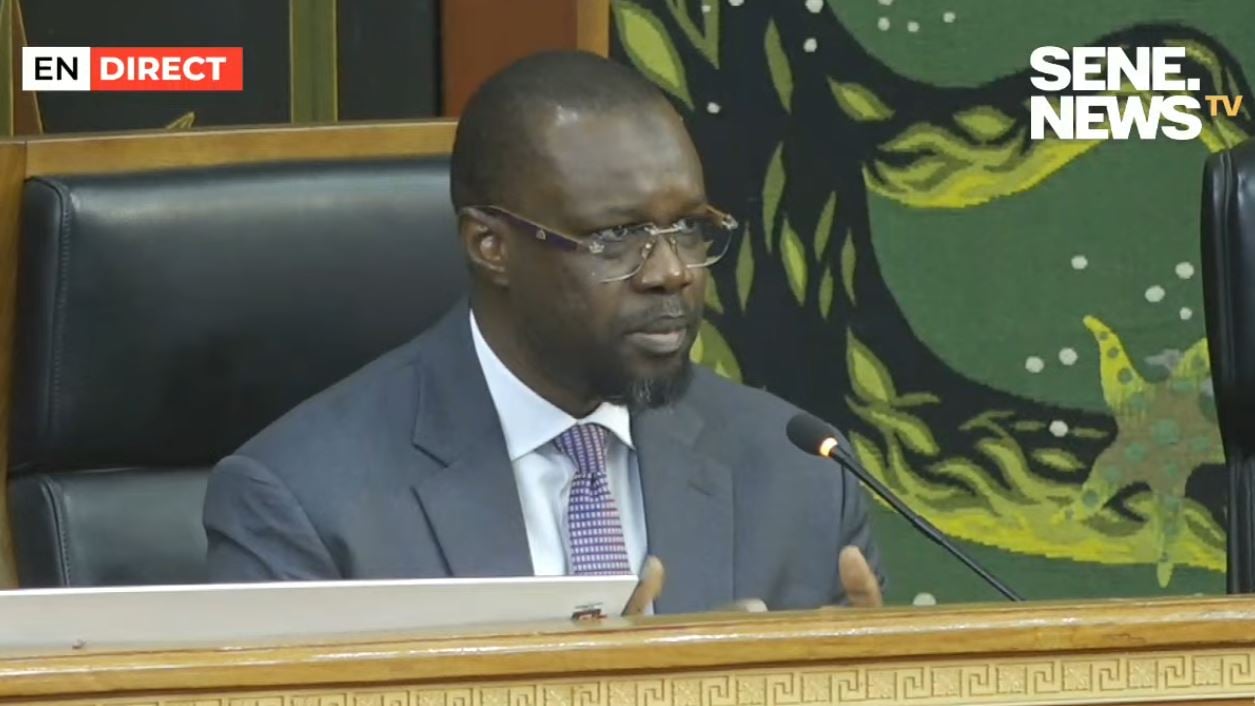
Senegal’s political landscape shifts as Ousmane Sonko addresses his separation from Bassirou Diomaye Faye
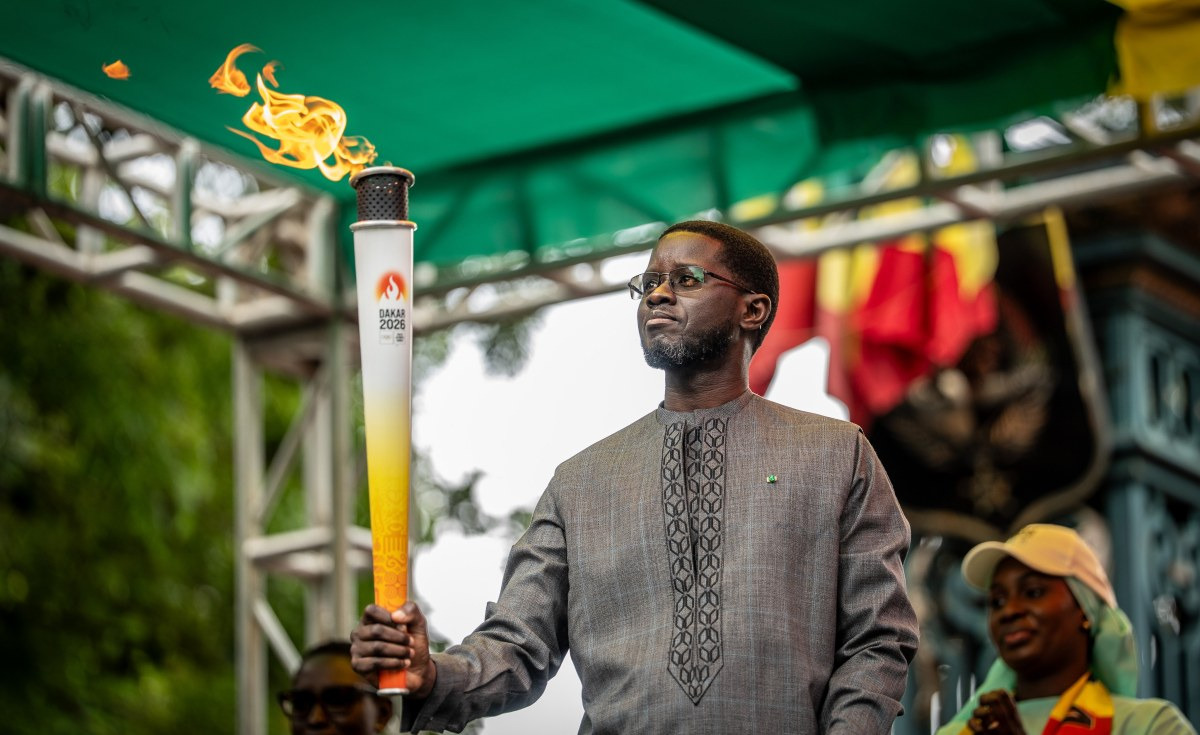
Freshly elected as Senegal’s National Assembly President, Ousmane Sonko has shed light on the philosophical underpinnings of his political estrangement from President Bassirou Diomaye Faye. The former Prime Minister frames the split as a fundamental debate on governance, morality, and the very essence of the Republic.
Beyond political rivalries: a clash of visions at the heart of Senegal
In a move that has reshaped Senegal’s political narrative, Ousmane Sonko delivered a speech that transcended personal disputes. Just days after his removal from the Prime Minister’s office and his subsequent election to the Assembly’s top position, Sonko positioned the debate where he believes it belongs: not in the arena of power struggles, but in the realm of purpose.
With a discourse rich in philosophical and historical references, Sonko dismantled the notion that recent tensions were merely a clash of personalities. « The stakes are far greater than individual ambitions. At the heart of this divide lies the relationship between ethics and politics, » he asserted, setting the tone for a discourse centered on accountability and national values.
Aristotle, Mamadou Dia, and the pillars of good governance
Drawing from the teachings of Aristotle, Sonko reaffirmed his conviction that politics, when practiced with integrity, is « the highest art »—one dedicated to the common good. He warned that no nation can endure when its leaders abandon virtue for personal gain. To illustrate his point, Sonko invoked the legacy of Mamadou Dia, Senegal’s first Prime Minister, who decades ago cautioned against conflating state authority with private interests.
« A nation may boast a flag, a national anthem, and institutions, yet remain enslaved by practices that strip the Republic of its meaning, » Sonko remarked. His words underscored a broader concern: the erosion of public ethics threatens the very foundations of African states.
The moral fatigue threatening Senegal’s future
Sonko extended his analysis to the contemporary political crises gripping the continent. He posited that nations do not crumble solely from material poverty, but from « moral exhaustion. » When institutions shift from serving the people to serving the interests of a few, the spirit of the Republic weakens. While avoiding direct accusations, Sonko implied that his break with the President stemmed from a fundamental disagreement over governance ethics and the principles governing power.
His address signals a pivotal moment in Senegal’s political evolution, where the debate over leadership is no longer confined to policy or performance, but to the moral compass guiding those in charge.


 Boureima Amadou