Boureima Amadou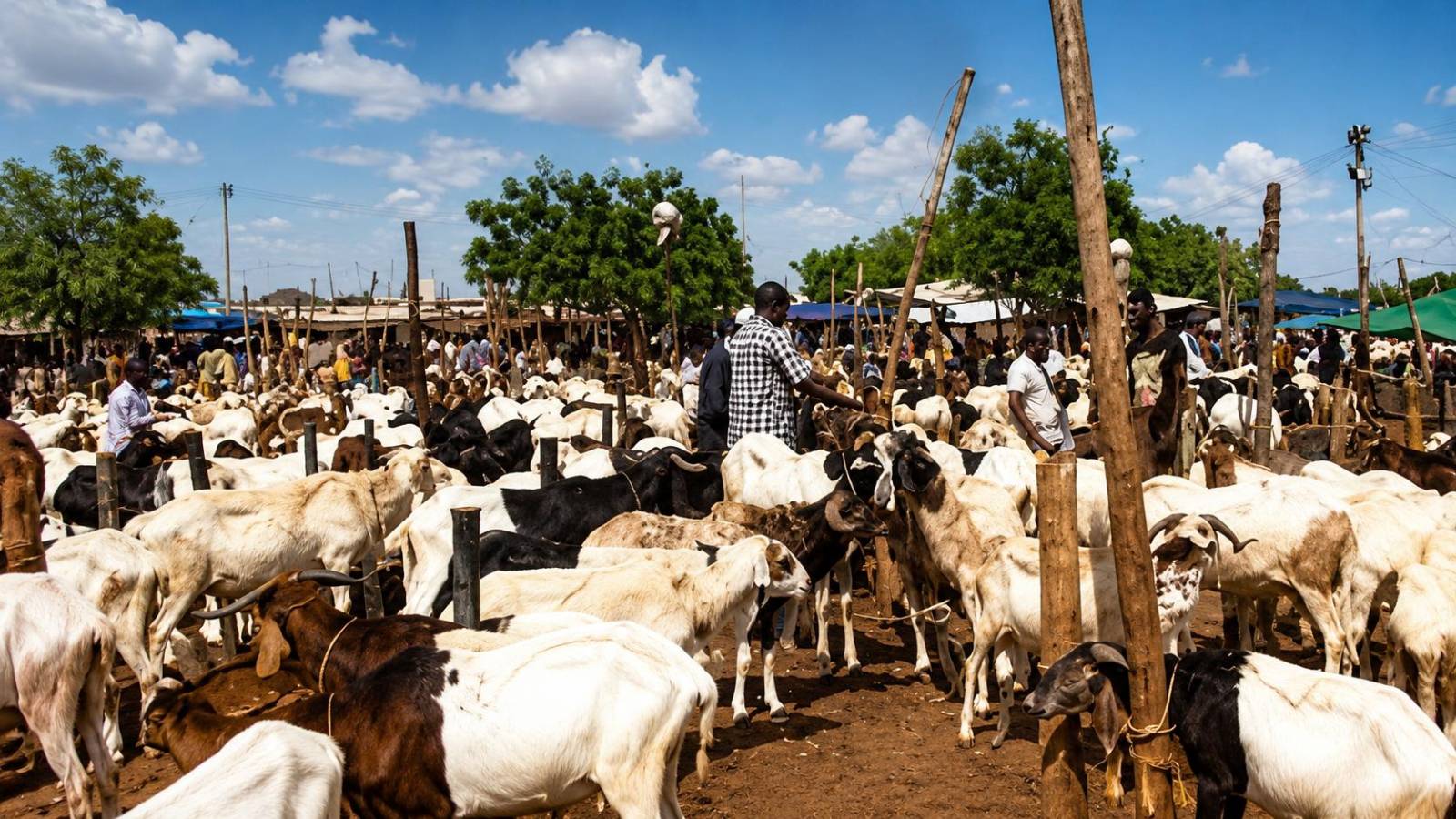
The Burkinabè government has played a high-stakes political card by banning livestock exports ahead of Tabaski, prioritizing urban consumers over regional market dynamics. While the move aims to ease local price pressures, it carries deep contradictions and economic dangers that could backfire spectacularly.
Urban relief, rural ruin: the contradiction in Burkina Faso’s livestock ban
The primary contradiction lies in who benefits and who suffers. By clamping down on exports, Ouagadougou seeks to drive down sheep prices for urban shoppers—salaried workers, households in Ouagadougou, and others preparing for the festival. Yet the burden falls squarely on rural herders, already reeling from insecurity, cattle theft, and shrinking grazing lands due to the ongoing security crisis. Depriving them of lucrative markets in Côte d’Ivoire and Bénin slashes their income at the worst possible moment, effectively subsidizing urban celebrations with rural hardship.
Can Burkina Faso absorb the surplus? the limits of domestic consumption
The rationale behind the blockade is simple: flood the domestic market and keep prices low. But Burkina Faso’s internal market has severe constraints. Tabaski is a one-time event, and once the festivities conclude, what happens to the leftover animals? Livestock is a living inventory—each day of feeding adds cost. If herders fail to find buyers or are forced to sell at a loss, the entire sector could face financial collapse within months. While the government’s push to modernize abattoirs and boost local processing is a forward-looking strategy, current infrastructure cannot handle such a sudden surge in volume. The gap between ambition and reality risks suffocating the industry.
A high-risk geopolitical gamble with neighbors
This decision signals Burkina Faso’s willingness to sacrifice regional economic solidarity for immediate national priorities. By halting cattle flows to Côte d’Ivoire and Bénin, Ouagadougou wields its livestock like an economic cudgel. Yet trade is a two-way street. When Burkina Faso shuts its borders, it pushes partners to seek alternatives—Côte d’Ivoire, for instance, is already turning to Mauritania to fill the gap. Over time, the risk is real: Burkina Faso may permanently lose long-standing trade ties that are vital to its herders and economy. This move also exposes the fragility of regional integration, where short-term self-sufficiency goals override long-standing West African trade agreements. On the macroeconomic front, it’s a reckless bet—one that threatens herder livelihoods, jeopardizes the future of the livestock sector, and risks isolating Burkina Faso from its natural economic partners.