Boureima Amadou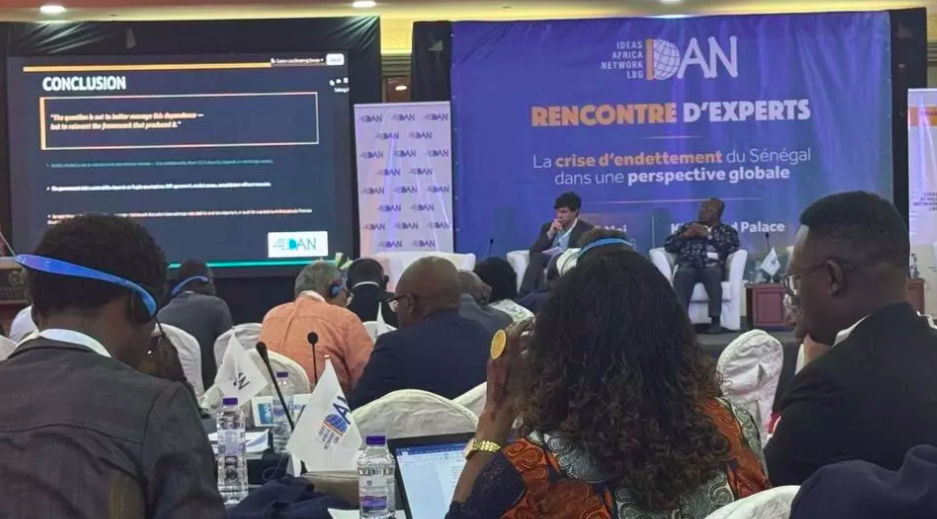
As Senegal’s debt crisis deepens, economists in Dakar have urged a strategic shift in the country’s financing approach. During a high-level conference on Wednesday, experts highlighted the urgent need to reduce reliance on traditional multilateral institutions and explore alternative funding sources to stabilize the nation’s financial health.
With the public debt ratio soaring to 132% of GDP—a figure disputed by former President Macky Sall—the current administration is pushing for greater transparency. Unearthed financial commitments from 2019 to 2024 remain undisclosed, further fueling concerns over fiscal mismanagement.
The proposed solution? A comprehensive debt audit and a pivot toward partnerships with lenders who prioritize national sovereignty over stringent conditionalities. Demba Moussa Dembélé, president of the Africa Research and Cooperation for Endogenous Development, pointed to China as a potential ally in breaking free from what he termed the “neocolonial debt trap.”
Expanding Creditor Networks: Lessons from Turkey and Beyond
Ali Zafar, an economic advisor at the United Nations Development Programme (UNDP), suggested Senegal follow Turkey’s lead by diversifying its creditor base. “Turkey turned to Saudi Arabia—why can’t Senegal explore similar bilateral agreements?” he argued. Zafar emphasized that the International Monetary Fund (IMF) is not the sole source of financing, urging Dakar to engage proactively with emerging economies like China to leverage their debt management expertise.
Negotiations with the IMF must prioritize social sectors such as education and healthcare, Zafar stressed. He criticized the Fund’s rigid austerity measures, warning that funneling all revenue toward debt repayment could cripple essential public services. “African nations must challenge these imposed rules,” he said, advocating for a united front in renegotiating terms.
Sovereignty-Centric Financial Reforms
Beyond audits and alternative partnerships, Zafar proposed a radical step: establishing an independent central bank to regain monetary control. “Would any Asian nation tolerate Senegal’s current predicament?” he questioned, asserting that African countries possess viable sovereign solutions to escape the debt cycle without IMF intervention.
Senegalese officials, including Alioune Diouf, Director of Debt at the Ministry of Finance and Budget, recently met with IMF leaders in Washington to discuss ongoing negotiations. While the talks continue, the debate over debt sustainability and fiscal autonomy grows louder.